So, you’ve read my Day Old Chicks vs Point Of Lay breakdown. You’ve seen the reasons. And now you’ve decided to go with Point Of Lay Chicken.
Great choice.
However, buying point of lay chickens is not as simple as showing up and paying. If you rush that step, you can lose money before your birds even lay their first egg.
Because of that, you need a system.
In this post, I will show you exactly how to choose point of lay chickens using a simple 7-point checklist. These are the things that protect your money and set your farm up to win.
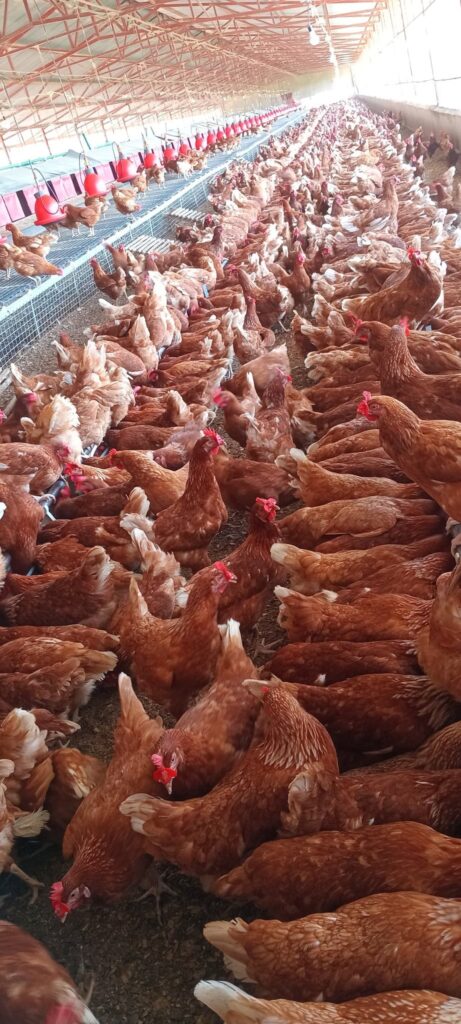
1. The Seller
First, look at the person selling the birds.
This is not optional. In fact, ignore this at your own risk.
You are not just buying chickens. You are doing business with a human being. And not every person deserves your money.
So ask yourself:
– Is this seller trustworthy?
– Does he keep his word?
– Would you buy from him again?
On the other hand, some people have a history. They lie. They cheat. They change stories. Many farmers lose money this way, not by bad luck, but by bad people.
Because of that, do your due diligence.
People do business with people they like and trust. Therefore, if something feels off, walk away. Another seller will always exist.
2. Health Of The Birds
Next, check the health of the chickens.
Healthy birds make money. Sick birds kill farms.
As soon as you arrive at the farm, start observing. Use all your five senses. This is one of the fastest ways to understand what you are dealing with.
But here I’ll show you how to use three.
First Listen.
Are the birds making sound? A healthy flock is active and noisy. Weak birds are often quiet.
Then Look, carefully.
Check how they move. Watch how they eat. Observe how they scratch and peck. Also look at their feathers, their eyes, and even their droppings.
After that, touch them.
Feel the feathers. Check the comb. Notice the body condition. A good bird should feel strong, not weak or light.
Finally, weigh a sample.
You do not need to weigh all birds. Still, take a reasonable sample size. Weight helps you estimate age and feeding quality.
Because of this, health and weight work together. If both are off, that is a red flag.
3. Vaccination Record
Now, ask for the vaccination record.
Many farmers ignore this step. Others do not even know they should ask.
But vaccination is not optional. It is critical for survival.
Most sellers will tell you their birds are vaccinated. Do not trust words. Ask for proof.
You need to see the actual record.
If it is not documented, it was not done.
In medical school, we follow a simple rule: if you did not write it, you did not do it to the patient.
The same logic applies here.
So, check the document. Confirm the dates. Make sure it makes sense.
If the seller cannot provide it, assume the birds are not vaccinated.
Therefore, unless you want future problems, walk away.
4. Breed
Next, confirm the breed.
This is very important.
There are real cases where farmers buy birds thinking they are commercial layers. Months later, production stays below 50%.
Why?
Because they bought improved chickens instead of hybrid layers.
Breed determines productivity.
No matter how well you feed a local or improved bird, it will not perform like a hybrid layer. It was not designed for that.
Because of this, verify what you are buying.
If possible, carry an expert. Alternatively, learn basic breed identification yourself.
5. Sex Of The Birds
Then check the sex.
It sounds obvious, but mistakes happen.
Imagine buying 1,000 point of lay chickens. You prepare your farm. You wait for eggs. Then one day, your neighbour visits your farm and tells you you have nice cocks.
Yes, it happens.
And it is costly.
Because of that, confirm the birds are female.
Learn how to identify them. If you are not confident, bring someone who is.
This step alone can save your entire investment.
6. Age Of The Chicken
Next, confirm the age.
Age affects both price and production timing.
Point of lay chickens should be close to laying. If they are too young, you will spend more time feeding them before seeing returns.
One way to estimate age is through weight. That gives you a rough idea.
However, do not rely on guesswork alone.
Ask for proof.
Request documents showing when the birds were purchased or delivered. This can be invoices, records, or even dated photos.
Because of that, combine your observation with evidence.
Never depend on assumptions.
7. Price
Finally, comes the price.
Business must make sense for both sides.
The seller wants profit. You also need profit. That means the deal must be a win-win.
Because of that, go prepared.
Know your numbers before you arrive. Understand the maximum price you can pay and still make money during the laying cycle.
Do not guess. Do not hope. Calculate.
While negotiating, be fair.
Do not pressure the seller too much. Sometimes people are selling because they are struggling. Do not exploit that.
At the same time, do not get pressured.
Some sellers will justify very high prices with long stories. Stay calm. Stick to your numbers.
If the price does not work, walk away.
So now you know how to choose point of lay chickens the right way.
This system protects your money.
With this checklist, you are not guessing anymore. You are making a decision like a serious farmer.
And that is how profitable farms are built.
One Last Thing
Buying POL does not mean you should ignore brooding.
Every poultry farmer must understand brooding. Things change. Plans fail. Sometimes you will need to start with day-old chicks.
So be prepared.
If you want to learn how to brood chicks like a pro, I created this Free Brooding Guide for you.
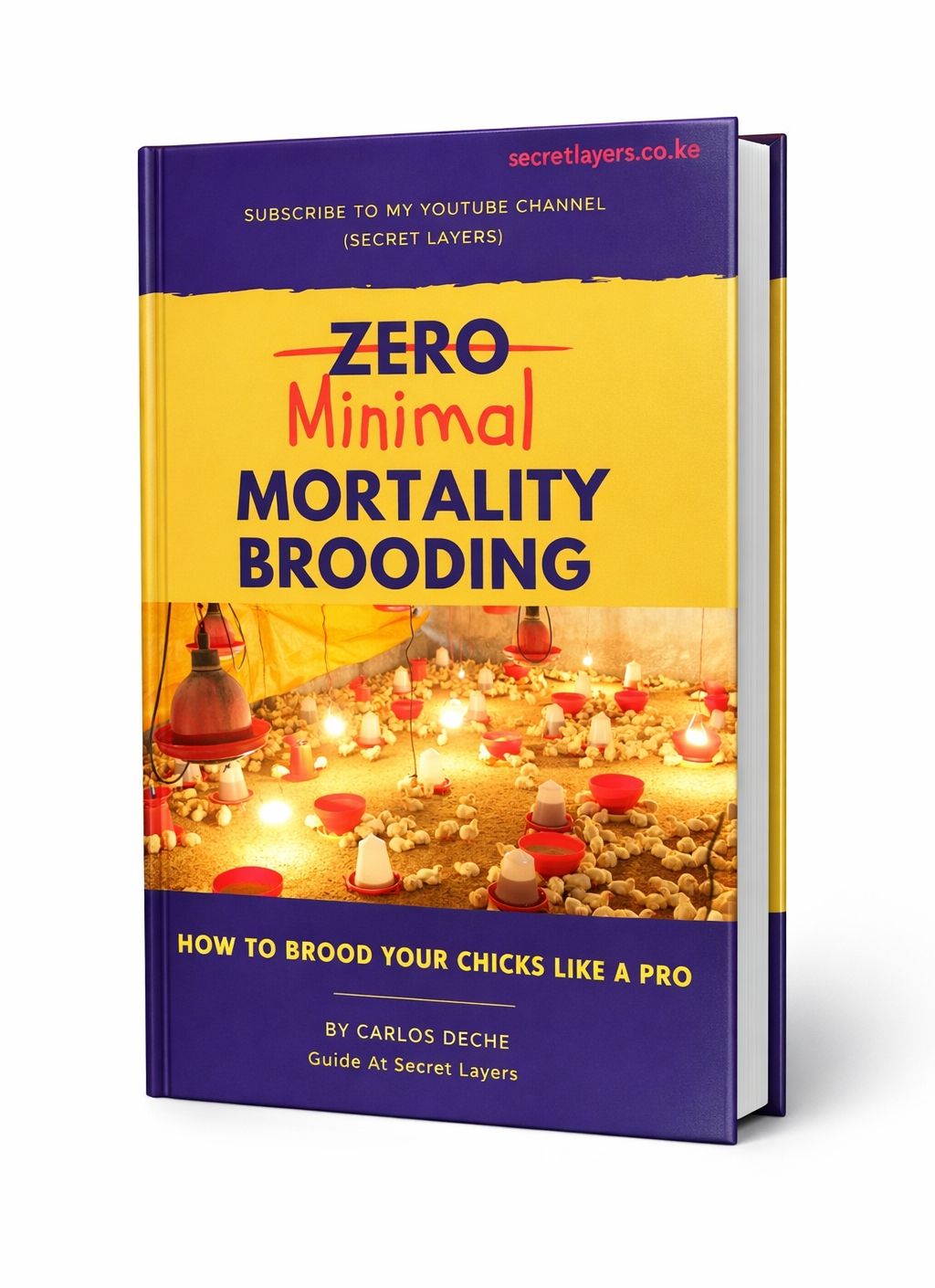
Get your copy. Study it. Use it.
See you next Friday!
Leave a Reply