Once, Buddha was trying to teach his students a lesson.
So, he sat them under a tree and asked them a question.
“If I shoot you with an arrow, would it hurt?”
“Yes,” the students said in unison.
Then, he asked another question.
“If I shoot you again with a second arrow at the same spot, would it hurt?”
This time, the students looked shocked.
“Of course it would,” they replied.
At this point, Buddha cleared his throat and continued.
“In life, we are usually hit with two arrows.”
First, there is the arrow of life. This includes suffering, loss, disease, and disappointment. All these things are painful. However, most of them are not under our control.
Then comes the second arrow. This is how we respond to the first one. For example, it is the self-criticism, the overthinking, and the doubt.
In addition, it is the constant questioning and denial.
As a result, this second arrow becomes even more painful.
But here is the most important part. The second arrow is totally under your control.
Therefore, how you react to problems determines your level of suffering. As it is often said, pain is inevitable, but suffering is optional.
Now, What Does This Have To Do With Farming?
I believe you cannot become a successful farmer before you master yourself.
You see, life as a farmer will hit you from all sides.
Anything that can go wrong on your farm will go wrong.
At the same time, life will also keep happening.
You will get sick. Your family and friends will get sick. You might lose your job. You will even get into disagreements.
So, what really matters is not whether these things happen.
Instead, it is how you respond to them. Spending all your time focusing on problems will not help you.
However, acknowledging what happened and focusing on solutions will.
That is what separates you from other farmers.
In fact, as Alex Hormozi and Leila Hormozi often say: “F**k your mood. Follow the plan.”
That is the mindset you need to have.
By the way, if you have been struggling with early chick deaths within the first one month, I created something for you.
Get this Free Brooding Guide, and I will also send you a bonus Layer Poultry Farming Guide.
Some lessons hit you in ways you never forget—this one came from chickens.
When I was growing up, I spent a lot of time around poultry farms. One morning, my dad decided to take us to see how different types of chicken farms operate.
We arrived at the broiler farm just as the sun was rising. The air was thick with the smell of feed and the soft hum of ventilation fans. Workers moved quickly, carrying the chickens from their pens toward the processing area. The birds scattered and squawked, jostling against one another. You could almost feel their fear—they knew what was coming. My dad led us aside before we saw anything more, but the lesson was already clear: these birds were being raised for a single, final payoff. Everything on the farm was geared toward one moment—the sale.
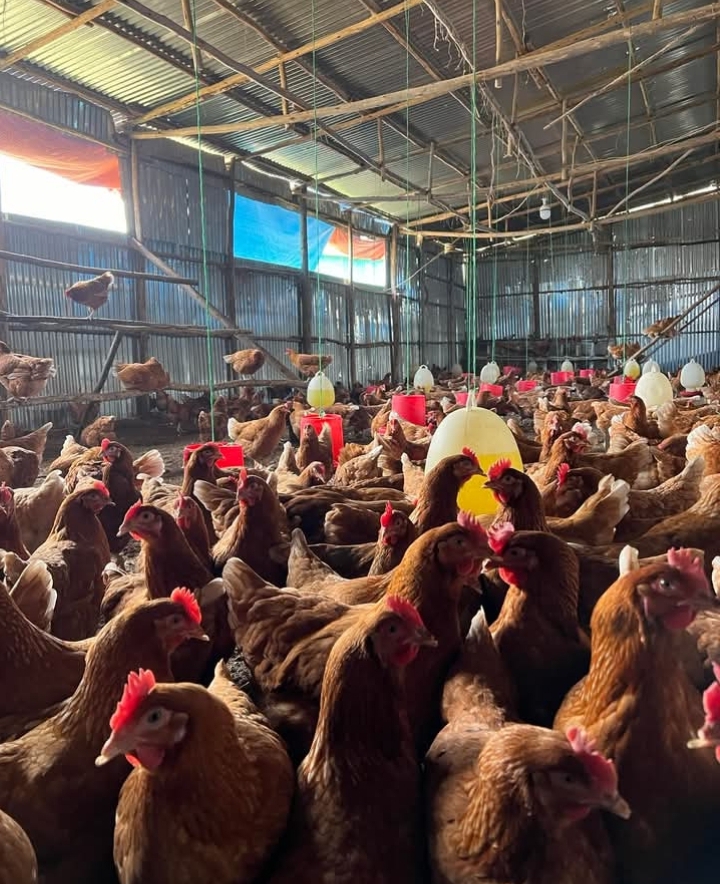
A few days later, my dad took us to a layer farm. The difference hit me immediately. The hens moved calmly, pecking at the feed, scratching the ground, and laying eggs day after day. The barn was quieter, the atmosphere almost peaceful. The farmer collected the eggs as they came, creating a steady, predictable flow of income. Unlike the broiler farm, success here didn’t depend on selling the birds—it depended on the output they produced consistently.
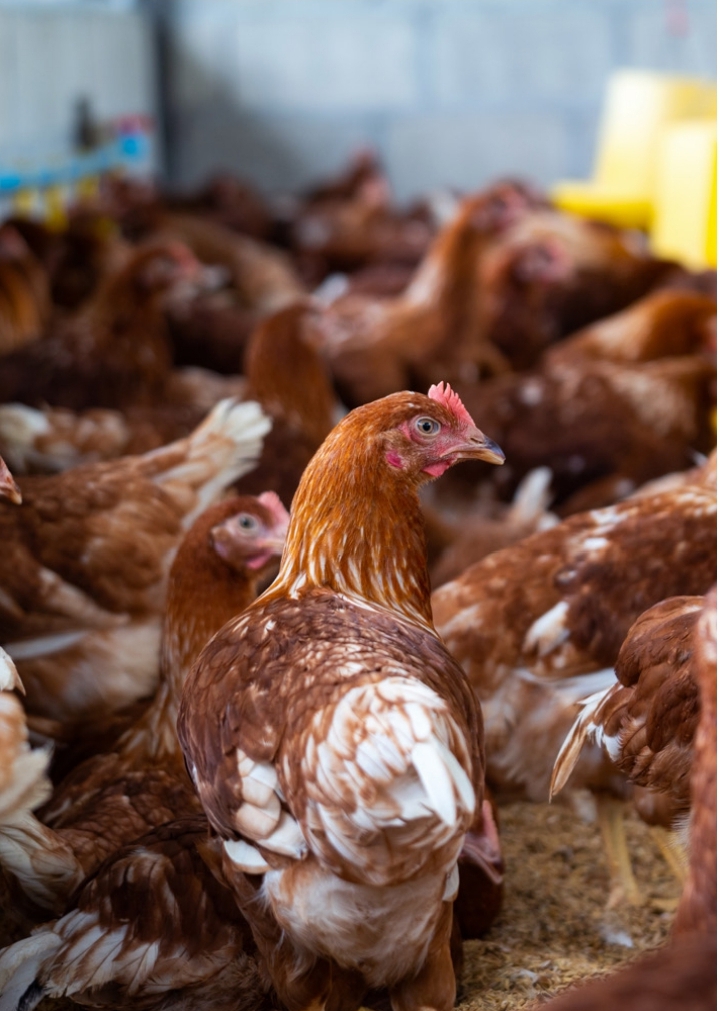
Layer Chicken in a poultry house.
My dad stopped and looked at me. “See the difference?” he asked. Both farms own valuable assets—the chickens—but they treat them in completely different ways.
The broiler farmer is like an investor chasing capital gains: the money comes only at the end, when the asset is sold.
The layer farmer is like an investor chasing cash flow: the asset produces money day after day, steadily and reliably.
Most people invest like broiler farmers—they wait for a single big payout and call it risky. The wiser approach is to think like the layer farmer and be the layer farmer: focus on cash flow, let your assets work for you every day, and build wealth steadily.
This is a fictional story inspired by the story of the cattle rancher and dairy farmer in Robert Kiyosaki’s book : Who Took My Money? Why Slow Investors Lose And Fast Money Wins.
Niss had just sold off her first batch of ex-layers. It had been a successful run — her birds maintained an impressive 80% laying rate the entire period. For a first-time farmer, that was nothing short of amazing.
Now, she was taking a one-month break before bringing in her next batch. The chicken house needed time to dry after disinfection — an essential step to prevent disease transmission to new chicks.
But that also meant no income for a whole month.
She didn’t have enough savings to build another chicken house. And for a moment, she wondered, What will I do now?
Voices In The Dark
That night, around midnight, Niss was woken by faint voices outside her house. A woman’s voice. It sounded like she was talking to herself. “Is that the village witch?” Niss thought, half terrified.
She sprang out of bed and crept toward the door. As she reached the hallway, the voices grew louder — but now there were two people.
Her heart pounded hard, pumping litres of blood to her legs, ready to sprint for her still-short dear life.
Then it hit her. Wait. That’s coming from my daughters’ room.
She froze. Are they—? She didn’t want to finish that thought.
Listening closer, she realized the voices were indeed her two daughters.
When she asked why they were awake at midnight, their answer confused her even more. Something about a “masterclass” and “techniques” and “digital something.”
Niss didn’t get it — not that night. She went back to bed, uneasy but curious.
The Morning Revelation
By morning, after another round of questioning, she finally understood: Her daughters had been attending an online masterclass on professional knitting.
That surprised her — but it also sparked a thought. What if I did the same?
What if she taught others what she already knew so well — layer poultry farming?
She had seen people online making money teaching what they knew. Some even lived lavishly — nice cars, big houses, flashy lifestyles.
Before she could dream too far, her daughters interrupted her thoughts. > “Mama, stop there,” they said. “That internet life is a lie. But you can make money from YouTube — not to buy a sports car, but enough to cover slow months like this.”
That was all Niss needed to hear.
“Then show me how,” she said eagerly. “I want to start right now!”
Her daughters laughed.
> “Chill, Mama. Take it slow. Remember how you prepared before starting your layer farm? That’s what you need to do for this too.”
They were right.
Before she started her poultry business, Niss had done months of research — visiting farms, asking questions, taking notes. Skipping that process now would be against her own rules.
She had to learn again — this time, about content creation and online education.
The Turning Point
That morning, Niss made up her mind. She would teach poultry farming online, just like she raised her chicks — step by step, carefully, consistently.
She would share her knowledge through videos, blog posts, and stories that help other farmers grow.
Maybe it would work. Maybe it wouldn’t. But she was determined to earn that extra income — while teaching others the craft she loved.
Why Don’t You Try It?
If you’re a farmer, you probably have mountains of knowledge and experience others would love to learn from.
And sometimes, there are slow months — when you’re between flocks, waiting for the next batch, or the market is just quiet.
That’s when creating content can become your second source of income. You teach, you inspire, and you make a little extra money — all while building your farm into a loveable, trusted brand.
So why not try it yourself? Start small. Start real. And remember, every great farm — and every great brand — starts with a single story.
Get a Free copy of my Beginner Layer Poultry Farming Guide here.
“I’m going to be rich. I’m going to make a lot of money. I’m going to be a millionaire.
I’ll be selling my eggs every day — money in my hands each morning. Which job pays you every day? None.”
🛌🏿Dreaming In Numbers
Niss lay on her bed, half-asleep, half-awake. Her daughter had already left for school; Niss let herself rest for a few more minutes — just a little longer😅
“Let me do some quick math,” she whispered to the ceiling.
If I start with 1,000 birds, that’s 1,000 eggs a day once they start laying. At Ksh.20 per egg — that’s Ksh.20,000 a day.
Her mouth went dry. Ksh.20,000?😱 Times thirty. Ksh.600,000 a month.
🤓Wait Till Mama B Hears
She imagined Mama B’s face. She imagined the neighbours whispering — jealous, saying she had “jinis.” She smiled. She didn’t mind.
The city rose before her like a promise: a better house, quieter mornings, no more wrangles with neighbours. She pictured herself checking the village once in a while but living somewhere with pavements and light.
⚠️The Stomach Knot Nobody Talks About
Then the stomach-knots arrived — the same small panic she had felt before. Her heart skipped in a way she could almost taste it at the back of her throat.
If layer poultry farming brings Ksh.600,000 a month, why isn’t everyone doing it? Is it that they don’t know? Or that they don’t have the money?
📱One Google Search That Changed Everything
She grabbed her phone and typed: Is layer poultry farming profitable?
The results? -“You must be offline.” 😂She bought data. And the results returned.
One by one her assumptions fell away. Yes — steady cash flow. But something else hung on the page like a warning: raising layers is hard.
Her chest tightened. The urge she usually felt when she was nervous pushed low in her belly. Layers can be profitable, yes — but the money doesn’t come easy. Her quick math had been a fantasy.
📃The Cold Hard Truth On The Ground
Things on the ground are not what you think you know. The truth is cold. Real cold.
This is what she realized:
1. Having layers doesn’t guarantee daily sales. Marketing and selling takes time.
2. Starting with 1,000 birds is far too risky for a beginner.
3. Buying 1,000 chicks doesn’t mean 1,000 will reach laying age — she didn’t factor in mortality.
4. Even healthy flocks don’t produce 100% — with good management, 80% is realistic.
5. Ksh.20 per egg is retail. Bulk buyers pay less.
6. You’ll likely sell in trays, not single eggs — and volume changes price.
7. Ksh.20,000 per day is gross revenue — not net profit. Not even close.
8. She hadn’t added expenses: daily feed, monthly labour, utilities, even a salary for herself.
9. Nobody will care if she makes it. She has to do it for herself and for her children.
There they are, the 9 things Niss had forgotten and she was reminded how things are different on the ground.
🤐Nobody Cares
Her neighbours were busy with their own lives; they weren’t waiting to cheer her on. The truth was sharp and lonely.
🥚The Brown Image Of Hope
As she scrolled away from the post, a brown image caught her eye — eggs and layer birds, simple and promising. It said: Register for free to get the guide.
She registered. Then she opened her email.
There it was: ✅ A beginner’s guide ✅ A printable purpose planner
🔑From Fantasy To Plan
She quickly read through the guides and oh boy! She was glad she did.
She sat back and let the truth land in her skull. For the first time the fantasy and the work separated. The math stopped being a dream and began to look like a plan — one that required learning, humility and time.
🚨Don’t Be Like Niss
“I can’t believe I was just fantasizing about money without knowing anything about keeping layers,” she whispered. “Never again.”
What’s in your head is very different from the work on the ground. Don’t be a spectator. Be the person in the arena.
If you’ve ever pictured quick riches from birds and a single, neat calculation — stop. Learn the real steps first.
👉 Register for free now and start the work with truth, not a fantasy.
You’ll get our regular Layer Chicken Digest tips via email.
You’ve decided to go into poultry farming, but now you’re stuck between layers and broilers, unsure of their differences.
You don’t want to invest your hard-earned money blindly and fail because of limited information. That would be costly ignorance. The choice you make—whether to keep layers or broilers—will influence your time involvement, the costs you incur to start and manage your poultry farm, your profitability, and ultimately your happiness as a farmer.
This guide aims to remove confusion by explaining 10 key differences between layers and broilers and adding a profitability score for both. Make the right choice for your poultry farm.
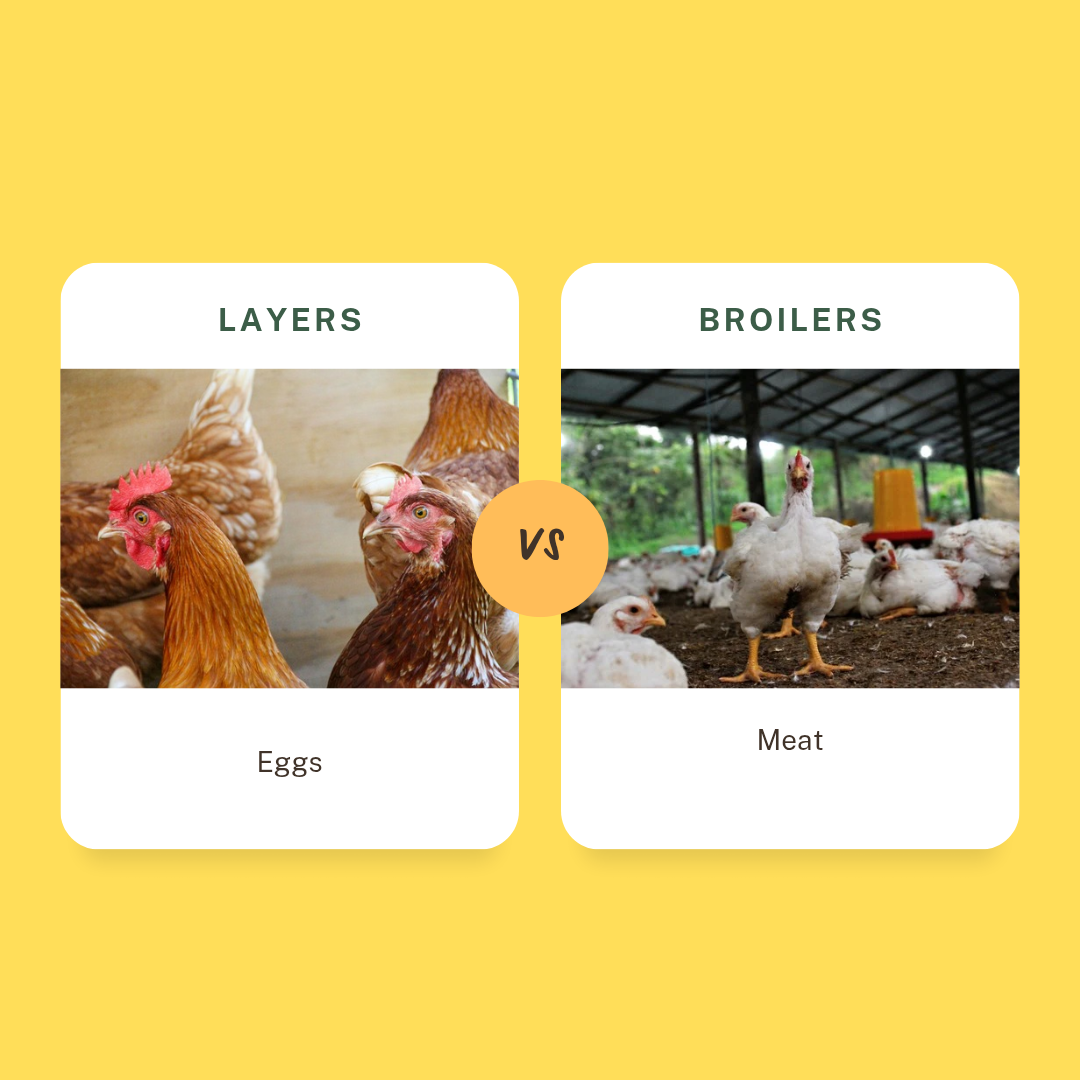
Layer vs broiler chicken side by side – see the physical differences clearly.
What Are Layer Chickens vs Broiler Chickens? Before diving into differences, let’s define these two types of poultry. Broilers – Chickens bred and raised primarily for meat production. Layers – Chickens kept mainly for egg production.
Here’s a quick Layers vs Broilers comparison.More details below:
Feature
Layers
Broilers
Main Purpose
Eggs
Meat
Startup Costs
Higher
Lower
Time to harvest
Start laying at 18 weeks
Ready for sale 6-9 weeks
Market Stability
Stable demand
Demand fluctuates
Housing System
Battery cage or deep litter
Mostly deep litter
Vaccine Schedule
Longer
Shorter
Spacing
Bigger(2-3sq ft/bird)
Smaller(1-2 sq ft/bird)
Feeds
Starter Grower Layer
Starter Finisher
Profit Type
Daily income Continuous
Quick One time batch
Management Level
More skilled Long term
Easier Short term
Lighting
Less 14-18 hrs
More 24 hrs
Profitability Score
8.3
7.5 (Check below for how it was compiled)
(Layers vs broilers differences table) With that in mind, here are the 10 key differences in details. 1. Startup Costs Startup costs for layers are significantly higher compared to broilers.
This is because layers require more housing space, higher-priced chicks, a longer vaccination program, and more feed in their early months. For example, in Kenya in 2025, starting with 100 broilers costs approximately KSh 100,000, whereas 100 layers could cost upwards of KSh 300,000.
These figures are estimates and can vary based on region, type of housing, and market fluctuations. (Tip: I’ll soon publish a full, accurate cost breakdown for starting a layer poultry farm.)
2. Time Commitment Layers require more time and commitment than broilers.
While broilers are typically raised for a short period—6 to 9 weeks before slaughter—layers stay on the farm for up to 2 years as long as they remain productive. Because layers stay longer, they need continuous care, including vaccination follow-ups, debeaking, egg collection, and regular health monitoring.
Broilers, on the other hand, have a shorter but more intensive cycle, allowing you to free up your time after each batch. 3. Market Dynamics The market for eggs is generally more stable than for broiler meat.
In Kenya, there are significantly more broiler farmers than layer farmers, which means meat supply often outpaces demand. This can lead to price drops during peak seasons. Eggs, however, have a steady demand from institutions, hotels, retail shops, and households.
Even better,layers give you more time to plan because they start laying at about 18 weeks (4.5 months), whereas broilers must be sold within 6 weeks. That short sales window for broilers means you should find your market before buying your chicks. 4. Housing Systems Layers can be raised in both battery cages and deep litter systems, providing flexibility depending on your budget and management style. Broilers, however, are mostly raised on deep litter systems only. Imagine broilers in cages—uncommon and impractical due to their rapid growth and space requirements. If you want options for expansion or automation, layers offer more choices.
Get detailed guides on layer chicken here 5. Vaccination Programs Because layers live longer, their vaccination schedule is more extensive.
Vaccines for layers typically include Marek’s, Newcastle, Infectious Bronchitis, Gumboro, Fowl Pox, and periodic deworming. Broilers, on the other hand, have shorter lifespans and need fewer vaccines—mainly Marek’s, Newcastle, and Infectious Bronchitis.
This makes broilers easier and cheaper to manage from a health perspective, especially for beginners. 6. Space Requirements Layers need more space per bird compared to broilers.
They are active, long-lived, and require at least 2–3 square feet per bird. Broilers, by comparison, only need about 1–2 square feet per bird. This difference directly affects your housing investment. A larger poultry house for layers means higher construction costs upfront. If your available space is limited, broilers might be easier to start with. 7. Feed and Nutrition Feeding layers is more expensive in the long run because they go through multiple feed stages—starter, growers mash, and layers mash.
Additionally, their feed must be rich in calcium and other minerals to support eggshell production, while protein levels stay moderate (16–18%). Broilers only need starter and finisher feeds, formulated with high protein levels (around 23%) to promote fast muscle growth. Because their cycle is short, their total feed cost per cycle is often lower, making broilers appealing for quick-turnaround ventures.
Find more details on broilers best practices here 8. Profitability Potential Both layers and broilers can be profitable, but the pattern of profitability differs.
Broilers deliver quick, one-time profits per batch, ideal if you want fast cash flow.
Layers, however, offer stable long-term income through daily egg sales once production starts. Layers often have a higher profit margin because you buy birds once and earn from them continuously for about 22 months.
Broilers require you to restock every 6 weeks, which can be labor-intensive but gives multiple opportunities to adjust market strategy. 9. Management Skills Required Managing layers is more demanding than managing broilers.
Layers need specialized skills, including handling vaccinations, debeaking, egg collection, and monitoring productivity over a long period. However, once your layers are established, you don’t need to buy new birds for almost two years. Broilers are simpler in terms of management but require high attention during their short growth period. They need constant monitoring for weight gain, proper feeding, and quick marketing decisions. 10. Lighting Requirements Lighting needs also differ significantly. Layers require controlled lighting, typically 14–18 hours daily, to maintain egg production. Broilers, however, need near-constant lighting (24 hours) to encourage continuous feeding and rapid weight gain. This difference impacts your power costs and infrastructure decisions.
ProfitabilityScore
Criteria
Layers (Score 1-10)
Broilers (Score 1-10)
Startup Costs
6 (Higher but worth it)
8 (Lower)
Time to returns
7 (Slower)
9 (Fast)
Profit Stability
10 (Very stable)
6 (Seasonal
Market Demand
10 (Strong & Steady)
7 (Fluctuating)
Management Complexity
7 (Challenging but rewarding
8 (Simpler)
Long Term Profit
10 (Excellent)
7 (Moderate)
Average Score
8.3
7.5
(Layers vs broilers differences in profitability)
Layers have it🥳
If you’ve already decided it’s layers, I have a step by step guide on how to start your layer chicken farm the right way here
And to start you off,
Enter your details to grab a copy of my free printable guide and regular Layer Chicken Digest tips via email:
Which Option Carries More Risk? Risk depends on your resources and experience.
Layers require more startup capital, long-term commitment, and skilled management, but they also provide steady income after maturity. You won’t see returns until after 4.5 months when they start laying, so patience is necessary. Broilers carry a different risk. Their short cycle means that if you fail to secure a market quickly, your birds continue eating expensive feed while gaining weight beyond market standards.
Unfortunately, most buyers won’t pay extra for heavier birds, leaving you with slimmer profit margins—or even losses.
Which Should You Choose? The decision between broilers and layers depends entirely on your goals.
If you prefer long-term, stable income and are willing to invest more time and capital upfront, layers are ideal. If you want quick turnover and have a reliable meat market, broilers may suit you better. Think about your financial resources, available space, time commitment, skill level, and long-term vision. Choose what aligns with your goals, even imagining what you’d be comfortable managing for the next decade—eggs or meat? Common Questions Beginner Farmers Ask 1. Can you keep both layers and broilers together? Yes, you can keep both on the same farm, but never in the same house. Maintain two separate poultry houses at a safe distance to prevent disease transmission. 2. Layers vs broilers—Which is Better? There’s no universal answer. The better choice is the one that matches your current financial position, skill level, and business goal. Carefully weigh startup costs, time involvement, and market potential before deciding. 3. Which is best for small farms? For small farms with limited capital, broilers are often the better starting point because of lower upfront costs and faster returns. Finally, The layers vs broilers differences go beyond just eggs versus meat. They influence your time, money, and long-term profitability. Understand your goals clearly and then choose the option that matches your situation. If you want to explore layers further, check out for my upcoming detailed guide on the cost of starting a layer poultry farm. It will include cost by cost breakdown and projected revenue and profits.
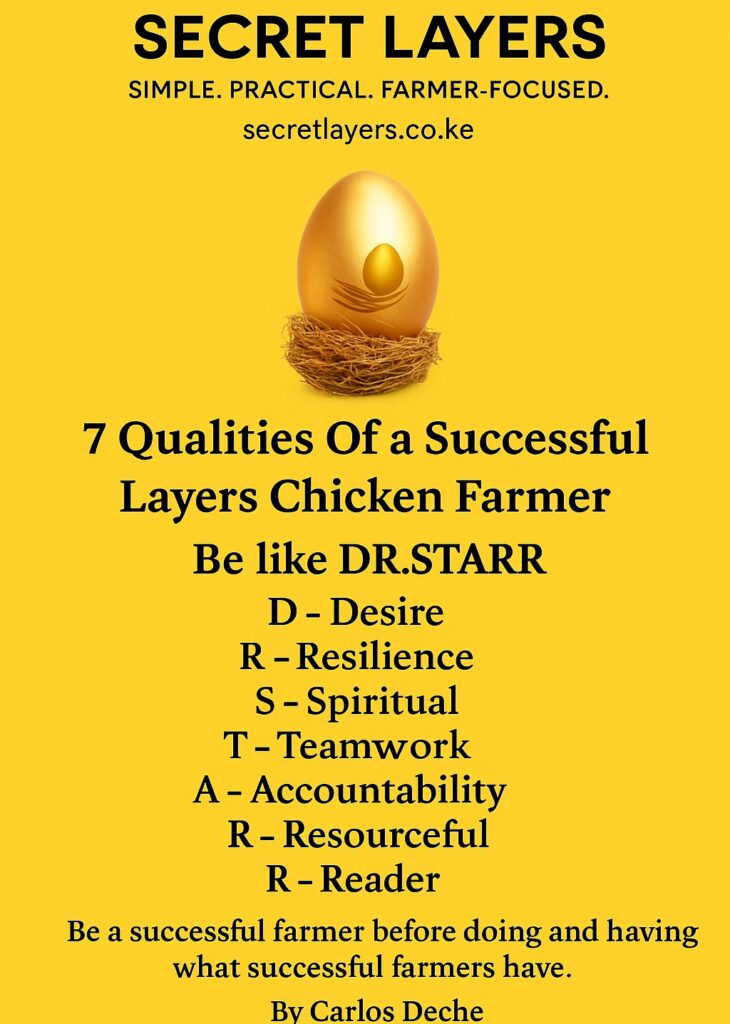
Be like DR.STARR and master the 7 qualities of a successful layer chicken farmer required for a profitable and sustainable layer farm.
Remember the quail farming craze of 2010?
Kenyan farmers invested heavily, only for many to lose millions when the market crashed.
One farmer even released 3,000 quails into the wild because he could not sustain the business.
But what was the real problem?
Were quails themselves a bad idea?
Not really. Some people actually became millionaires during that time. So why did some farmers succeed while others failed?
The difference often lies in character, values, and qualities rather than just resources. Sometimes success comes not from what you have but from who you are.
In this post, I’ll show you how adopting the DR. STARR framework can transform your layer farming journey.
DR. STARR is an acronym representing 7 qualities of a successful layer chicken farmer – essential traits every farmer must have.
1.DESIRE
Napoleon Hill, in Think and Grow Rich, calls desire “the starting point of all achievement—the first step toward riches.”
You don’t necessarily need deep passion for chickens to succeed in poultry farming, but you must cultivate a strong desire to succeed in keeping layers.
Wishing for success is not enough. Instead, develop a desire so strong it becomes an obsession. Then plan definite ways to achieve your goal and back those plans with persistent action. When your mind obsesses over success, it naturally finds ways to make it real.
Look around you.
Every great achievement you’ve ever had probably began as a thought—a simple desire in your mind. Your layer chicken farm is no different: desire first, then achievement.
2.RESILIENCE
Resilience is the ability to recover quickly from difficulties.
Poultry farming, like any business, comes with challenges. Birds may die from disease, feed prices may spike, or theft might wipe out your flock.
What will you do when these setbacks happen? Quit? Blame the government, imported eggs, or bad luck? Or will you come back stronger?
The answer defines success. Those who quit easily never see profits. In contrast, resilient farmers adapt and rebuild after every challenge.
For instance, Dr. Daniel Masaba, a successful Ugandan layer farmer with 30,000 birds today, once lost 700 birds (Almost half of his flock at the time) in a disease outbreak. Instead of giving up, he rebuilt with improved biosecurity.
Today, his farm thrives because of his resilience.Persistence keeps you moving forward; resilience helps you rise after falling. Together, they keep you in business long enough to see the “crazy profits.”
3.SPIRITUALITY
Surprisingly, spirituality plays a significant role in farming success. Here, spirituality involves two things: Mission and Faith.
Mission:
Why does your farm exist? Is it just for money, or does it serve a bigger purpose?
While earning KES 100,000 a month is a great financial goal, having a purpose beyond money gives you drive even when challenges arise.
It keeps you motivated before the money comes and even after it arrives.
Faith:
Faith is believing in things you cannot yet see.
You already exercise faith daily—when you go to sleep trusting you’ll wake up or travel believing you’ll arrive safely. Likewise, you must believe you can succeed in poultry farming even before it happens.
When faith combines with mission, your farm gains a powerful foundation. You’re not just running a business; you’re pursuing a purposeful calling.
To be a leader, you must first be a good follower.
And being a good follower involves working as a team and following the teams goals and mission.
That lesson applies directly to farming because you’ll interact with many people: employees, customers, suppliers, and even government officers.
Lack of teamwork often creates unnecessary workload, employee turnover, and lost partnerships.
Successful poultry farmers, on the other hand, know how to work well with others and build strong professional relationships.
Here’s a tip I use to promote teamwork: treat everyone as a partner in your business. Listen to them, ask better questions, and encourage collaboration. Even friends can offer valuable insights when you view them as informal consultants. Remember, we always go farther together.
5.ACCOUNTABILITY
Accountability is one of the toughest yet most valuable qualities to develop.
It’s different from responsibility.
Responsibility means admitting you made a mistake.
Accountability goes further: learning from that mistake and preventing it from happening again
For example, if feed prices rise, accountability means acknowledging you failed to stock up when prices were low, then creating a plan to buy in bulk next time.
If an employee ignores biosecurity rules and your flock dies, accountability means accepting you hired and trained poorly—then improving your hiring and training process.
Mastering accountability forces you to create systems and solutions that strengthen your farm, ensuring mistakes are not repeated. It’s a powerful habit not just in business but in life.
6.RESOURCEFUL
Being resourceful doesn’t mean having plenty of resources; it means making the most of what you have.
Imagine you need to travel from Nairobi to Mombasa but can’t afford a plane ticket. What do you do? You take a bus. You still reach Mombasa, just in a different way. That’s resourcefulness—finding alternatives when things get tough.
On your layers farm, money may run out, customers may switch suppliers, or markets may slow down. Will you give up, or will you find creative solutions to keep moving forward?
Resourcefulness often awakens your creativity.
You begin to see possibilities where others see dead ends. That ability keeps your farm alive and thriving when others fail.
7.READER
If you’ve reached this part of the blog, congratulations—you’re already a reader!
And that’s an essential quality.
Elon Musk once said he learned how to build rockets by reading two books a day. Similarly, farmers who continuously learn stay ahead of the curve. Reading exposes you to new concepts, tools, and opportunities that others miss.
Even dedicating 10 minutes a day to reading about best poultry farming practices can compound into significant knowledge over time.
With today’s fast-changing agriculture industry, staying informed is crucial to staying competitive.
Start with reliable sources: books, research papers, credible blogs, newsletters, and even worksheets like the ones we offer at Secret Layers.
(If you haven’t already, sign up for our free Layer Starter Kit,weekly poultry tips and tutorials- It’s totally FREE)
Being like DR. STARR—having Desire, Resilience, Spirituality, Teamwork, Accountability, being Resourceful, and becoming a Reader—makes you more than just a farmer.
It positions you as a successful, future-ready poultry entrepreneur.They are the qualities of a successful layer chicken farmer you’ve been looking for – the ‘cheatcode’ for success in the poultry business.
These qualities may seem personal, but they directly influence how you run your farm, how you handle challenges, and how quickly you grow.
Start working on them today. Build the poultry business mindset first, then apply the skills. Combine your character with knowledge and watch your layers farm thrive—regardless of market challenges.
And if you haven’t already:
> 📩 Register below for free for access to Secret Layers resources:
Do you want to start a layers poultry farm and build wealth?
Listen to this..
True story: “I slaughtered and ate all my layer birds – One farmer I interviewed”
(Layers chicken in a farm)
That’s what happens when you rush blindly into layers chicken farming without a plan.
Yes you can build wealth and achieve financial freedom just by keeping layers.
But many beginners dive in without the right knowledge—and end up losing time, money, and hope on farms that never take off.
Don’t be that person!
In this post, I’m going to walk you through a simple, step-by-step guide on how to start a layers poultry farm—even if you have zero knowledge, no money, and no idea where to begin.
Let’s get started…
STEP 1 : JOIN SECRET LAYERS
Yes, join us. Are we promoting our blog? Yes…and no. Here’s why.
Before starting anything in life—especially something as delicate and costly as poultry farming—it’s wise to learn from someone already doing it successfully.
Think of it this way:
Would you go mountain climbing without a guide?
No?
Then don’t go into layers farming without one either.
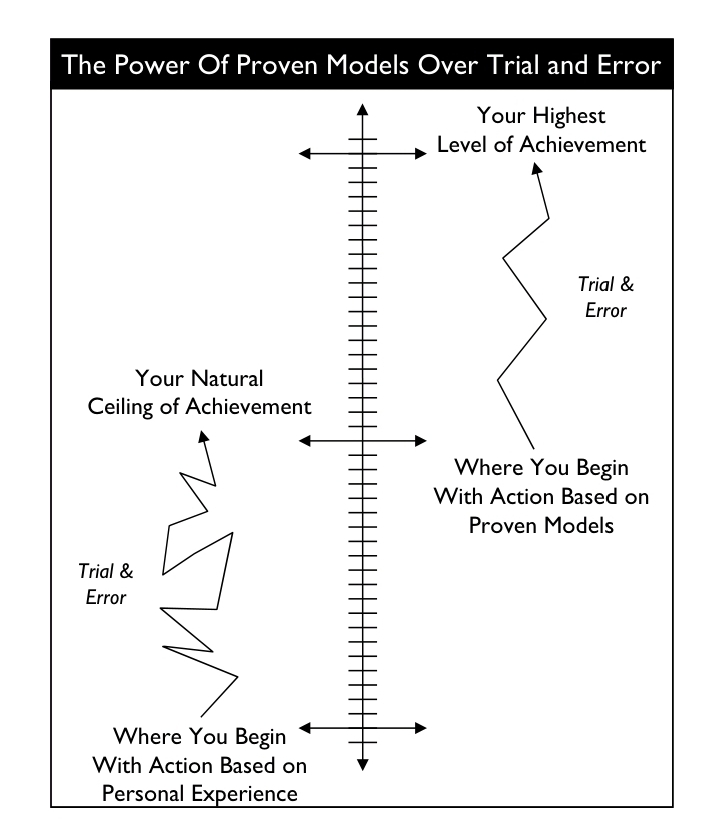
Proven models help you start ahead and take you further than you could go on your own.
(How proven models can help you start a layers poultry farm: From Millionaire Real Estate Investor)
Secret Layers exists to give you:
Simple and practical information that helps you avoid failure.
Daily tips to help you actually run your farm, not just dream about it.
A community of people just like you—starting small, aiming big.
Ask yourself:
How will you raise your chickens right?
Who will teach you about markets, pricing, and policies?
Who will motivate you when you feel like quitting?
How will you even know the best breeds?
At Secret Layers, we’re building a tribe—a family of dreamers, doers, and believers. People like you.
And guess what? You don’t have to walk this path alone anymore.
So join us.
👉 Register below for free to get access to Secrets Layers resources.
Enter your email to get a free copy of my free Purpose Planner and regular Layer Chicken Digest tips via email:
“PURPOSE PLANNER”
I recommend you maximize and apply every bit of information you will get from Secret Layers.
STEP 2 : CREATE A PLAN
Congrats! You’ve joined the community. Now what?
(Create a plan before you start a layers poultry farm)
Let’s be clear: A layer farm is a business first, a farm second. And every business needs a plan.
Not a long, boring 50-page plan for the bank. I mean a real, working, personal plan just for you.
Let me share a little secret with you.No a big one: Business plans don’t fail because of what’s written in them. They fail because of what isn’t written.
Nobody plans for losing a loved one. Nobody plans for fire, theft, or sickness. But these things happen.
What protects you is vision—knowing where you’re going. That’s your anchor when life gets rough.
Ask yourself:
How many chickens do I want to keep?(5000, 10000)?
What do I want my farm to look like in 5 years?
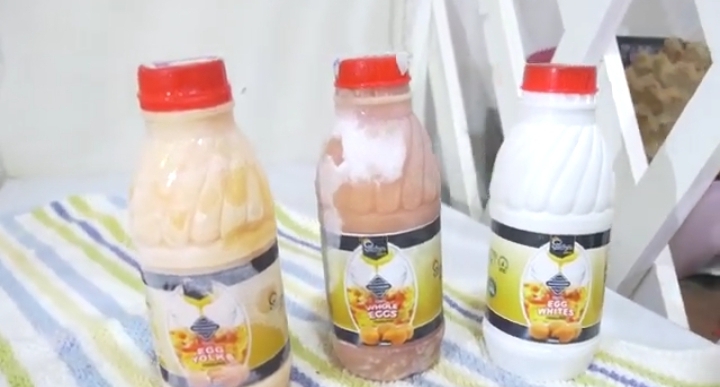
Do I want to sell just eggs—or also manure, chicks, feed, or liquid eggs?
Here’s a simple plan you can start with:
🥅 Goals How big? (In terms of Birds, Revenue, Customers, Employees)
How many birds are you going to start with?
🎯 Mission What is your reason for doing this beyond money?
🥚 Product Are you going to sell eggs only?
Or you’ll also sell manure, feeds,or hatching chicks?
⚙️ Systems How will the farm run daily?
Will you hire?
If so, how will you train and manage them?
🛡 Legal Planning to process, hatch, or produce feeds? You’ll need government approvals.
📢 Communication Who will buy your eggs?
Marketing – How will your buyers find you?
Sales – How will you sell your eggs?
What’s your customer service plan?
💰 Cashflow Many buyers pay farmers 30 to 90 days later.
How will you survive while waiting to be paid?
This sounds like a lot—but we’ll simplify all of it for you in future posts and give you templates and checklists.
STEP 3 : GET YOUR MONEY
You’ve got the knowledge and the plan. Now you need the cash.
⚠️ Warning: If your goal is 10,000 birds, do not wait until you have enough money to start with 10,000 birds.
Truth is, you won’t get that money. Or you’ll get it when you’re 60.
And even if you do… Do you really think you can run a 10,000-bird farm on your first try?
If you do – I like your confidence,but let’s be real.
Start with what you can manage. Learn. Grow.
In future posts, we’ll break down exact costs for starting with 100, 300, 500, or 1,000 birds.
Here are the basics you’ll need to budget for:
Water source (plus tanks) Chicks Housing Feeds (Up to point of lay) Vaccines and supplements Equipment (Feeders, drinkers, etc.) Salaries (If employing help) Miscellaneous (Transport, marketing)
Knowing your startup cost saves you from running out of money before your chickens even start laying.
STEP 4 : GET YOUR MARKET
You are not keeping layers so you can eat all the eggs yourself.Or worse your birds.
Let me tell you a true story..
A farmer got so frustrated with losses and high feed costs, he slaughtered and ate his own chickens for 3 months straight. Of course sometimes adding it on greens. “Alikula mali.”
Don’t be that farmer.
Talk to potential buyers before you start.
Neighbours Schools Shops Hotels Bakeries
Ask them:
How much they buy eggs for?
How often they buy?
How and when they pay?
If they don’t match your goals, move on. Get a buyer who does. If possible, get a supply contract.
It’ll give you confidence and reduce panic when eggs start coming in.
But don’t let market worries stop you from starting.
Layers take around 18 weeks to start laying, so you have about 4.5 months to find your buyers.
STEP 5: GET A GUIDE
You’re doing great.
You’ve joined Secret Layers.
You’ve created your plan.
You’ve secured your money.
You’ve found a market..
Now get yourself a guide.
Yes, we (Secret Layers) will guide you through content.
But we’re not offering one-on-one help yet (it’s coming).
So here’s what to look for in a real-life mentor:
1.They are actively keeping layers (not just talking about it)
2. They are affordable (could be your neighbour or someone you know)
3. They are accessible (you can reach them when you need them)
Why does this matter?
Because farm problems don’t wait.
Delayed intervention can be the reason between losing 2 birds and losing your entire flock.
It can be the difference between making millions and losing millions – literally.
Get a reliable person who can help when you need them most.
STEP 6 : START
You’ve done it all.
It’s time.
Start.
Not tomorrow. Not when you have the perfect plan. Not when you have millions. START NOW.
You won’t make money from a farm that only exists in your mind. You must take action.
Think big. But start small. Every big layer farm you see started in someone’s mind—and with one step.
Maybe you only have money for a water tank today. Start there.
Maybe you can build the chicken house next month. Good. Do that.
Start with what you have. Grow with what you get.
You’ve waited long enough.
Don’t delay your dreams any longer.
As you may have noticed: This guide is for the complete beginner—someone who has the dream, but no information, no plan, no money, no market, and no guide.
It’s not a strict rulebook to be followed religiously. It’s a proven path. Feel free to improvise and adapt it to fit whatever point you are.
If you’ve already completed one or two steps—great. Just jump to the next one.
I however recommend that whatever you do, don’t skip Step 1.
👉 Register below for free to get access to Secrets Layers resources.
Enter your details to grab a copy of the printable free guide and regular Layer Chicken Digest tips via email:
“6 SIMPLE STEPS TO START A PROFITABLE LAYER POULTRY FARM”
We’re all learning. None of us knows it all. But together, we go farther.
After the great fire of 1666 that destroyed London, the world’s famous architect, Christopher Wren, was asked to rebuild St Paul’s Cathedral. One day in 1671, he observed three bricklayers at the project site.
To the first bricklayer, who was bent over Christopher asked,
“What are you doing?”
He replied,
“I’m a bricklayer. I’m working hard laying bricks to feed my family.”
This bricklayer looked tired and was way behind in his work. The second bricklayer,who was half standing responded,
“I’m a builder. I’m building a wall.This wall will be a foundation for this building and will protect everyone who will be inside” But…
The third brick layer, who was standing tall when asked “What are you doing?”replied with a smile and said
“I’m a cathedral builder. I’m building a great cathedral to The Almighty.
Where people can gather together,pray and celebrate the LORD.
He was the most productive of the three.
What has this got to do with Layers Farming?
3 Lessons 1. Big Picture Thinking Have the ability to see the end result of what you are doing and how your work contributes to it.
Look beyond the daily chores.
Instead of just feeding hens and collecting eggs, envision how your layers farm helps solve the chronic problem of malnutrition in Africa—from families and school children to local restaurants. 2.Attitude Having a positive attitude and pride in what you’re doing will show up in your work and your motivation. That belief and pride in your layers chicken farm will definitely show in how you handle your suppliers,customers and even chicken!
This will provide more motivation to keep you in the game long enough to be successful. 3.The power of purpose The cathedral builder shows a personal expression of purpose that gives higher meaning to his work.
You’re not just selling eggs—you’re feeding families, empowering small-scale farmers, and improving food systems.
At Secret Layers our purpose is not to give you information about layers poultry farming – it’s about fulfilling dreams.
Your dreams.
This is what our Mission reads..
To help you go from layer poultry dream to a money-making layer farm.
And by doing that we are contributing to you, our readers mission.
That’s the kind of mission I want you to have on your layers farm.
TIP Use our 3-Why Exercise—three simple questions—to uncover your real purpose before you begin your farm.
Did you know that nearly 80% of small layer chicken farms fail within the first two years?
Not because the birds died but because the farmer ran out of purpose,knowledge or a clear plan.
Imagine standing at your farm,with your first day old layer chicks, full of excitement..
But a few weeks pass and you’re not sure if you’re heading towards success…or sinking costs.
That moment you question everything
‘Why am I doing this?’ is exactly where many would be farmers give up.
But behind every lasting profitable layers farm, there’s a farmer who asked better questions ,stayed committed,built real skills and treated his/her farm like a business – even before the eggs started rolling in.
In this post, you’ll learn how to start a layer poultry farm with the 5 gamechanging things every serious layers poultry farmer must master.
Let’s start..
1. Know Your Why
Before sinking time and money into chicks, ask yourself:
Why do you want to start keeping layers?
Is it the profit, the passion for poultry, or the dream of feeding your community?
What deeper purpose drives you?
Are you looking to quit your desk job? Provide for your family? Serve others?
Your why is what keeps you going when things go wrong—because they will.
Without a powerful motivation, many farms go under when challenges arise.
A good technique is the “3 Whys” Exercise:
Why 1…Why do I want to start layers farming? (To make money)
Why 2…Why do I want to make money? (To support my family)
Why 3…Why do I want to support my family? (To insure my children’s future)
There you have it: a soul-deep why to inspire you daily.
Have you been dreaming of starting a layer poultry farm?
Do you want to make more money from your layer birds?
Do you want to start a profitable layer poultry farm? – Not a get rich quick.
But…
You don’t know where to start because you don’t have the information on what to do.
The information you get about how to start layers farming from friends, YouTube or random websites is either too complex, impractical, irrelevant to you, scattered all over on websites full of ads or expensive.
Sound familiar?
If you’re already into layers farming, you might be stuck making small profits that can’t grow your farm – or worse losing money.
If you’re still planning to start your layers farm, that dream keeps getting delayed.
And slowly, doubts creep in.
You start to feel like you can’t accomplish your dreams – that profitable layers farm, that other source of stable income, financial freedom(Whatever that means to you), quitting your job or even contributing to something great in your country and this world.
You feel like your goals are slipping away.
And it stresses you out and worries you.
I Get It..Because I’ve Been There
I know what it feels to be stuck, to want something more but not have the right information to move forward.
I believe nobody should struggle to find basic, simple, practical and well organized knowledge in today’s world.
You shouldn’t be losing money on your layers farm.
You shouldn’t be making small profits than what you can get from your farm.
You shouldn’t be wondering what to feed your birds, what to vaccinate them, how to price your eggs or where to find the market to sell your eggs.
You shouldn’t be postponing your dream of starting that profitable layers poultry farm.
Here’s What I Did..
Years ago, I was in the same place.
I decided to dig deep.
I searched for every article, blog, report book and video I could find on layers poultry farming.I’ve spent over 10,000 hours learning(I’m still learning by the way) on this one topic – Layerspoultryfarming.
(You may have heard of the 10,000hourrule – It’s real)
How many years is that by the way? *Assuming a normal work week day. Type in the comments below.
And now, I’m giving it all to you – in one place.
In simple and practical ways.
Secret Layers
Secret Layers is the first layers-onlyblog focused entirely on helping you succeed in layers poultry farming.
No broilers. No other thing – just layers, eggs and how to make them profitable.
When?
Remember;
Every week.
Never miss a post.
Enter your name and email address below to get updates delivered straight to you:
What You’ll Get On This Blog
Simple. Practical. Farmer focusedinformation.
Everything is actionable and clear.
Here’s what you’ll get;
Technical Guidance
What you should know/do before starting
Choosing the right Layer breeds
Housing
Layers feeding guides
Brooding
Layers vaccination and disease management
Increasing egg production
And many more
Business Advice
Business plans
Start up costs
Selling your eggs
Marketing your eggs
Distributing your eggs
Business growth and development
Managing cashflow
Managing employees
Legal and licensing
And many more…
*You don’t want to miss these – they’re the mistakes that quietly kill most layers farms*
Interactive Learning
Case studies
Success stories of layers farmers
Tips
And many more
And Niss’ story – Out fictional farmer with very real challenges, mistakes and wins.
We’ll follow her as she tries to make her business plan, reduce feed costs, sell her eggs and grow her farm – you’ll learn with her, laugh with her and grow with her.
You’re NoT Alone
This is your blog.
Your resource.
Your secret weapon for building the profitable layers farm you’ve always wanted.
You don’t have to lose money on your farm.
You don’t have to make small money on your farm.
You don’t have to postpone that 10,000 layer birds dream farm.
You don’t have to ‘just survive’ with money problems.
Just think about it…
What if you had a stable alternative source of income – a profitable layers poultry farm.
One that didn’t depend on family, a boss, a salary or office politics.
You could finally quit that stressful job (or keep it without worrying about the pay)
You’d clear those debts, pay off that loan and give your wife, kids and family the life they deserve.
But more than that – you’d be doing something meaningful;
Feeding your communityCreating jobsEmpowering othersInspiring change
That’s the kind of success this blog is here to help you build – financial freedom with real purpose.
(Layers chicken in a farm)
Like John.F.K said ;
“Ask not what your country can do for you — ask what you can do for your country.”
Take the First Step NOW– It’s FREE
Simple.
Bookmark this page
Join the email list for tips, updates and early access to secrets, tools and freebies.
Enter your details to grab a copy of my free guide and regular Layer Chicken Digest Tips viaemail:
“6 SIMPLE STEPS TO START A PROFITABLE LAYER POULTRY FARM”