Category: Guides

  • 5 Powerful Solutions To High Animal Feed Costs In Kenya

    How do you reduce feed costs on your farm?

    It’s the million dollar question every poultry and livestock farmer in Kenya is asking right now.

    Finding solutions to high animal feed costs in Kenya is urgent for every poultry and livestock farmer.

    Feed prices often take up to 70% of production costs, leaving farmers struggling to stay profitable. The 2024 Competition Authority of Kenya (CAK) report shows maize, soybean, and sunflower products have risen by over 30% in just two years.

    Last week, I shared the 7 main reasons why animal feed costs are high in Kenya.

    If you missed it, you can read that article here and also check out the official CAK report.

    Today, I’ll share my 5 practical and industry-level recommendations for solving this problem for good. These are not the usual “grow your own azolla” or “use black soldier fly” tips. They are strategies that, if implemented, can make farming more profitable — especially for layers farmers, which is what Secret Layers specializes in.

    The first three ideas focus on reducing feed costs directly. The last two focus on increasing the price you can charge for your eggs, so even if feed prices stay high, you remain profitable.

    1. GO BIG

    Big(200m long 2 floor chicken house)
    Going big gives you an edge in sourcing and formulating feeds.

    Scaling up is one of the fastest ways to cut feed costs. Larger farms can negotiate better prices with suppliers because they buy in bulk.

    Hypothetical example:
    Imagine you have 5,000 layers. Instead of buying feed in 50 kg bags, you order a full truckload. Your supplier might offer you a 5–10% discount for the bigger order. That’s money saved before the feed even reaches your store.

    Farmer action: If expanding your flock is not realistic, join or form a cooperative. When multiple farmers buy together, they gain the same bulk-buying power as a large farm.

    Stakeholder action: Support cooperative models by offering bulk storage facilities, transport discounts, or collective purchasing agreements.

    2. FORMULATE YOUR OWN FEEDS

    Making your own feeds can lower your expenses because you are sourcing raw materials directly and avoiding retail markups. This is one of the most effective poultry feed cost solutions available to Kenyan farmers.

    What to consider before starting:

    Can you source maize, sunflower cake, or soybean meal at good prices?

    Do you understand feed formulation for layers so you meet nutritional needs?

    Hypothetical example:
    Let’s say you have 1,500 layers. You decide to mix your own layers mash using maize bran, sunflower cake, and premixes bought directly from a miller. This could cut your feed costs by around 15–20% compared to agrovet prices.

    Farmer action: Learn feed formulation from extension officers or trusted training providers. If the investment in mixers is too high, share equipment with other farmers.

    Stakeholder action: Offer accessible training and affordable leasing of feed-mixing equipment to farmer groups.

    3. PRODUCE OUR OWN FEED INPUTS
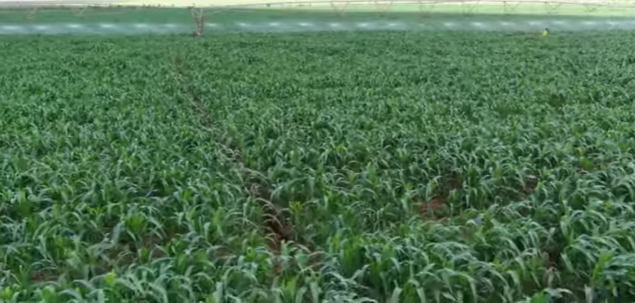
    We can reduce feeds prices by producing our own farm inputs.Like such maize production at Galana-Kulalu.
    Massive maize production at Galana-Kulalu in Kenya.We can do the same for sunflower, soya beans and have our own feeds inputs.

    Kenya imports a lot of maize, sunflower, and soybeans for feed manufacturing. While countries like Uganda or Zambia may have larger production areas, we can still increase our own supply.

    By producing these crops locally and processing them into sunflower cake or soybean meal, we reduce dependence on imports and stabilize prices.

    Hypothetical example:
    A group of 10 poultry farmers could partner with crop farmers to grow sunflower on 50 acres. The harvest could then be processed locally, giving them cheaper sunflower cake than the market price.

    Farmer action: Secure long-term contracts with maize, sunflower, or soybean growers in your region to guarantee feed input supply.

    Stakeholder action: Create incentives for local feed input production including subsidies, irrigation programs and assured market purchases.

    4. VALUE ADDITION

    We don’t have to keep selling eggs for less than Ksh 500 per tray. Through value addition, you can sell your eggs at much higher prices. Processing eggs into liquid, powdered, or specialty products for bakeries, pharmaceutical companies, and retailers allows you to charge more.

    Hypothetical example:
    If you partner with other farmers to invest in a small pasteurization unit, you could supply bakeries with liquid eggs at prices that translate to more than Ksh.1500 per tray in value.

    Here’s Fridah Kaaria who processes liquid eggs in Central Kenya.
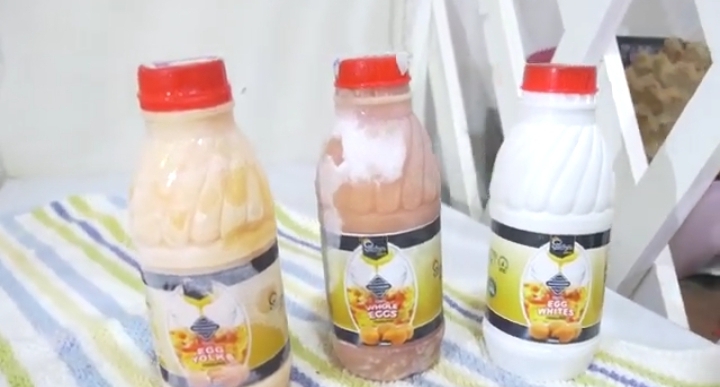
    Value addition of eggs - Pasteurized liquid eggs processed by Fridah Kaaria an entrepreneur in Kenya
    Pasteurized eggs processed by Fridah Kaaria an entrepreneur in Kenya.One 250ml bottle goes for Ksh.350(2021)


    Farmer action: Form groups to share the cost of processing equipment or supply your eggs to existing processors.

    Stakeholder action: Provide technical training for value-added egg production and help farmers access certified processing facilities.

    5. EXPORT OUR EGG PRODUCTS

    If Kenya can export coffee, tea, and miraa, we can also export eggs and processed egg products. Powdered and liquid eggs have long shelf lives and can be shipped regionally and internationally.

    Hypothetical example:
    A farmer cooperative could package powdered eggs and target markets in Rwanda, South Sudan, or even the Middle East. The cooperative could fetch premium prices if it meets export quality standards.

    Farmer action: Focus on producing clean, high-quality eggs and join export-ready farmer groups.

    Stakeholder action: Streamline export regulations for egg products and secure trade agreements with target countries.

    REALITY CHECK : THE ROAD AHEAD

    None of these solutions will happen instantly. Bulk buying requires capital. Feed formulation needs training. Exporting calls for regulatory support. But they are all achievable if farmers and stakeholders take coordinated steps. Even small actions today can lead to big changes in the industry.

    WHAT CAN YOU DO TODAY?

    Choose one or two strategies you can start working on now. Maybe that’s joining a buying cooperative, planting your own maize for feed, or exploring value addition opportunities.

    The goal is not just to make more money, but to build a stronger, more resilient poultry industry in Kenya.

    By applying these solutions to high animal feed costs in Kenya, we can create lasting change for farmers across the country.

    WAIT!

    Enter your details to grab a copy of my free guide and regular Layer Chicken Digest tips via email:

    “6 SIMPLE STEPS TO START A PROFITABLE LAYER POULTRY FARM”

    Free beginners guide to starting a profitable layer poultry farm. Step by step guide.
    Name
    Limited access. Join other serious farmers who have taken the guide and get support.

    See you next Friday!

    Carlos Deche

    secretlayerske@gmail.com

    carlosdeche4040@gmail.com
  • Step By Step Guide To Starting A Layer Poultry Farm

    Do you want to start a layers poultry farm and build wealth?

    Listen to this..

    True story:
    “I slaughtered and ate all my layer birds – One farmer I interviewed”

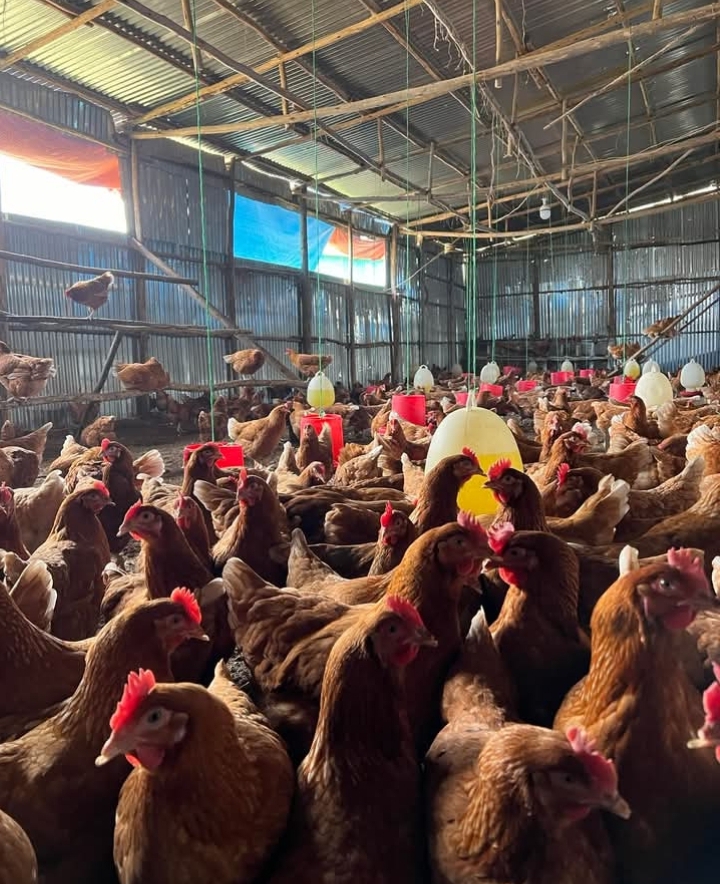
    (Layers chicken in a farm)

    That’s what happens when you rush blindly into layers chicken farming without a plan.

    Yes you can build wealth and achieve financial freedom just by keeping layers.

    But many beginners dive in without the right knowledge—and end up losing time, money, and hope on farms that never take off.

    Don’t be that person!

    In this post, I’m going to walk you through a simple, step-by-step guide on how to start a layers poultry farm—even if you have zero knowledge, no money, and no idea where to begin.

    Let’s get started…

    STEP 1 : JOIN SECRET LAYERS

    Yes, join us.
    Are we promoting our blog?
    Yes…and no.
    Here’s why.

    Before starting anything in life—especially something as delicate and costly as poultry farming—it’s wise to learn from someone already doing it successfully.


    Think of it this way:

    Would you go mountain climbing without a guide?

    No?

    Then don’t go into layers farming without one either.

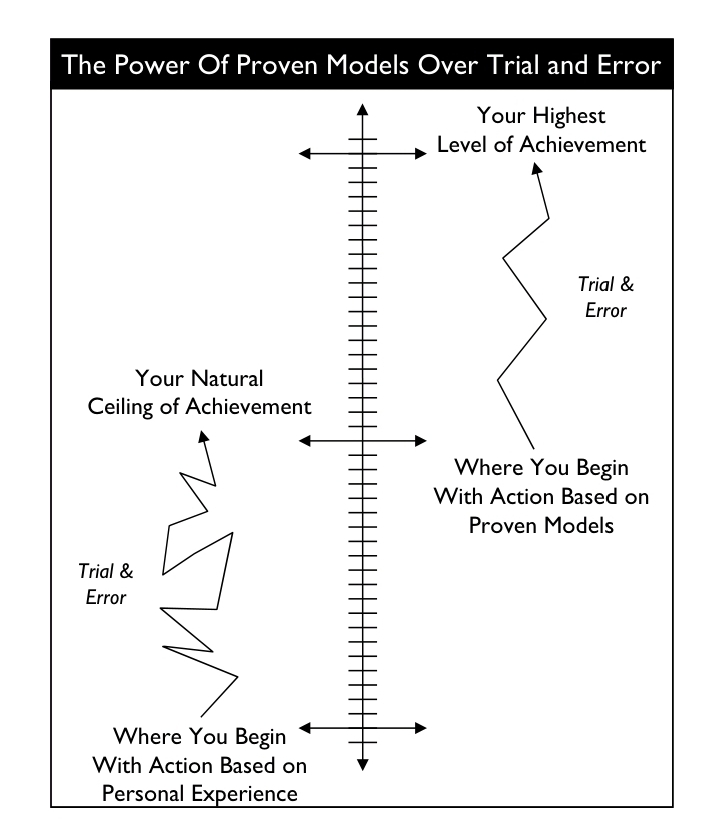
    Proven models help you start ahead and take you further than you could go on your own.

    (How proven models can help you start a layers poultry farm: From Millionaire Real Estate Investor)


    Secret Layers exists to give you:

    Simple and practical information that helps you avoid failure.

    Daily tips to help you actually run your farm, not just dream about it.

    A community of people just like you—starting small, aiming big.

    Ask yourself:

    How will you raise your chickens right?

    Who will teach you about markets, pricing, and policies?

    Who will motivate you when you feel like quitting?

    How will you even know the best breeds?

    At Secret Layers, we’re building a tribe—a family of dreamers, doers, and believers. People like you.

    And guess what? You don’t have to walk this path alone anymore.

    So join us.

    👉 Register below for free to get access to Secrets Layers resources.


    Enter your email to get a free copy of my free Purpose Planner and regular Layer Chicken Digest tips via email:

    “PURPOSE PLANNER”

    I recommend you maximize and apply every bit of information you will get from Secret Layers.

    STEP 2 : CREATE A PLAN

    Congrats! You’ve joined the community. Now what?

    (Create a plan before you start a layers poultry farm)

    Let’s be clear:
    A layer farm is a business first, a farm second. And every business needs a plan.

    Not a long, boring 50-page plan for the bank.
    I mean a real, working, personal plan just for you.

    Let me share a little secret with you.No a big one:
    Business plans don’t fail because of what’s written in them.
    They fail because of what isn’t written.


    Nobody plans for losing a loved one.
    Nobody plans for fire, theft, or sickness.
    But these things happen.

    What protects you is vision—knowing where you’re going. That’s your anchor when life gets rough.

    Ask yourself:

    How many chickens do I want to keep?(5000, 10000)?

    What do I want my farm to look like in 5 years?

    Do I want to sell just eggs—or also manure, chicks, feed, or liquid eggs?


    Here’s a simple plan you can start with:

    🥅 Goals
    How big? (In terms of Birds, Revenue, Customers, Employees)

    How many birds are you going to start with?

    🎯 Mission
    What is your reason for doing this beyond money?

    🥚 Product
    Are you going to sell eggs only?

    Or you’ll also sell manure, feeds,or hatching chicks?

    ⚙️ Systems
    How will the farm run daily?

    Will you hire?

    If so, how will you train and manage them?

    🛡 Legal
    Planning to process, hatch, or produce feeds? You’ll need government approvals.


    📢 Communication
    Who will buy your eggs?

    Marketing – How will your buyers find you?

    Sales – How will you sell your eggs?

    What’s your customer service plan?

    💰 Cashflow
    Many buyers pay farmers 30 to 90 days later.

    How will you survive while waiting to be paid?

    This sounds like a lot—but we’ll simplify all of it for you in future posts and give you templates and checklists.

    STEP 3 : GET YOUR MONEY

    You’ve got the knowledge and the plan. Now you need the cash.

    ⚠️ Warning:
    If your goal is 10,000 birds, do not wait until you have enough money to start with 10,000 birds.

    Truth is, you won’t get that money. Or you’ll get it when you’re 60.

    And even if you do…
    Do you really think you can run a 10,000-bird farm on your first try?

    If you do – I like your confidence,but let’s be real.

    Start with what you can manage. Learn. Grow.

    In future posts, we’ll break down exact costs for starting with 100, 300, 500, or 1,000 birds.

    Here are the basics you’ll need to budget for:

    Water source (plus tanks)
    Chicks
    Housing
    Feeds (Up to point of lay)
    Vaccines and supplements

    Equipment (Feeders, drinkers, etc.)
    Salaries (If employing help)
    Miscellaneous (Transport, marketing)


    Knowing your startup cost saves you from running out of money before your chickens even start laying.

    STEP 4 : GET YOUR MARKET


    You are not keeping layers so you can eat all the eggs yourself.Or worse your birds.

    Let me tell you a true story..


    A farmer got so frustrated with losses and high feed costs, he slaughtered and ate his own chickens for 3 months straight. Of course sometimes adding it on greens.
    “Alikula mali.”


    Don’t be that farmer.

    Talk to potential buyers before you start.

    Neighbours
    Schools
    Shops
    Hotels
    Bakeries


    Ask them:

    How much they buy eggs for?

    How often they buy?

    How and when they pay?

    If they don’t match your goals, move on. Get a buyer who does.
    If possible, get a supply contract.

    It’ll give you confidence and reduce panic when eggs start coming in.

    But don’t let market worries stop you from starting.

    Layers take around 18 weeks to start laying, so you have about 4.5 months to find your buyers.

    STEP 5: GET A GUIDE

    You’re doing great.

    You’ve joined Secret Layers.

    You’ve created your plan.

    You’ve secured your money.

    You’ve found a market..

    Now get yourself a guide.

    Yes, we (Secret Layers) will guide you through content.

    But we’re not offering one-on-one help yet (it’s coming).

    So here’s what to look for in a real-life mentor:

    1.They are actively keeping layers (not just talking about it)

    2. They are affordable (could be your neighbour or someone you know)

    3. They are accessible (you can reach them when you need them)


    Why does this matter?

    Because farm problems don’t wait.

    Delayed intervention can be the reason between losing 2 birds and losing your entire flock.


    It can be the difference between making millions and losing millions – literally.

    Get a reliable person who can help when you need them most.

    STEP 6 : START

    You’ve done it all.

    It’s time.

    Start.

    Not tomorrow. Not when you have the perfect plan. Not when you have millions. START NOW.

    You won’t make money from a farm that only exists in your mind. You must take action.

    Think big. But start small.
    Every big layer farm you see started in someone’s mind—and with one step.

    Maybe you only have money for a water tank today. Start there.

    Maybe you can build the chicken house next month. Good. Do that.

    Start with what you have. Grow with what you get.

    You’ve waited long enough.

    Don’t delay your dreams any longer.


    As you may have noticed:
    This guide is for the complete beginner—someone who has the dream, but no information, no plan, no money, no market, and no guide.

    It’s not a strict rulebook to be followed religiously. It’s a proven path.
    Feel free to improvise and adapt it to fit whatever point you are.

    If you’ve already completed one or two steps—great. Just jump to the next one.

    I however recommend that whatever you do, don’t skip Step 1.

    👉 Register below for free to get access to Secrets Layers resources.

    Enter your details to grab a copy of the printable free guide and regular Layer Chicken Digest tips via email:

    “6 SIMPLE STEPS TO START A PROFITABLE LAYER POULTRY FARM”

    Free beginners guide to starting a profitable layer poultry farm. Step by step guide.

    We’re all learning. None of us knows it all.
    But together, we go farther.

    Carlos Deche

    secretlayerske@gmail.com

    carlosdeche4040@gmail.co.ke

    secretlayers.co.ke