Tag: small scale poultry farming

  • 4 Cheap Poultry Feed Options That Will Save You Money

    Feeds will kill your poultry business!

    But cheap poultry feed alternatives could save it.

    This is one of the first lessons farmers learn when they research the poultry business.

    Unfortunately, many beginners never research first. As a result, they pay dearly for that ignorance later.


    The reason is simple. On most poultry farms, feed alone takes 60–70% of the total production cost.
    Even worse, that cost can rise to 80% if feeding is poorly managed.

    Meanwhile, the commercial poultry feed business is a powerful industry on its own. In many cases, it is more profitable than poultry farming itself.


    For example, in 2026 De Heus Nutrition, one of the largest animal nutrition companies in the world, opened a new feed plant in Kenya.

    Interestingly, this happened despite the hundreds of animal feed companies already operating in the country.

    So why would such a big company still invest here?

    Clearly, the answer is simple. Feed demand is enormous.

    And because poultry feed is expensive, farmers have always looked for ways to lower this major cost.

    Therefore, many have experimented with cheap poultry feed alternatives.
    These options help farmers reduce reliance on commercial feeds.

    After all, commercial feeds are often expensive and sometimes unsustainable for small farmers.

    Personally, I have seen some farmers succeed with these alternatives. However, I do not have exact figures showing how much their feed costs dropped or how much their profits increased.

    Nevertheless, this post will introduce several cheap poultry feed alternatives used by farmers.

    Black soldier fly larvae vs azolla
    Before we start, which one would you use between these two?
    Let me know in the comments.

    First, let me make something clear.

    From what I have seen, these options work mostly for small poultry farms.

    Large commercial layer farms rarely depend on them.
    Therefore, if you run a small-scale poultry farm, this information will help you.

    1. Azolla

    Among all cheap poultry feed alternatives, Azolla has gained massive attention worldwide.
    In fact, many farmers see it as a small miracle plant.

    Scientifically, Azolla is a small aquatic fern. It grows quickly and can double its size every 72 hours.

    Because of this rapid growth, farmers can produce large amounts with very little space.
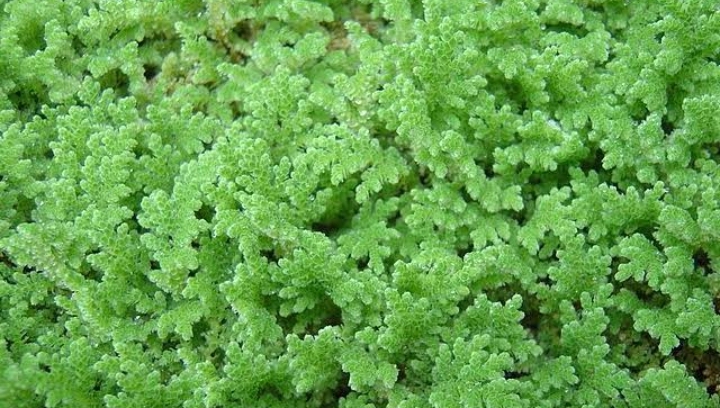
    Azolla.A cheap alternative feeds for poultry and livestock farmers.

    Additionally, Azolla contains high levels of protein and other nutrients useful for chickens.

    Another advantage is its simplicity. Farmers can learn how to grow Azolla in just a few hours.

    After harvesting, it can be fed fresh from the pond. Alternatively, farmers can dry it before feeding.

    However, there is one important warning.
    Azolla should only be used as a supplement, not a complete feed.

    Never feed chickens only Azolla.

    2. Black Soldier Fly Larvae
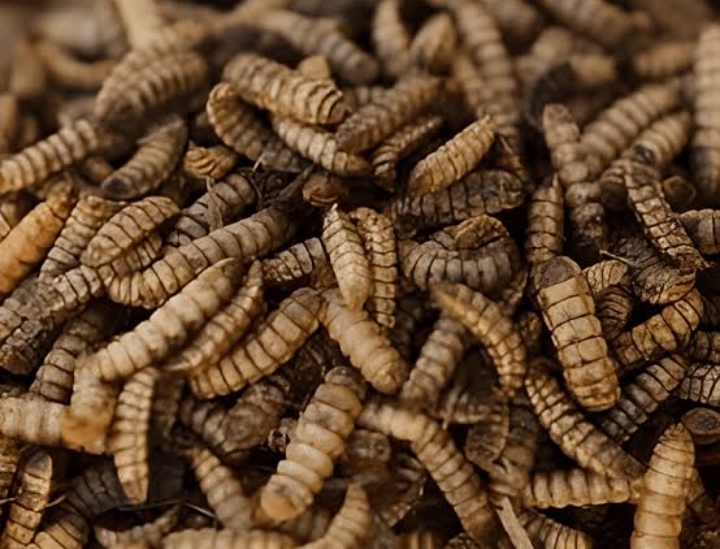
    Black soldier fly larvae

    If Azolla is Breaking Bad, then Black Soldier Fly Larvae are Better Call Saul.
    Although not as popular as Azolla, this option is also powerful.

    Black Soldier Fly larvae come from the black soldier fly insect. Farmers raise these flies using organic waste.

    During feeding, the flies lay eggs. Soon after, the eggs hatch into larvae.

    This process usually takes 10–15 days.

    These larvae contain extremely high protein levels. In fact, they contain more protein than Azolla.

    Because of this, many farmers use them to replace part of the commercial feed protein.


    Moreover, the system is simple. It is also fast and relatively cheap.

    As a result, many farmers consider this one of the best cheap poultry feed alternatives available.

    3. Hydroponic Fodder

    Another interesting option is hydroponic fodder.

    Many people believe hydroponics is part of the future of agriculture.

    Unlike traditional farming, hydroponics grows crops without soil.
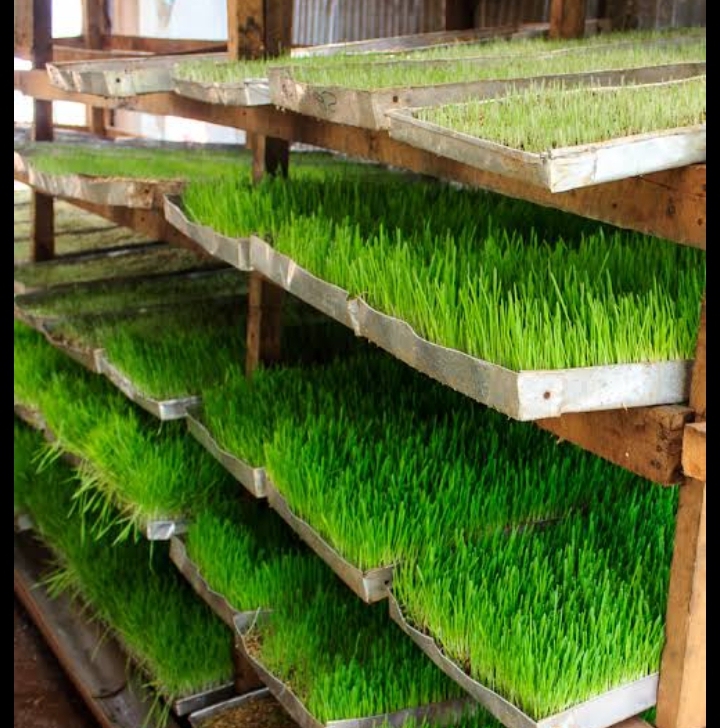
    Hydroponic fodder


    In this system, barley seeds are placed in trays and watered regularly.
    Within a few days, the seeds sprout into soft green fodder.

    At that stage, the young plants are fed directly to chickens.

    Unlike Azolla and larvae, hydroponic fodder mainly provides energy.

    Because of this, it can replace part of the energy portion of poultry feed.

    Furthermore, it grows quickly and requires very little land.

    Farmers also need no special degree or training to start.
    With small effort, this method can help reduce feed expenses by big margins.

    Before You See The Last Option,

    Get a Free copy of my Ebook on starting and running a profitable layer poultry farm👇🏿
    Free beginners guide to starting a profitable layer poultry farm. Step by Step guide.
    Name
    Limited access. Join other serious farmers who have taken the guide and get support.

    4. Garden Or Kitchen Food

    At home, I often struggle with free-range chickens during planting season.🥲

    They wait for maize to sprout. Then suddenly, they eat all the young leaves.

    Soon after, the plants grow again.

    Unfortunately, the chickens return and eat them again.

    Clearly, chickens love green plants.

    Because of this, some farmers use greens as another feed source.
    They usually do this in two ways.

    Planting Greens For Chicken
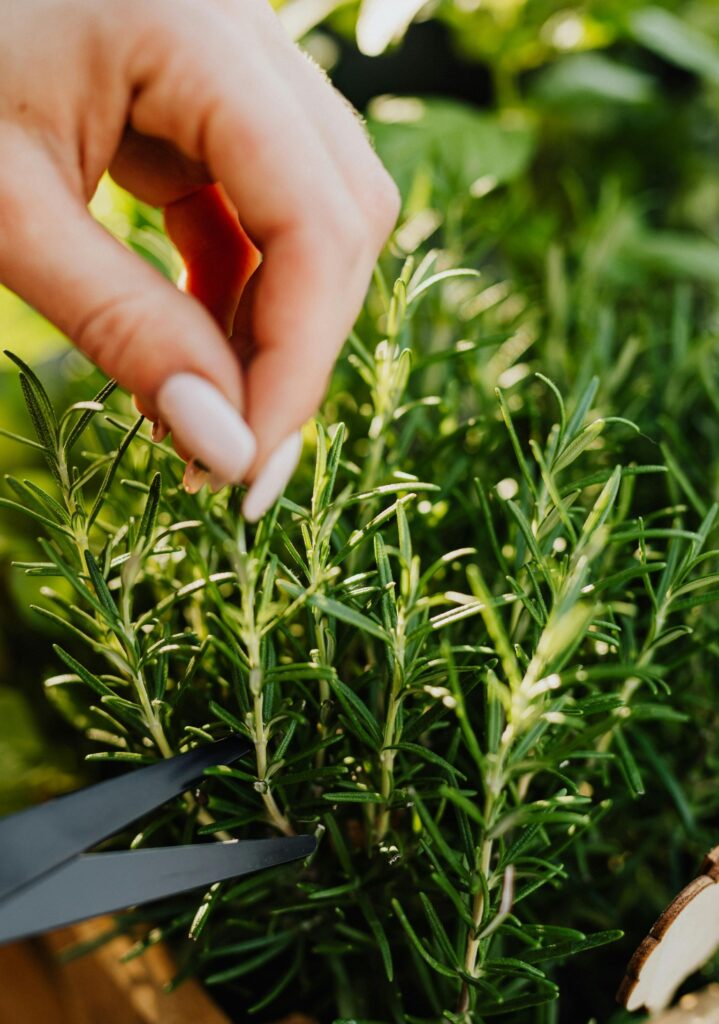
    Green plants are loved by chicken and can be used to lower feed costs.

    First, farmers can plant crops specifically for poultry.

    Common choices include maize, spinach, kales, and different grasses.

    Later, farmers either harvest the leaves or allow chickens to forage directly.

    However, layer chickens are usually kept indoors.Therefore, the farmer simply cuts the greens and carries them to the poultry house.

    Using Kitchen Food Remains

    Using Kitchen Food Remains
    Second, farmers can feed chickens vegetable leftovers from the kitchen.

    After all, most homes produce some food waste every day.

    Instead of throwing it away, farmers can give it to their chickens.


    However, this method has one weakness.

    Kitchen waste is not always reliable.

    For example, what happens when you eat out?

    What happens when you cook less food?

    Because of this, kitchen waste works best as an occasional supplement.

    Finally..

    These are the four main cheap poultry feed alternatives used by many farmers.

    Remember, listing them does not mean every farmer should use them.

    Each option has its own limitations.

    Therefore, you must evaluate what works best for your farm.
    Large layer farms usually prefer commercial feeds or professionally formulated feeds.

    Meanwhile, if you’re a small-scale farmer you can experiment carefully with these alternatives.

    If you want to see my personal recommendations for reducing feed costs, Read Here


    Finally, watch out for my next post.
    In that article, I will explain why I personally will not use any of these alternative feeds.


    See you next Friday!

    secretlayerske@gmail.com

    carlosdeche4040@gmail.com
  • The True Cost Of Starting A Layer Poultry Farm (2025)

    You’ve decided it’s layers you want to keep on your farm, and you’re asking yourself: how much will it cost to start?
    Or maybe you haven’t decided yet. Check the reason why I chose layers here — it will help you decide👇🏿

    6 Reasons Why I Chose Broilers And Why You Should Too

    You want to know how much you’ll need to start your farm.
    You want to plan, budget, or save for it.
    And you don’t want to be caught off guard by unforeseen costs or run out of money halfway through your project.

    You’re also tired of seeing so many different startup costs on the internet.
    Well, this is the realest startup cost estimate you’ll ever see.
    This guide is for you.


    Before We Start – 3 Things To Keep In Mind

    1. No figure you see on the internet is exactly what you’ll need.
    Don’t be happy if you find it’s little, and don’t be sad if it seems too much.


    2. There are many assumptions to be made and considered.


    3. It all depends on what you want and how you want it.

    When you’re calculating the cost of starting a layer poultry farm, always remember these points. Every farm is unique.


    Key Assumptions Used In This Guide

    ✅I used a standard price of Ksh. 4,000 for a 50 kg bag of feeds (starter, grower, and layers mash).
    Feed prices vary by type and location in Kenya.

    ✅A price of Ksh. 150 per layer chick has been used (2025 prices).

    ✅Under feeds, you’ll need to prepare for starter, grower, and one month of layer mash in your startup costs.
    That covers about six months before you sell your first egg.

    ✅No construction cost is included in these startup costs.
    This is because building materials and labor prices vary widely from place to place.

    ✅Labour costs are also excluded since they differ depending on whether you hire help or work on your own.
    Remember, even if you do all the work yourself, don’t forget to pay yourself a salary.

    I calculated the startup costs for 50 birds based on poll results from the Secret Layers ;

    Facebook and X pages.

    Detailed Breakdown Of Startup Costs For 50 Layers


    1. Chicks

    60 × Ksh. 150 = Ksh. 9,000
    I used 60 chicks to cover possible mortality — some chicks will die.

    Tip: Don’t forget transport costs from the distributor or hatchery to your farm. Many farmers do.
    I’ve included that under miscellaneous below.


    2. Equipment

    Estimated at Ksh. 10,000.
    I used the equipment list from this 28 equipments post and realistic prices for what’s really needed when starting small.


    3. Feed Costs


    When planning the budget for layer farming, feed is your biggest expense.
    Below is the estimate based on average poultry feed prices in Kenya in 2025.

    Starter Mash

    2.5 kg per bird in the first 8 weeks

    50 birds × 2.5 kg = 125 kg

    Since one 50 kg bag costs Ksh. 4,000:
    125 kg × 4,000 ÷ 50 = Ksh. 10,000


    Grower Mash

    9 kg per bird for 11 weeks

    50 birds × 9 kg = 450 kg

    450 kg × 4,000 ÷ 50 = Ksh. 36,000


    Layer Mash

    3 kg per bird for 1 month before you start selling eggs

    50 birds × 3 kg = 150 kg

    150 kg × 4,000 ÷ 50 = Ksh. 12,000


    Total feed cost:
    10,000 + 36,000 + 12,000 = Ksh. 58,000


    4. Medicines, Vaccines, and Supplements

    Estimated at Ksh. 6,000 from start to selling of the batch.


    5. Miscellaneous

    Estimated at Ksh. 8,700 (about 15% of feed costs)
    This covers day-to-day expenses, transport, and unexpected costs.
    Always include a buffer in your layer chicken startup costs.


    Total Startup Cost

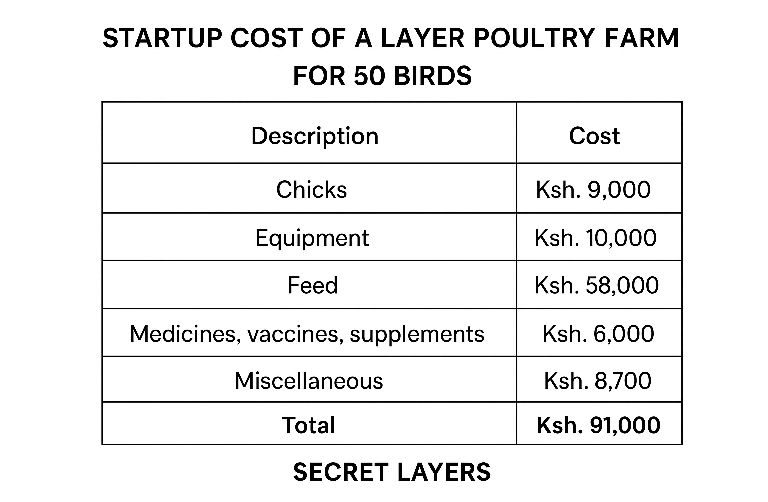
    9,000 + 10,000 + 58,000 + 6,000 + 8,700 = Ksh. 91,000

    This is the estimated cost of starting a layer poultry farm with 50 birds in Kenya in 2025.

    How much does it cost to start a layer poultry farm? This table answers that for 50 birds
    The true startup cost of starting a 50 bird layer poultry farm in Kenya.

    Remember

    ✅ Construction costs (including cages or litter) are not included.


    ✅ I used 60 chicks to cover mortality.


    ✅ Transport costs are added under miscellaneous — most farmers forget this.


    ✅ Feed amounts include spillage and spoilage, which many startup guides ignore.


    ✅ Feed prices are standardized at Ksh. 4,000 per 50 kg bag, an average figure for 2025.


    ✅ A miscellaneous cost (15%) has been added for safety — almost everyone forgets this part.

    Practical Tips To Lower Your Startup Costs

    ✅ Buy feeds in bulk (especially starter and grower mash).


    ✅ Improvise equipment instead of buying everything new.


    ✅ For housing, repurpose an existing structure or use cheap local materials.


    ✅ Negotiate prices and avoid building a fancy chicken house just for show.

    Keeping your setup simple will significantly lower the cost of starting your farm.


    This guide has given you a realistic picture of the cost of starting a layer poultry farm in Kenya.
    With around Ksh. 91,000, you can start small with 50 layers, cover all basic costs, and begin your poultry business confidently.

    Would you start with 50 birds or more?

    Share your thoughts in the comments or tell me how you’re planning your layer poultry farming journey.

    Get this Free Layer Poultry Guide and get our regular Layer Chicken Digest Tips straight to your email.

    Free beginners guide to starting a profitable layer poultry farm. Step by step guide.
    Name
    Limited access. Join other serious farmers who have taken the guide and get support.

    See you next Friday!

    carlosdeche4040@gmail.com

    secretlayerske@gmail.com