Tag: Layer poultry farming

  • 5 Mindset Books Every Farmer Must Read

    Your farm is not your biggest problem.
    Your mind is.

    Jim Rohn once said: “The mind is like a factory. Whatever you think about all day long pours ingredients into this mental factory. Can you imagine pouring trash into this factory every day and expecting a rich, positive life? It can’t be done.”

    That hit me hard the first time I heard it.


    Over the years, I have come to believe one thing. Success in farming — and in life — is 80% mindset and 20% work. That means you win or lose the game before it even starts.


    Most farmers are small not because of bad strategy. Not because they can’t market. And not because they lack systems.
    Those things matter. But they are the 20%.
    The real problem is mindset.


    Some farmers just want a small side hustle. But can a side hustle mindset build real wealth? No. It can’t.


    Others say things like: “I don’t have the capital.” Or: “I don’t have the right connections.”

    What do you mean?
    Who told you that?

    But this is not your mistake. I was there too.

    I believed that rich people were all corrupt. I thought you had to come from money to make money. Those are lies. And the right books will show you exactly that.


    Reading changed everything for me. And in this post, I want to share the 5 best books for that fixed my mindset as a farmer and they can fix yours too.


    This post is a sequel to my earlier post: The 7 Farming Books That Will Make You a Millionaire Farmer.

    1. Think and Grow Rich – Napoleon Hill

    This is the classic starting point. First published in 1937.

    Almost every successful person starts here.
    Napoleon Hill introduced a bold idea. You can think your way to riches. That is the whole heart of mindset.


    In this book, Hill gives 13 steps to riches. These steps cover not just mindset but also planning, persistence, and principles for building wealth.

    Here’s what you’ll learn..

    -Desire is the first step to riches. Not just any desire. Definite desire.


    -That desire must be followed by specialized knowledge and organized planning.


    -Persistence is not optional. It is required.


    -The people around you matter more than you think. Step 9 — the Power of the Mastermind — shows how skilled people are key to your journey.


    -And also, Hill also talks about how you can harness sexual energy to fuel your drive toward riches. That is Step 10.

    I will leave that for you to discover.
    This is one of the best mindset books farmers can use to build wealth.

    2. Rich Dad Poor Dad – Robert Kiyosaki

    Another classic. And one I almost rejected.

    The first time I read this book, I was angry at it. I disagreed with almost everything. Especially the part where Robert says school, degrees, and PhDs don’t make you rich.

    I had a fixed mindset at the time.
    But then reality hit me. I looked around and saw it was true.

    Here’s what Robert teaches..

    -Saying “I can’t do that” keeps most people poor.

    -Asking “How can I do that?” opens doors.

    -The story of his poor but educated biological father versus his rich, less-educated friend’s father shows the clear contrast between how the poor and the rich think.

    How many opportunities have you walked past because you said you couldn’t do it?

    This is one of the best books on business mindset you need as a farmer because it challenges the exact thinking that keeps small farmers small.

    Read it. It is a classic for a reason.

    3. The Millionaire Fastlane – MJ DeMarco

    After the first two books, this one gave me my biggest “aha” moment.

    Publishers rejected this book. They said it was too blunt. So MJ self-published it. And it still became a bestseller.
    That tells you something.
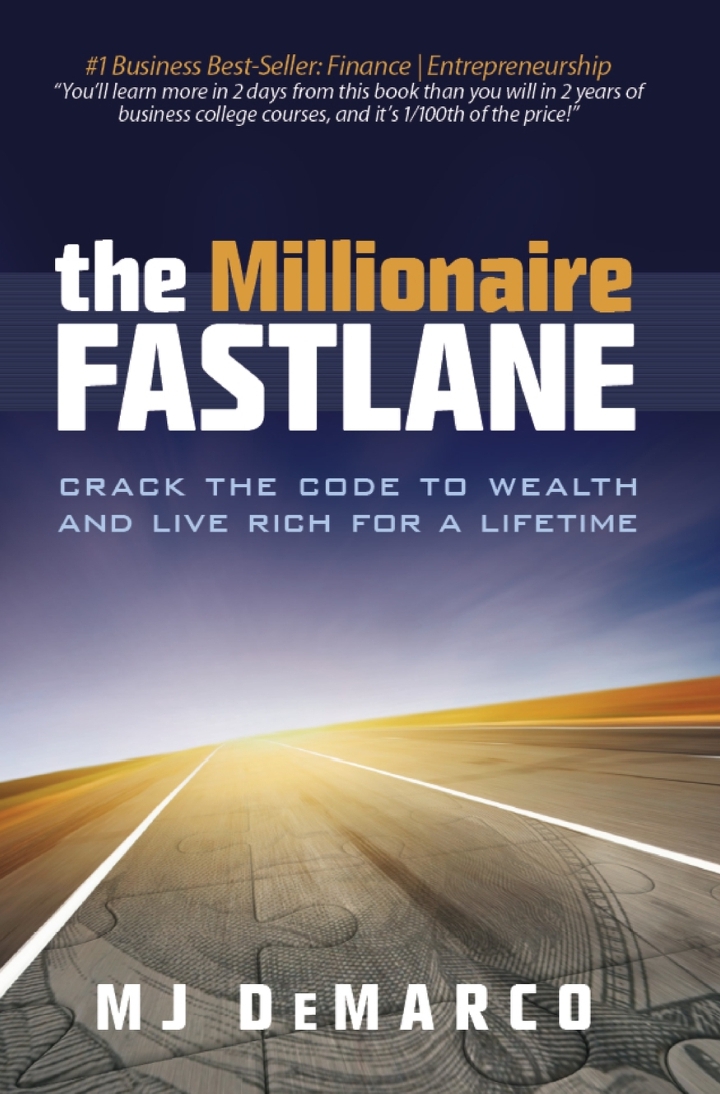
    Books for farmers.The Millionaire Fastlane by MJ Demarco
    The Millionaire Fastlane by MJ DeMarco.
    One of the books that gave me an ‘Aha moment’


    MJ says there are 3 lanes in life:

    The Sidewalk

    The poverty lane. Few people are here, but the number is growing.

    The Slowlane

    The mediocrity lane. Most of the world lives here. And honestly, 99% of farmers are in this lane.

    The Fastlane

    The wealth lane. Very few people are here. And there is a difference between being rich and being wealthy.
    Most so-called rich people are still in the Slow Lane or the Sidewalk.


    As a farmer, your goal is the Fast Lane.
    If you doubt that statement, that is exactly why you need to read this book.

    MJ also gives a clear framework for building a profitable Fast Lane business from scratch.

    This is one of the most powerful business books for any farmer ready to stop playing small.

    4. The Diary Of A CEO – Steven Bartlett

    Steven Bartlett is the founder and host of one of the top business podcasts in the world(The Diary Of A CEO)

    In this book, he shares the 4 pillars of success in business and in life.


    Guess what the first pillar is?
    Self. You. Your mindset. Fix yourself first.

    The other three pillars — story, philosophy, and team — come after that.

    One part of this book stands out for me.
    Steven talks about filling 5 buckets in your life — in this exact order:
    1. Your knowledge
    2. Your skills
    3. Your network
    4. Your resources
    5. Your reputation

    Notice something? Money is not at the top. It’s not even in the list.

    Neither is your product or your market.
    Every great success book points to the same truth. You have to start with yourself.

    5. Entrepreneur Revolution – Daniel Priestley

    This is my favorite book on this list. And my favorite author.

    Daniel Priestley will open your eyes to a big shift happening in the world. And most farmers are completely missing it.

    Some farmers think small. They want 5 acres, a few animals or crops, and to sell to their neighbours. That thinking will keep you stuck.


    Other farmers think too big. They think they need 100 hectares and John Deere tractors and a factory to succeed. That is also wrong.

    Daniel talks about the global small business.

    Here is what that means. Even with 1 acre, you can reach and serve customers all over the world. You can make millions. All through digital media.

    No massive land. No tractors. No factory.

    This is one of the most eye-opening books for small-scale farmers who want to grow beyond their local market.

    If you have ever felt like your farm is too small to matter, this book will completely change your mind.

    The Common Theme

    Have you noticed the pattern in all 5 books?

    These books all start with Mindset.

    Every single one starts with you. Not your land. Not your capital. Not your market.
    You.

    That is the 80%. Fix your mindset first, and the strategies — the 20% — will fall into place.


    These are the best mindset and business books perfect for farmers that I have read. And they have shaped how I think about farming, wealth, and building something that lasts.

    What Next?

    Get a Free Brooding Guide — if your chicks keep dying in the first month of life, this guide will show you exactly what to do.
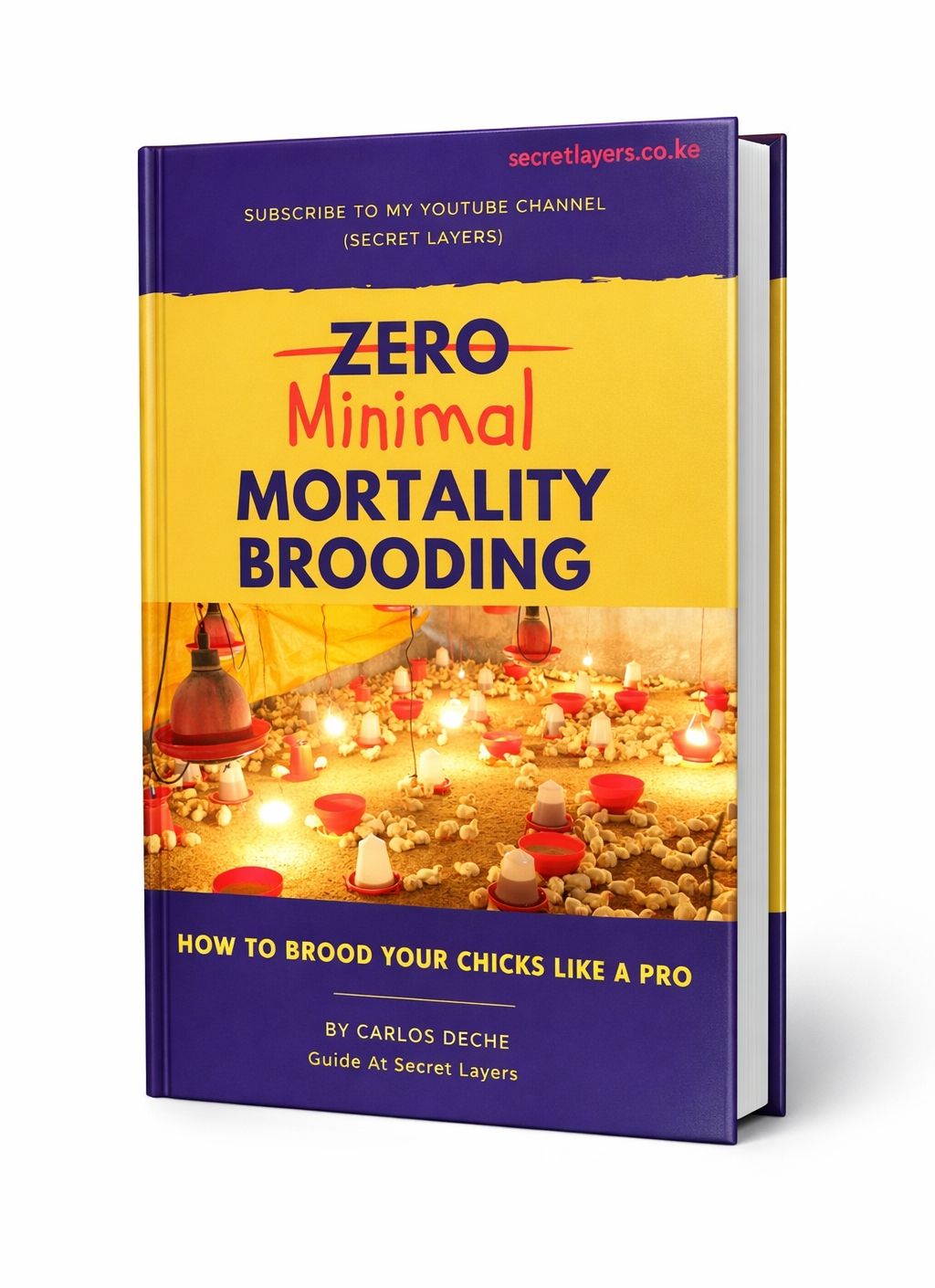
    Free Brooding Guide For Poultry Farmers. Zero (Minimal) Mortality Brooding. How To Brood Your Chicks Like A Pro. By Carlos Deche Guide At Secret Layers
    Name
    Limited access. Join other serious farmers who have taken the guide and get support.

    I am also writing a book on everything you need to know and do before you start your farm.

    It is going to be packed with the mindset frameworks, practical steps, and honest lessons that most farming books skip.

    If you’re reading this after the book is out, make sure you grab a copy.


    See you next Friday!
  • 6 Tips For Feeding Your Chicken And Maximize Your Farm Profits (Layers)

    Many poultry farms are dying because of feed.
    Not disease. Not poor management. Feed.


    And here is the part that will shock you even more — many farms are never even started because of feed.

    The fear of high, unpredictable feed prices scares aspiring farmers away before they buy their first chick.


    Feed accounts for 60 to 70% of total expenses on a poultry farm. It is the single largest cost you will carry. So the fact that it is the number one farm killer? That makes sense.


    This is why layer chicken feeding deserves your full attention. If you buy day-old chicks, you will be feeding those birds for almost two years. Every mistake at the feeder costs you money.


    Here are six feed management tips to protect your farm, your birds, and your profits.

    1. Feeding Time and Frequency

    Feed your hens twice a day. Once in the morning. Once in the evening.


    This works for two reasons.

    First, it fits a working farmer’s schedule. You are home in the morning and home in the evening. No complicated mid-day trips to the farm.


    Second, it reduces boredom. Full crops mean calmer birds. Calmer birds means less cannibalism and fewer injuries.


    One more thing— allow the feeders to go completely empty for about two hours each day.

    The best time is midday, during the hottest part of the day. This reduces heat stress, cuts feed wastage, and pushes your birds to eat more during cooler hours when they are comfortable and active.

    2. Feed Quantity

    Give your birds the right amount of feed for their age. Use the feeding schedule from your feed manufacturer or hatchery. Do not guess.


    Do not underfeed trying to cut costs. Underfeeding leads to lower egg production, smaller eggs, and generally sick birds. You will lose more money than you save.

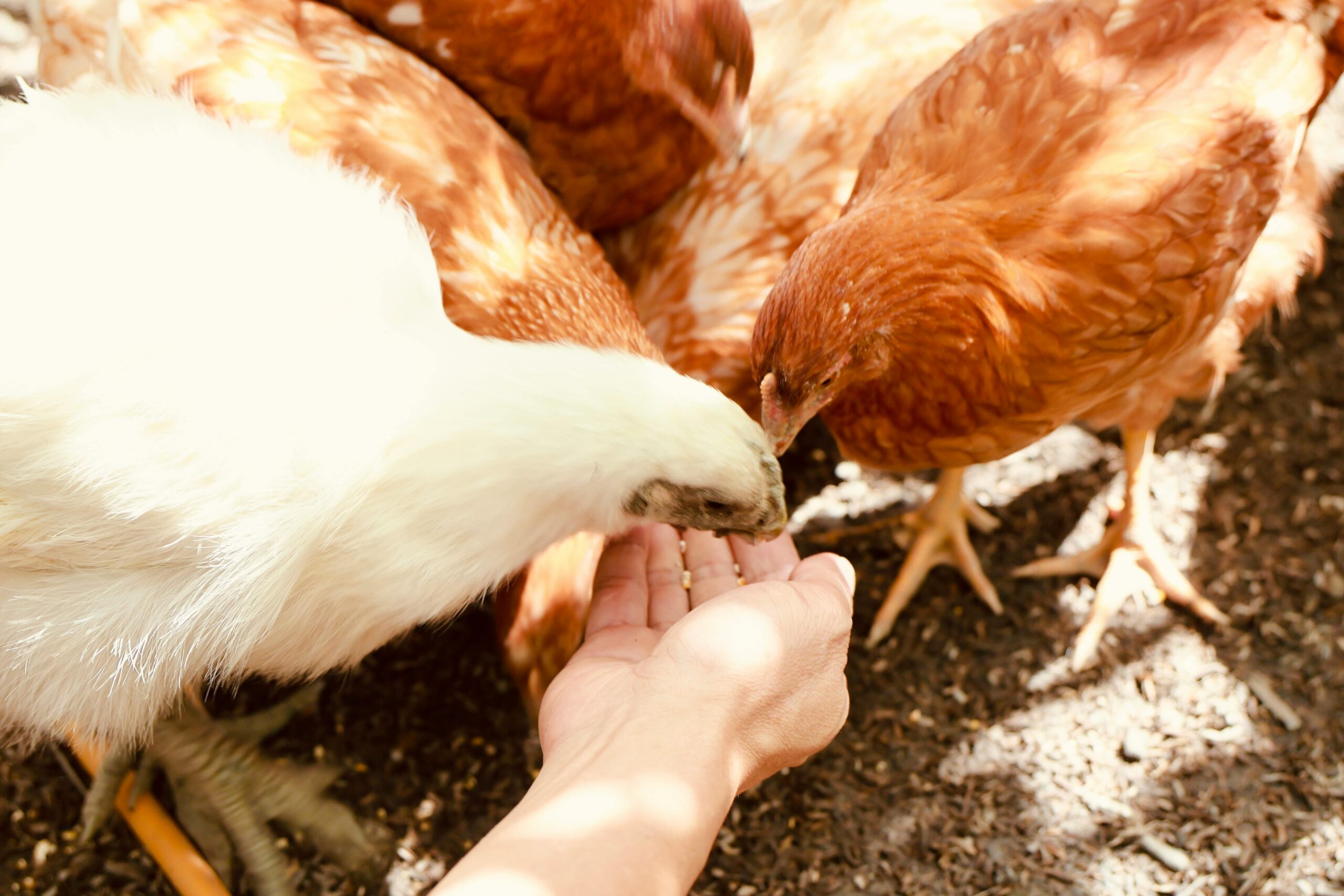
    Feeding chicken by hand.
    Feeding chicken on a farm.


    Do not overfeed either. Obese layers produce fewer eggs. That is not a theory. That is biology.


    Here is a tip most farmers do not know: give 40% of the day’s feed in the morning and 60% in the evening.

    Why? Because calcium from feed is absorbed at night, when the hen is forming the eggshell.

    More feed in the evening means more calcium available when the bird needs it most. Better calcium absorption means stronger shells and better quality eggs.

    3. Feed Quality

    Cheap feed is expensive. Read that again.


    Poor quality feed means poor egg production. Often below break-even.

    Yet very expensive feed can also kill your profits from the other side.

    The goal with layer chicken feeding is to find the sweet spot — good production rate, fair price, healthy profit margin.


    Try different feeds when you are starting out. Record the production results for each one. Then make your own decision based on data, not a salesperson’s pitch.


    Feed companies are in business to make money. Sometimes that is at your expense.

    Choose feeds that work for your farm, not feeds with the most attractive packaging or loudest brand ambassador.

    4. Supplements

    Your layers need more than feed alone.


    Calcium tops the list, especially during the laying phase. Without enough calcium, shell quality drops and birds can develop bone problems.


    Add zinc, vitamins, and amino acids too. These support immunity, bone strength, and consistent egg production.

    If your current feed does not include them, supplement separately.


    Do not skip this step. Supplements are cheap compared to the cost of poor production or sick birds.

    5. Water

    You are right — water is not food.


    That is exactly why it is on this list.
    Water is the most important input on your layer farm. More important than feed.

    Here is proof: if you run out of feed for a day, you can open the coop and let the birds free range. Problem delayed.
    Run out of water? There is no workaround. They will die.


    Ensure your chickens have clean, fresh water available at all times. There is a rule that experienced farmers live by: if you can not drink it, do not give it to your birds.


    Replace water in drinkers daily. Do not let it sit. Still water grows bacteria. Bacteria causes disease. Disease destroys your flock.


    Clean water is the simplest thing you can do for your birds. No excuses.

    6. Feeder And Drinker Management

    Imagine I invited you for dinner. Your favorite meal, perfectly cooked. But I served it on a dirty, crusted plate.
    Would you eat it?


    Your layers will. They have no choice. But dirty feeders and drinkers are dangerous. Mold and harmful bacteria accumulate fast. Once your birds ingest them, disease follows.


    Clean your feeders and drinkers thoroughly once a week.

    Use clean water, soap, and disinfectant.

    Let them air-dry completely before use.

    And if a feeder is visibly dirty before the week is up, clean it. Common sense overrules the calendar.

    A few more tips for drinkers and feeders setup:

    Fill feeders only halfway. Birds that eat from overfilled feeders spill feed. That spilled feed is wasted money. Half-full feeders ration the portion and reduce waste.


    Raise feeders to neck level. Adjust as the birds grow. This reduces spillage and keeps litter out of the feed.


    Space feeders evenly. No bird should walk too far to reach food or water. Poor spacing triggers competition, stress, and energy loss — energy that should be going into egg production.


    Use enough feeders and drinkers. Not too few to cause crowding. Not too many to make cleaning a burden.


    Remember: biosecurity is your first vaccination. Clean equipment is part of biosecurity.

    ….


    Layer chicken feeding is not complicated. But it demands consistency, observation, and discipline.


    Get the timing right. Get the quantity right. Get the quality right. Keep the water clean. Keep the equipment clean. Add the supplements your birds need.


    Do those six things well and your layers will reward you with steady production, strong shells, and a profitable farm.

    If you’re struggling with brooding your day old chicks,

    I put together a Free Brooding Guide covering how to prepare for chick arrival, how to receive day-old chicks, and the 8 brooding principles every farmer needs to know.

    Grab your Free copy here👇🏿

    Free Brooding Guide For Poultry Farmers. Zero (Minimal) Mortality Brooding. How To Brood Your Chicks Like A Pro. By Carlos Deche Guide At Secret Layers
    Name
    Limited access. Join other serious farmers who have taken the guide and get support.


    See you next Friday!

  • Why It Might Be Time To Quit Farming And Walk Away – Sunk Cost Fallacy

    What if I tell you maybe it’s time you actually killed that farm of yours.

    Yes. It might be time to sell everything.
    The birds. The animals. The houses. Maybe even walk away and start something new.

    I know. That sounds crazy coming from me.

    For the last 8 months I have been writing this blog, I have shown you my farming journey.
    I have shown you how farming can make you money. I have shown you how it can ultimately give you financial freedom.

    But today, let’s look at things from a different angle.

    Something Strange Was Happening

    Many years ago, economists noticed something odd.
    New businesses were losing money. A lot of money. More than they should.

    You might say — “Carlos, that’s normal. My small business hasn’t made a profit in six months.” And you’re right. Losses happen.

    But this was different.

    These businesses kept losing money for a long time. Way longer than made sense.


    That made the economists ask:
    Didn’t they see it happening?
    Couldn’t they spot the pattern?
    What were they waiting for?

    Then they noticed something else. Governments were doing the same thing. Losing money. Money that could have been saved if someone had acted sooner.

    That’s when the name Sunk Cost Fallacy was coined.

    The Sunk Cost Fallacy

    What Is The Sunk Cost Fallacy?
    It is simple.
    It is when you keep doing something because of what you have already put into it instead of looking at the outcome.
    Even when it is clearly not going to work.

    Time. Money. Effort.

    Here are some good examples..
    You keep watching a boring movie. Why? Because you already paid for it.

    You stay at a job you hate. Why? Because you have already been there 10 years — even though there is no promotion coming.


    You stay in a bad relationship. Why? Because you have already been together for 2 years.

    That is the sunk cost fallacy.

    The $9 Million Board Meeting

    Here is what it looks like in a real business.

    A company puts its best people, its money, and two years into a new product. The product flops. Almost no one buys it. The few who do won’t even tell their friends about it.

    So they have a board meeting..

    Person 1: We should kill this project. It is not working.


    Person 2: I agree. The market doesn’t want it.


    Person 3: But we have already put in so much time. (The beginning of the sunk cost fallacy)


    Person 4: Yes. And so much money. This is one of our biggest projects ever.


    Person 5: Think about all those 20-hour days we worked. Remember the commitment we made?

    They decide to keep going.
    At this point, they have lost $1 million.

    13 Months Later…

    Person 1: I think we should shut it down. It’s not going to work.


    Everyone else: Yeah. Kill it.

    Short meeting. But now they have lost $10 million.

    Why didn’t they stop at the first meeting?

    Sometimes Quitting Is The Right Move

    I believe in hard work. I believe in not giving up.

    But sometimes, quitting is the smartest thing you can do.

    A job. A career. A business. A project.
    Codie Sanchez, author of Main Street Millionaire, once said on her X page: “Quitters are winners.”

    Controversial? Yes. But think about it.

    Winners quit their bad habits. Their bad friends. Their bad environments. Their bad jobs. And then they go on to win with better ones.

    That is what she meant.

    Farmers Are Not An Exception

    Many farmers keep pouring money into a farm that makes zero profit. Whether it’s poultry, livestock or crops. It doesn’t matter.

    The scariest part? Most of them don’t even know they are losing money.

    If that is you right now — it might be time to put the hoe down and walk away.

    African man crying used to illustrate sunk cost fallacy.
    Maybe it’s time to quit that farming project and look for other viable opportunities.

    So How Do You Know When To Quit?

    Here are four things to ask yourself.


    1. Do you hate what you are doing?

    Pushing through something you hate helps no one. Not you. Not the people around you. Find something you actually like doing.


    2. Have you truly tried everything?

    Most people quit too early. They try 10 things and say “it didn’t work.” You need to try an unreasonable number of things first. Different methods. Different tactics. Different experts. Then, if nothing works — you have your answer.
    This is the most important one.


    3. Ask yourself: would I start this again today?

    Forget the past. Forget the money and time you already spent. If you were starting fresh today — would you choose this again?
    If the answer is no, that tells you something.


    4. Set your “kill criteria” before you start.

    Before you begin anything — a farm, a business, a project — decide in advance what will make you walk away. Write it down. When you hit that line, you walk. No guilt. No regrets.


    (This is one of the topics I’m considering to put in the farming bool I’m writing – Before You Farm. Tell me what you think in the comments)


    Quitting Doesn’t Make You A Quitter. It Makes You A Pivoter.

    Walking away from something that is not working does not make you weak.
    It makes you smart.

    For a deeper look at this topic, I recommend the book “Quit: The Power of Knowing When to Walk Away” by Annie Duke.


    What are your personal thoughts on quitting? Drop your thoughts in the comments.

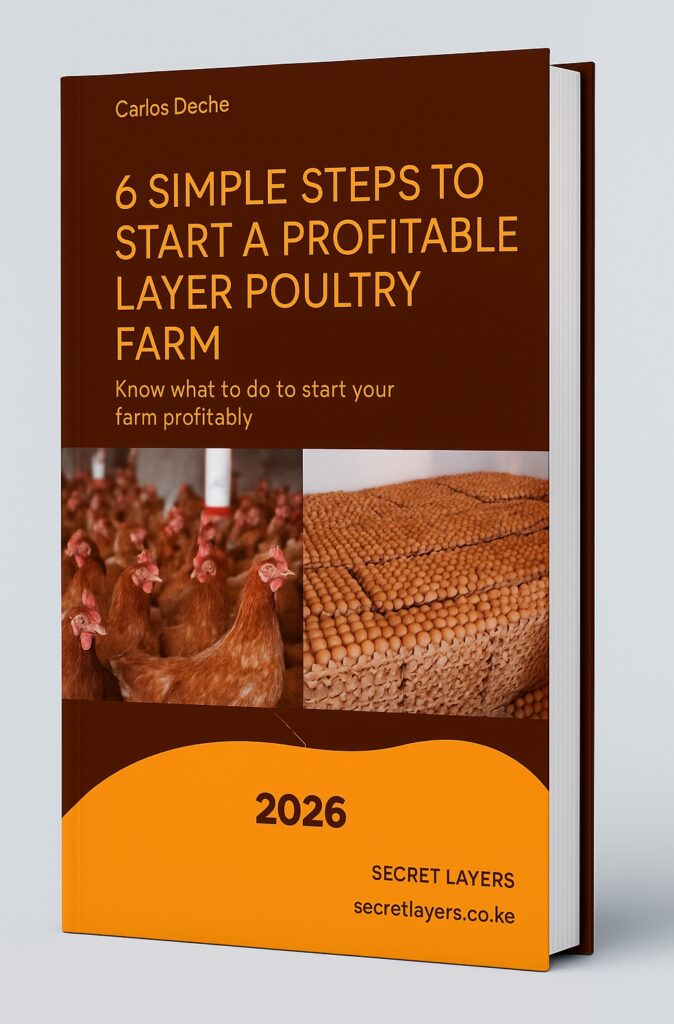
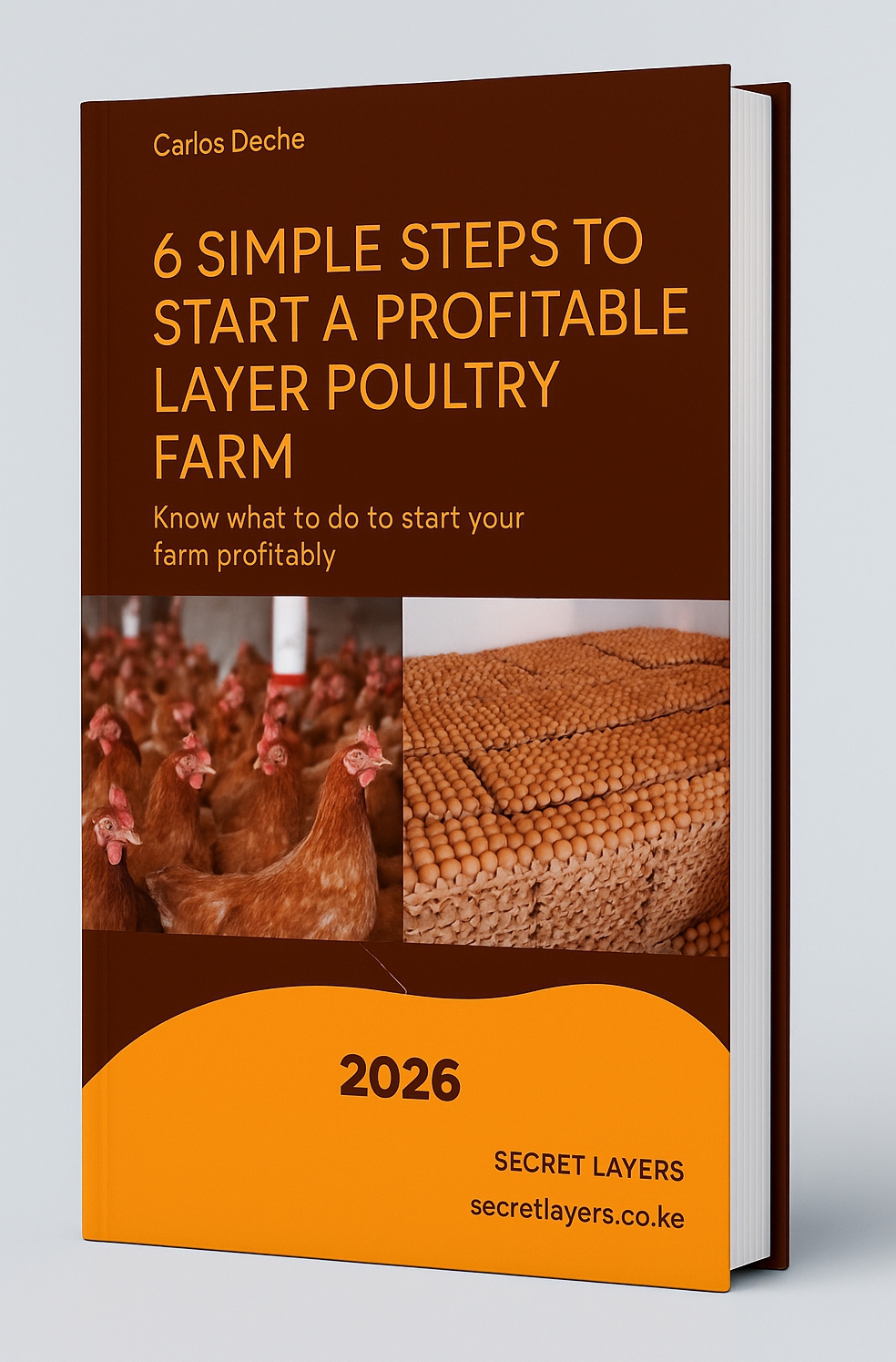
    If you want to learn how to start and run a layer poultry farm profitably — grab the Free Ebook below👇🏿

    Name
    Limited access. Join other serious farmers who have taken the guide and get support.


    See you next Friday!

  • Should You Really Vaccinate Your Chicken? The Truth!

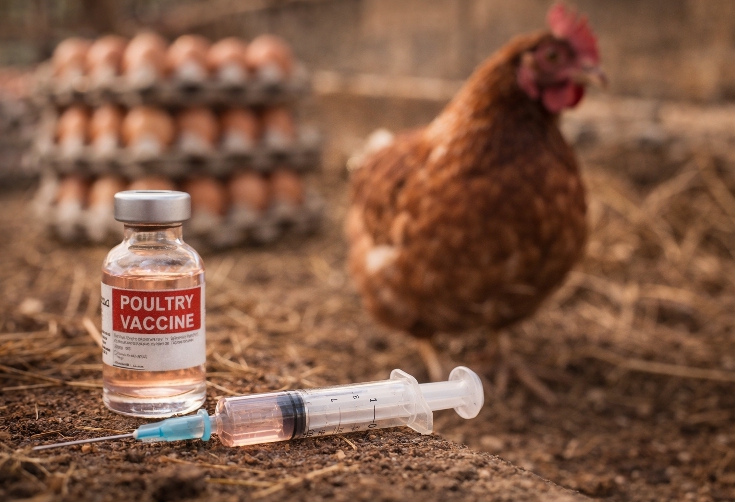
    Should you vaccinate your chicken or not?

    That question has been debated for many years among poultry farmers.
    Although many people think the answer is obvious, the reality on the ground tells a different story.


    Before we go further, let me ask you something.

    Did you get the COVID-19 vaccine?

    If you did, did you complete all the doses?

    As of late 2024, about 70% of the global population received at least one COVID-19 vaccine dose. However, in many low-income countries like Kenya, only about 38.9% received even the first dose.

    Therefore, vaccine hesitancy is not just a chicken problem. It is a human problem too.

    For the record, I received my full COVID-19 vaccination.

    Because I am in my final year of medical school at the University of Nairobi, I understand how vaccines work in both humans and animals.

    Now, let us apply those same principles to poultry farming.


    In this article, I will:

    Explain how vaccines work.


    Address common concerns about chicken vaccination.


    Give five clear reasons why you should vaccinate your chickens.


    Share practical tips to avoid costly mistakes.


    Ultimately, the final decision is yours. However, I encourage you to read carefully so you can protect your birds, your customers, and your profits.

    How Do Vaccines Work?

    Let me simplify how vaccines work.

    Normally, when a disease attacks a chicken, the body produces “soldiers” (antibodies) to fight the virus, bacteria, or parasite. If the chicken’s immunity is strong, those soldiers destroy the disease before serious signs appear.

    However, when immunity is weak, the disease multiplies. As a result, the chicken becomes sick and may die.

    Fortunately, when a chicken survives an infection, the body keeps memory cells. Because of that memory, the body can respond faster if the same disease attacks again.


    So how does a vaccine help?

    Simply put, a vaccine contains a weakened or killed form of a disease. When you give it to a healthy bird, the body produces soldiers without causing full disease.

    Later, if Newcastle disease, Gumboro (Infectious Bursal Disease), Fowl Pox, or Infectious Bronchitis attacks, the bird is already prepared.

    Consequently, the immune system responds quickly and strongly.
    That is the basic science behind chicken vaccination.

    Layer Chicken Vaccination
    Despite what you might have heard, vaccinating your chicken is more beneficial than harmful and honestly, a MUST.

    5 Common Concerns About Poultry Vaccination

    Although vaccines are widely used in layer poultry farming in Kenya, many farmers still have concerns.

    Let us address them honestly.

    1. Vaccines Make Birds Sick And Kill Them

    Yes, vaccines can cause mild reactions. However, serious death from vaccines is rare when birds are healthy.

    In most cases, problems happen because:

    The birds were already sick.

    The wrong dosage was used.

    The vaccine was poorly stored.

    Biosecurity was weak.


    Therefore, proper poultry biosecurity and correct handling are critical.

    2. Vaccines Do Not Work

    It is true that vaccines are not 100% effective. However, no medical intervention in the world is 100%.

    Even so, vaccinated flocks have much lower mortality during outbreaks of Newcastle disease or Gumboro compared to unvaccinated flocks.

    In other words, vaccination reduces risk. It does not eliminate risk completely.

    3. Vaccines Contaminate Eggs And Meat

    Some farmers worry that vaccines remain in the chicken’s body and make eggs unsafe to eat.

    However, approved poultry vaccines are tested for safety. Most do not remain in meat or eggs in harmful amounts when used correctly.

    In fact, vaccination often improves food safety by reducing diseases like Salmonella that can contaminate eggs.Therefore, following proper dosage and observing recommended guidelines ensures both bird health and consumer safety.

    4. Vaccines Are Expensive

    Some farmers believe chicken vaccination increases production costs.
     
    At first glance, that concern makes sense because every input on a poultry farm affects profit.However, vaccines usually make up a very small percentage of total farm costs.
     
    In most layer poultry farms in Kenya, vaccination costs are only a small fraction of feed, housing, and labor expenses.
     
    Therefore, the real question is not “Are vaccines expensive?”
     
    Instead, the better question is, “Compared to what?”
     
    Because disease outbreaks like Newcastle disease or Gumboro can wipe out an entire flock, skipping vaccination is often the more expensive decision in the long run.
    We will look at the actual numbers shortly.

    5. Conspiracy Theories

    Some people say vaccines are brought to kill our birds so that large companies control the egg market.
     
    Others claim vaccines are just a money-making scheme.
     
    However, these simply lack evidence and cannot be supported.

    So, Should You Vaccinate Your Chicken?

    Yes.
    Here are five practical reasons:

    Get this Free Layer Poultry Farming Ebook straight to your inbox if you want to start a profitable farm:

    Free beginners guide to starting a profitable layer poultry farm. Step by Step guide.
    Name
    Limited access. Join other serious farmers who have taken the guide and get support.

    1. To Prevent Disease

    Vaccines were created to prevent disease before it destroys lives or flocks.
     
    For example, vaccination helped eliminate polio in humans and reduce tetanus worldwide.
     
    Similarly, using a proper chicken vaccination schedule protects your birds from deadly poultry diseases.

    2. To Reduce Mortality

    When your birds are protected, fewer die during outbreaks. Meanwhile, unvaccinated farms suffer heavy losses.
     
    Imagine an outbreak of Infectious Bronchitis in your area. In that situation, vaccinated birds are far more likely to survive than the unvaccinated flocks.

    3. Herd Immunity

    When most birds in a flock are vaccinated, disease spreads more slowly. As a result, even birds that missed vaccination may have some protection.
     
    Nevertheless, you should always aim to vaccinate the entire flock properly.

    4. Better Quality Produce

    Food safety matters.
    Although salmonella contamination is a known global problem, proper vaccination and good hygiene reduce the risk significantly.
     
    In fact, some egg buyers and large distributors require proof of a proper chicken vaccination schedule before purchasing eggs.
     
    Therefore, vaccination supports both public health and market access.

    5. To Save And Make Money

    Every poultry farmer is in business to make profit.

    Because disease reduces egg production, increases mortality, and raises treatment costs, it directly eats into your income. Vaccination protects your cash flow.

    Let us look at the numbers..

    Ksh 5,000 for vaccines or Ksh 200,000 loss from total flock death.

    Ksh 5,000 for vaccines or Ksh 50,000 spent on treatment.

    Ksh 5,000 investment or Ksh 500,000 lost egg income over two years.

    Clearly, this is not just about disease prevention. It is about protecting your business.

    As the saying goes, if education is expensive, try ignorance.

    Likewise, if vaccines seem expensive, try treating Newcastle.

    Practical Tips For Vaccinating Your Chicken

    First, remember that proper biosecurity is your strongest protection.

    Second, consult a local poultry vet about common diseases in your area.
     
    Third, vaccinate birds before they get sick. Vaccines prevent disease; they do not cure it.
     
    Finally, get a clear vaccination schedule from a reputable day-old chick supplier.

    Now You Have The Facts

    At this point, the decision is yours.
     
    However, if you are serious about layer poultry farming in Kenya, protecting your flock should be a priority.
     
    So ask yourself again: Should you vaccinate your chicken?
     
    If your goal is healthy birds, safe eggs, and steady profits, the answer is clear.
     
    If you found this helpful, read my detailed guide on the best layer chicken vaccination schedule for layers to choose the one that fits your farm.

    See you next Friday!

    carlosdeche4040@gmail.com

    secretlayerske@gmail.com

  • The Story Of The Chinese Farmer And The Horse


    This is a parable from ancient China that teaches us that things are neither good nor bad. They just are.

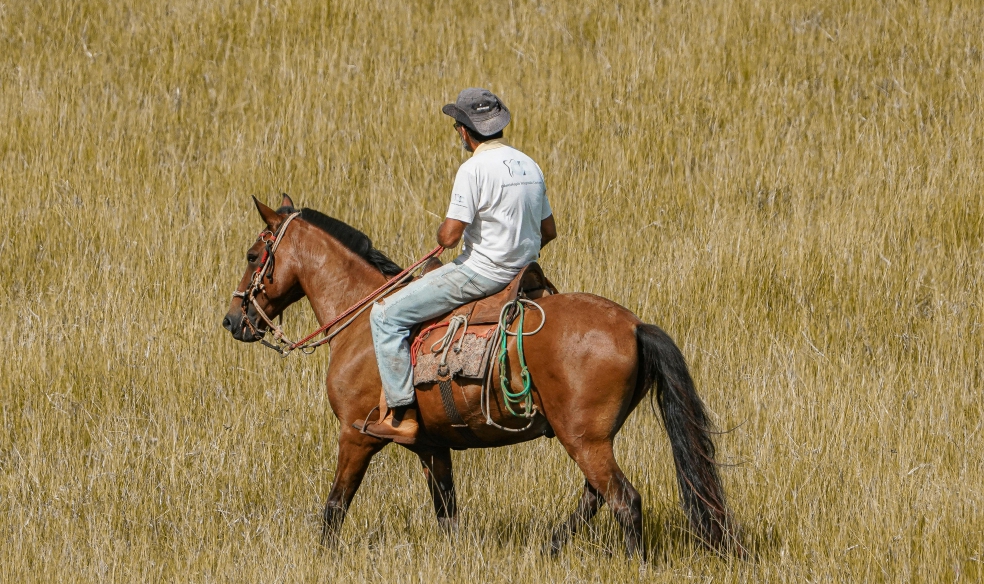
    A farmer on a horse
    An image illustration of the Chinese farmer’s eldest boy on a horse


    A farmer in a rural Chinese village bought a horse and brought it home.
    Early the next morning, as he was feeding the horse, it ran away. His neighbors felt sorry for him. They gathered around his farm and said, “We’re so sorry. How unlucky.”

    The farmer calmly replied, “We’ll see.”


    Just before sunset the next day, the horse returned with seven wild horses. The farmer and his family were very happy. The neighbors came back, smiling. “Oh, you’re so lucky! You now have eight horses. Your farm will grow quickly.”

    The farmer replied, “We’ll see.”


    Three days later, the farmer’s eldest son tried to ride one of the wild horses. He couldn’t control it, and the horse threw him over. The boy fell on the rocks and broke his leg. The neighbors said, “You’re so unlucky. The horses weren’t blessings at all. Poor boy. Poor family.”

    The farmer simply said, “We’ll see.”


    The following day, war broke out in the country. The king’s officers came to recruit young men for the army. The farmer’s son was rejected because of his injury. All the neighbors ran to him, saying, “Oh my God! Your son was spared. That’s so fortunate. How lucky!”

    The farmer replied, “We’ll see.”


    Life events are not inherently good or bad. They just happen. Many times, we try to assign meaning to them. We label events as good or bad. In reality, they don’t make sense in isolation.

    Only after time passes, when you look at the bigger picture, does their meaning become clear.

    Why Did I Write This Story On A Layer Poultry Farming Blog?

    Things will happen in your life and on your farm. More than anything, you need a strong mind to get through these situations, whether they seem good or bad.


    You’ll have good seasons, high production, and strong prices. Other times, you may face disease outbreaks, feed price hikes, personal emergencies, or very poor production.

    That doesn’t mean you try to assign meaning to each situation. Instead, focus on solving the problem at hand or enjoying the success at hand.

    That’s all that matters.


    To learn more about resilience in farming, you need to know about DR.STARR a successful layer poultry farmer.

    Get this Free Layer Poultry Farming Guide to learn how to start and run your layer poultry farm profitably.

    Free beginners guide to starting a profitable layer poultry farm. Step by step guide.
    Name
    Limited access. Join other serious farmers who have taken the guide and get support.

    See you next Friday!

    carlosdeche4040@gmail.com

    secretlayerske@gmail.com

  • Why You Should add Value To Your Eggs

    We already covered the 6 proven ways you can add value to your eggs.

    And in this post, I’m going to tell you why I’m going to add value to my eggs — and why I you should too. Hopefully you’ll see what I see in value addition and be inspired to do more.

    Eggs value addition can transform a normal poultry farm into a highly profitable agribusiness. Because most farmers only sell raw eggs, value-added products immediately set you apart.

    Additionally, the process unlocks better markets, higher margins, and long-term stability for your layer poultry farming business.


    1. Value Addition Helps You Make More Money

    For example, a tray of eggs sells for Ksh.350–500. However, that same tray can produce five bottles of 350ml liquid eggs. Each bottle sells for around Ksh.350 (2020 pricing)

    Therefore, one tray becomes Ksh.1,750 instead of Ksh.500.

    And you get a decent profit percentage after you deduct the costs.

    Would you want 10% of Ksh.1750 per tray or 10% of Ksh.500?

    Moreover, this simple shift allows you to increase profits without buying more chickens. Farmers who embrace eggs value addition often discover new income streams that keep their farms stable throughout the year.

    2. Value Addition Allows You To Offer More Quality And Safety

    Packaged egg powder
    An example of dried eggs(Egg powder)
    Perfect for bakeries.

    Raw eggs spoil quickly, usually within 30 days. Meanwhile, pasteurized liquid eggs last much longer and reduce contamination risks like salmonella. Consequently, bakeries, restaurants, hotels, hospitals, and institutions prefer them.

    Egg powder goes even further. It supports pharmaceutical companies, food manufacturers, and other large industries. Because these markets value consistency, they become reliable buyers. This level of quality is difficult to achieve without eggs value addition, and customers appreciate the difference.

    3. Value Addition Keeps Competition Low

    Everyone sells table eggs. However, very few farmers produce liquid eggs, egg powder, or premium processed products. As a result, you enter markets with almost no direct competition. Early adopters benefit from higher demand, stronger pricing power, and better visibility.

    Eventually competition may grow, but farmers who start now position themselves as leaders long before the rest join.

    4. Value Addition Attracts Better Customers

    Cheap products usually attract difficult customers. Premium products, on the other hand, bring in professional clients who value quality and understand pricing. Consequently, you begin working with bakeries, caterers, institutions, supermarkets, and manufacturers.

    These customers buy in bulk, pay promptly(if not, their terms are favourable), and remain loyal. Since they prefer stable suppliers, your revenue becomes more predictable.


    5. Value Addition. Creates Deep Fulfilment And Purpose

    Farmers who practice eggs value addition often experience a stronger sense of purpose. Imagine supplying powdered eggs to companies or delivering safe liquid eggs to marginalized communities. Even better, imagine employing dozens of people because your processing unit keeps expanding.

    All these achievements create fulfilment because your poultry farm begins to serve a larger purpose. Impact grows alongside income.

    6. Value Addition Is More Fun

    New challenges make the farming journey more enjoyable. Innovation brings learning, creativity, and growth. Because value addition involves testing, improving, and building new products, every step becomes exciting.

    Even difficult days feel meaningful when you are building something bigger than a tray of eggs. Fun is a powerful motivator, and value addition brings plenty of it.
    ‎And as you know  fun is one of the core values of secret layers.

    ‎If it’s not fun we won’t do it – just like Sir Richard Branson says.

    If you want support as you begin your eggs value addition journey, register for my Regular Layer Chicken Digest tips and get a Free Layer Poultry Guide.

    Free beginners guide to starting a profitable layer poultry farm. Step by step guide.
    Name
    Limited access. Join other serious farmers who have taken the guide and get support.

    You’ll get practical tips, strategies, and business insights that help you grow a profitable, resilient, and impactful poultry farm.

    See you next Friday!

    carlosdeche4040@gmail.com

    secretlayerske@gmail.com

  • Day Old Chicks Vs Point Of Lay


    You’re probably wondering which is more profitable between day old chicks and point of lay birds. Every farmer has an opinion, and you’ve likely heard many. Today, let’s settle this once and for all.

    Before we start, to get the most out of this post, read this guide first:


    👉 5 Things You Should Know Before Starting Layers Farming


    This will help you decide which option suits your farm best.

    In this post, we’ll compare day old chicks (DOC) and point of lay (POL) birds, looking at their advantages and disadvantages. By the end, you’ll know which one fits your goals — whether you want to learn, save time, or make quick profits.


    1. Learning Opportunity

    Raising day old chicks gives you a valuable learning experience that point of lay birds do not. Starting with DOC means you learn everything — brooding, feeding, vaccination, and general poultry management. You’ll understand your birds from the first day until they start laying eggs.

    On the other hand, buying POL hens skips this stage. You get birds ready to lay, but you miss the practical lessons that build your confidence as a poultry farmer.

    If you want fast cash, POL may suit you. However, if you want long-term mastery, DOC offers better training and experience.


    2. Time Investment

    Raising day old chicks takes more time compared to point of lay birds. With DOC, you must care for them for around 18 weeks before they start laying. Those first 5 months are the most crucial and demanding in a bird’s life.

    Meanwhile, POL hens save you that time. Since they’re already mature, they can start laying eggs within a week or two after purchase. Therefore, you begin earning faster, which is ideal for farmers focused on quick returns from their egg production business.

    3. Skills Required

    Handling day old chicks requires more skill than managing point of lay hens. Brooding demands knowledge of temperature control, feed management, and a proper vaccination schedule for layers. Any mistakes at this stage can lead to high chick mortality.

    In contrast, POL layers need fewer technical skills. You mainly feed them, maintain clean housing, and continue a few vaccinations. This makes them suitable for beginners or part-time poultry farmers who have little experience.

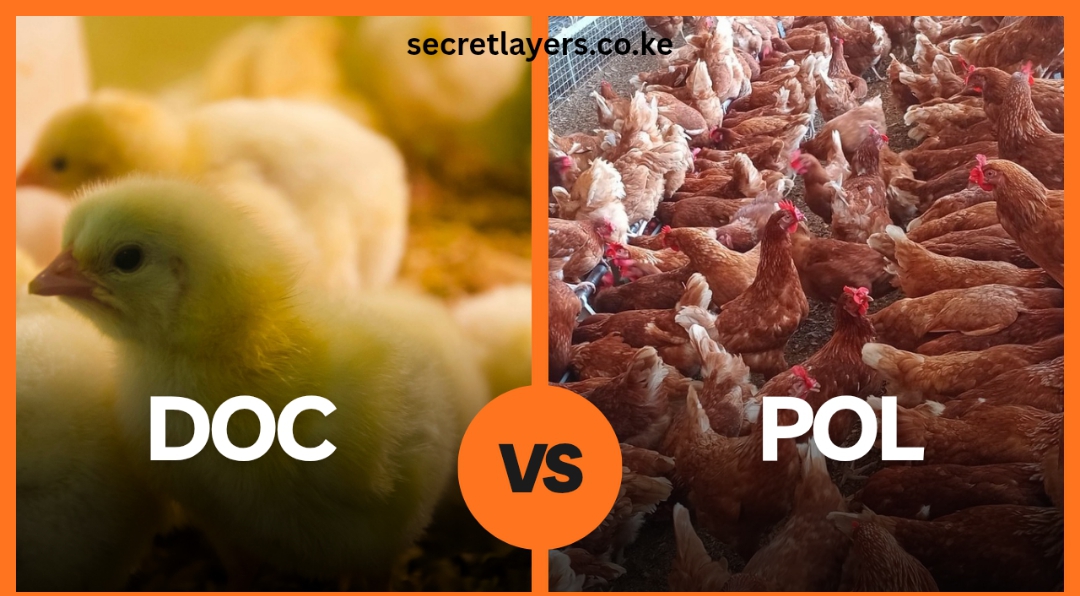
    Day old chicks vs Point of lay image
    Day old chicks vs Point of lay birds

    4. Cost Comparison

    At first glance, buying point of lay birds seems expensive. In 2025, day old chicks cost around Ksh.150 each, while point of lay birds range between Ksh.800 and Ksh.1,500 depending on the age and seller.

    However, when you consider the total cost of rearing DOCs — feed, brooding equipment, electricity, and vaccines — the expenses can add up. Raising them to the point of lay costs much more than buying ready-to-lay birds. So, while POL looks pricey upfront, it can save you time and early-stage costs.


    5. Profit And Return Potential

    The return potential for day old chicks can be higher once you master your system. Initially, it seems easier to buy point of lay hens and start earning immediately. Yet, experienced farmers know that once you perfect your brooding and reduce mortality, profits from DOC can surpass those from POL.

    That’s because you can grow your own chicks, sell some as point of lay to other farmers, and even brood chicks for clients at a fee. These extra income streams make DOC a strong long-term business strategy.


    6. Risk Level

    Every poultry venture has risks. With day old chicks, the main risk is high mortality during brooding. If you lack experience or proper housing conditions, losses can occur quickly.

    On the other hand, point of lay birds come with hidden risks. You may not always know their real age, vaccination history, or overall health status. If you buy from unverified suppliers, you risk bringing diseases to your farm. Always source your POL hens from trusted, certified farms to avoid these issues.


    7. Sourcing And Availability

    Sourcing day old chicks is generally easier. Kenya has many verified hatcheries supplying healthy DOCs every week. You can book and collect your chicks without much hassle.

    However, finding reliable point of lay birds can be stressful. You may need to buy from different farmers to reach your desired number. That process takes time, increases risk, and sometimes affects flock uniformity — an important factor in layers egg production.


    8. The Fun Factor

    If it’s not fun, we’re not doing it — that’s one of our core values at Secret Layers. Raising day old chicks is much more rewarding and exciting than buying point of lay birds. Watching your chicks grow from tiny neonates to full layers gives unmatched satisfaction.

    For farmers who enjoy seeing results from their hard work, DOC farming brings more joy. But if you prefer less hustle and instant results, POL might suit you better.


    9. Business Opportunity (Bonus)

    There’s a growing business opportunity in point of lay production. Many farmers buy day old chicks, raise them to POL, and then sell them at a profit. Others brood chicks for clients for a fee, turning their poultry knowledge into an extra income stream.

    Therefore, whether you choose DOC or POL, the key is to plan your farm as a real business, not just a hobby.


    Both day old chicks and point of lay birds can be profitable depending on your goals, experience, and resources. If you want to learn and build a long-term business, start with DOC. But if your priority is fast income with minimal effort, go for POL.

    I’ll soon share a detailed post on what I personally chose — and why. Watch out for it!

    Get my Free Layer Poultry Farming Guide here👇🏿

    Just register and I’ll send it straight to your inbox.

    Free beginners guide to starting a profitable layer poultry farm. Step by step guide.
    Name
    Limited access. Join other serious farmers who have taken the guide and get support.

    See you next Friday!

    carlosdeche4040@gmail.com

    secretlayerske@gmail.com

  • The 8 Brooding Principles Every Poultry Farmer Must Know

    Brooding chicks is the make-or-break stage for any poultry farmer. Get it wrong, and you could lose over 80% of your flock — that’s future profit gone. Get it right, and mortality drops to below 5%, which is the accepted standard in poultry farming.

    If you’ve ever struggled with brooding or just want to perfect your skills, this guide is for you. You’ll learn the 8 essential brooding principles that ensure healthy chicks and minimal losses — from temperature control to security.

    I’ve referenced layers in this post because that’s all Secret Layers is about. But, whether you’re into layer poultry farming or broilers, these principles apply to all. Only slight timing and quantity adjustments differ. Let’s dive in. 🐥


    1. Temperature Regulation

    Temperature control is the heart of brooding chicks. It ensures your birds stay comfortable, active, and healthy.

    Start your brooding temperature at 28–30°C on day one, then reduce by about 2°C every week. However, always follow your hatchery’s specific temperature guidelines — some breeds may vary.

    Monitor temperature daily using a thermometer. But also read your chicks’ behavior:

    Crowded near heat source: Too cold — increase heat.

    Far from heat source: Too hot — reduce heat.

    Evenly spread: Perfect temperature
    .


    Consistent temperature management during the brooding period prevents heat or cold stress and sets the foundation for strong growth.

    Day old chicks starting their brooding phase.They have everything they need - light,heat for temperature,feed and water.
    Master your brooding. Master your your profits. See the various aspects of brooding present in this setup.

    2. Lighting

    Light is more than visibility; it affects chick behavior and growth. During the first week, provide 24 hours of light to help chicks find feed and water easily. This continuous light encourages constant feeding, which supports rapid growth.

    As they grow, gradually reduce light to about 18 hours a day by the end of the brooding period. However, avoid bright or harsh lighting — it may trigger feather pecking or cannibalism.

    Proper lighting promotes calm, active feeding behavior and balanced growth — vital for your chicks.

    3. Feed And Water

    In chicken farming, feed and water are everything. Healthy chicks depend on consistent access to clean water and quality feed.

    Keep feeders and drinkers filled and refreshed regularly. Chicks need feed available at all times, especially during the first few weeks. As they grow, increase the feed amount gradually to match their size and appetite using supplier standards.

    Use starter mash from trusted suppliers and avoid cheap, low-quality feeds that may harm your birds’ long-term production. Feed too little and they’ll starve or weaken; feed too much and you’ll waste money or cause obesity.

    For water, remember: if you can’t drink it, don’t give it to your chicks. Provide clean, fresh water at all times to prevent disease.

    4. Disease Management

    Diseases are the most unpredictable threat in poultry farming. They strike without warning and can wipe out an entire flock in one day. To protect your chicks, you must combine vaccination and biosecurity.

    Vaccination

    Follow a proper vaccination schedule from your hatchery or local vet. Vaccines are for prevention, not cure. Therefore, vaccinate even when your chicks appear healthy.

    Biosecurity

    Prevent disease entry and spread by enforcing strict hygiene:

    ✅Disinfect before entering the brooder.

    ✅Limit access to authorized personnel only.

    ✅Clean feeders and drinkers daily.

    ✅Control pests like rats and mites.

    ✅Isolate and treat sick birds immediately.


    Following these steps reduces disease risks and keeps your flock safe and productive.

    I’ll publish a post on all the biosecurity measures to enforce on your farm soon.

    5. Litter Management

    Litter provides warmth and comfort — but if poorly managed, it can kill your chicks. Keep it dry and fluffy, removing wet or caked areas regularly. Wet litter breeds germs and raises ammonia levels, which can harm chicks’ respiratory systems.

    The brooding period for layers lasts about six to eight weeks, so complete litter changes may not always be necessary. However, if it becomes too wet or muddy, change it immediately. Regularly turning the litter keeps it dry and healthy.

    Proper litter management means cleaner air, fewer diseases, and happier chicks.


    6. Spacing

    Did you like high school? Remember how good it felt when you finally left? Your chicks feel the same when given enough space.

    Cramped brooders cause stress, slow growth, and higher mortality. Ensure adequate space per chick, depending on your heat source and brooder design. As your chicks grow, expand the brooder to maintain comfort.

    Overcrowding increases competition for feed and water, while too much space wastes litter and heat. The goal is balance — efficient use of space that keeps chicks active and comfortable.

    7. Ventilation

    Brooders hold many chicks, producing heat, carbon dioxide, and ammonia. Poor ventilation traps these gases and endangers your flock.

    Ensure your brooder is well-aerated to allow fresh air in and remove stale air. During hot days, open windows for natural airflow. However, cover them at night or when it’s cold to prevent chills.

    If you can smell ammonia or feel stuffiness, ventilation is poor. Good air circulation keeps chicks healthy and reduces respiratory stress.

    8. Security

    Finally, protect your chicks. Not from disease — but from predators and theft. Rats, snakes, cats, dogs, and even people can destroy your hard work overnight.

    Secure your chicken house with strong materials, close holes, and maintain clean surroundings. Use dogs for protection, cats for rodent control, and, if possible, simple CCTVs or motion lights for extra security.

    Without proper security, all your other efforts in brooding chicks can go to waste.


    The 8 Brooding Principles Recap

    1️⃣ Temperature Regulation – Maintain proper warmth and observe chick behavior.

    2️⃣ Lighting – Adjust light hours for feeding and calm growth.

    3️⃣ Feed & Water – Always provide clean water and quality feed.

    4️⃣ Disease Management – Combine vaccination and biosecurity.

    5️⃣ Litter Management – Keep litter dry, clean, and well-turned.

    6️⃣ Spacing – Expand brooder area as chicks grow.

    7️⃣ Ventilation – Ensure fresh air and control ammonia buildup.

    8️⃣ Security – Protect chicks from predators and theft.


    And that’s it — your 8 brooding principles for raising strong, healthy chicks. Follow them and you’ll never fear the brooding period again.

    No more risky business of buying point-of-lay hens just because brooding feels hard. You’ll raise your own chicks, grow them into profitable layers, and keep every bit of the profit yourself.

    Then you can even sell quality Point of Lay birds of you want to😅

    Keep learning, keep improving, and always innovate — that’s how you grow in layer poultry farming.

    > Remember ;
    Master your brooding. Master your profits.


    Get my Free Layer Poultry Farming Guide and receive regular Layer Chicken Digest tips straight to your inbox.

    Free beginners guide to starting a profitable layer poultry farm. Step by step guide.
    Name
    Limited access. Join other serious farmers who have taken the guide and get support.

    See you next Friday!

    carlosdeche4040@gmail.com

    secretlayerske@gmail.com

  • The Story Of The 623 Silent Chickens

    A Cold Morning On The Farm

    It was one of those cold mornings that make you hug your jacket tighter.
    Niss woke up refreshed. She’d slept deeply, peacefully. Nothing special had happened, but she felt calm inside — ready for another day on her layer poultry farm.


    She went to her storage room to measure feed for her 22-week-old layer chickens. The morning was quiet.Too quiet.

    Even as she neared the chicken house, not a single cluck or flutter broke the silence.

    > “They must have slept well… just like me,” Niss thought with a smile.


    But her smile faded. Her birds were never this quiet during feeding time.
    Her heart began to race.


    A Silent Chicken House

    After disinfecting her shoes, she opened the door…..

    and froze.

    Inside, her chickens lay still on the litter.
    Not one moved.
    Not one made a sound.

    She felt dizzy. Her chest tightened. She reached for one bird — cold. Another — the same.
    All gone.

    623 layer chickens. Silent. Dead.

    Tears rolled down her face.
    She had done everything right — all vaccines, feeding schedules, and hygiene routines.
    There hadn’t been any sign of a disease outbreak nearby.

    When Everything You Did Right Still Fails

    Niss called the vet, her voice shaking. He arrived quickly, calm but serious.

    > “Did you notice any signs of disease?” he asked.

    “No,” Niss said. “They were fine last night. Though they didn’t finish their feed… and one bird looked sleepy, but it woke up.”


    The vet took a few samples for postmortem testing and left her with words she would never forget.


    Lessons No One Talks About

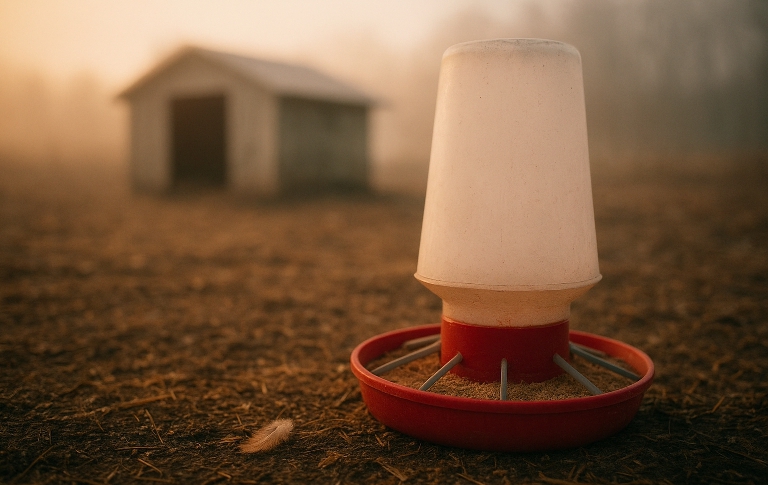
    Chicken feeder and chicken coop, probably for layer chicken in the background.
    One day your chicken might all die. Not because you did something wrong, but because it just happens sometimes.
    You have to be ready so you don’t give up.


    ✅ Diseases still attack even when birds are vaccinated.


    ✅ Vaccines are not 100% effective — always watch your flock closely.


    ✅ Isolate any sick-looking bird and call a poultry vet immediately.


    ✅ Never eat dead birds — you don’t know what killed them. It’s not safe for you.


    ✅ Sometimes, even when you do everything right, bad things just happen.

    That day broke Niss’s heart.
    But it also reminded her that farming isn’t just about feed and vaccines.
    It’s about expecting for the worst and being ready, patience, discipline, and resilience.

    Just like DR.STARR.


    Because sometimes, you can do everything right… and still lose.
    What matters is what you do next.

    💬 Your Turn

    Have you ever lost birds suddenly on your farm?
    Share your experience in the comments — your story might help another poultry farmer avoid the same pain.


    👉 Get a Free copy of my Layer Poultry Farming Guide and regular Layer Chicken Digest Tips here👇🏿

    Free beginners guide to starting a profitable layer poultry farm. Step by step guide.
    Name
    Limited access. Join other serious farmers who have taken the guide and get support.

    See you next Wednesday!

    carlosdeche4040@gmail.com

    secretlayerske@gmail.com

  • NYOTA Fund : How I’d Use It To Build A Profitable Business

    If someone gave you Ksh.50,000 today, what would you do with it?

    This is how I would turn Ksh.50,000 (approximately $385) into a thriving business through the NYOTA Program Kenya.

    The government of Kenya, through the NYOTA Program, is offering grants and training to empower Kenyan youth. It’s an amazing opportunity for those who qualify. Unfortunately, I don’t meet the criteria for application, but if I did, here’s exactly how I would use the funds to build a sustainable business.

    Not something lifeless or short-term, but a venture with a real vision of growth.

    It’s sad that many businesses started through such government programs die off within a year. Evidence from the earlier Youth Enterprise Development Fund (YEDF) shows that only a small percentage survive past five years.

    That’s why I decided to share how I would personally use the NYOTA grant and the strategies I would apply to make the business last. I hope you’ll find value in it and maybe borrow a few ideas for your own plan.

    By the way, congratulations if you received the grant!

    Step 1 : Decide And Commit To One Business

    The first thing I would do is make a clear decision and commit to one business. I would choose layer poultry farming — and I have good reasons for it which you can check here👇🏿

    6 Reasons Why I Chose Layers Over Broilers

    It’s something I’ve been studying and researching for a long time, and that focus gives me an edge.

    There are many profitable opportunities out there. However, without clarity, it’s easy to end up confused and scattered.

    So I would decide, commit, and lock in.
    No broilers. No goats. No hotel. No forex.

    Layer poultry farming only.

    Step 2 : Learn

    Before starting, I would spend one to two weeks learning everything about layer poultry farming. That means not just how to raise the birds, but also how to run the business side of things.

    I’d study topics such as:

    ✅Brooding

    ✅Feeding

    ✅Disease management

    ✅Marketing and sales

    ✅Branding and negotiation


    In addition, I would visit established layer farmers and learn directly from their experiences. I’d talk to egg traders — both wholesalers and retailers — to understand the egg business better.

    I’d also reach out to poultry experts for practical advice.

    Meanwhile, I would get a reliable internet connection for a week and binge-watch YouTube videos about layer poultry farming in Kenya. I’d read blogs, success stories, and mistake lists.

    Of course, I would also check X, Facebook, and TikTok pages of farmers to see what works for them.

    Secret Layers is already a good place to start for this kind of information — both technical poultry farming and business.

    To help with this learning phase, I have a Free Layer Poultry Farming Guide you can get here 👇🏿

    Free Layer Poultry Farming Guide

    Another skill I would add is content creation. There are countless free online resources on how to make engaging and educational farming content.

    After one or two weeks, I wouldn’t be an expert yet, but I’d know enough to start my layer farm confidently.

    Step 3 : Start The Farm

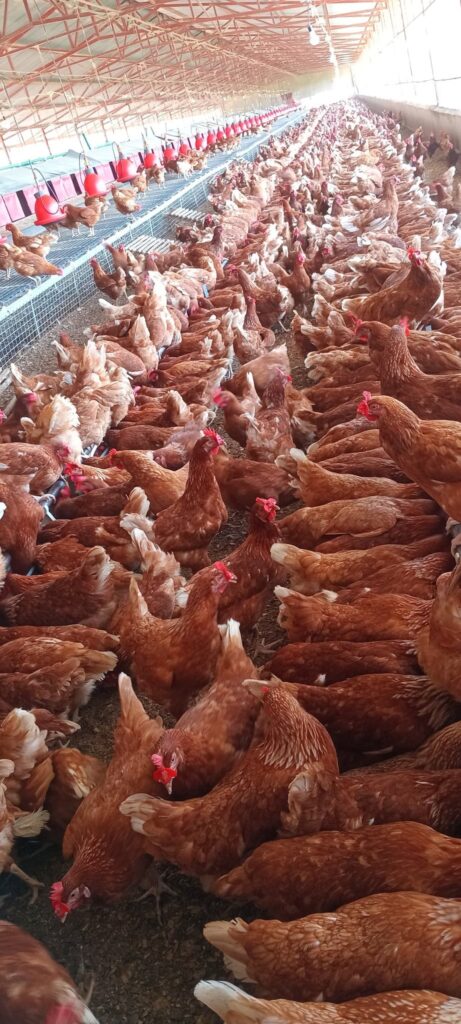
    Many layer chicken kept for eggs in a big poultry house.
    Layer Chicken in a poultry house. While Ksh.50k won’t get you this at first, with a long term business strategy you can get here.

    Next, I would begin the actual farm setup. My plan would be to start with 50 layer chickens. That’s enough to make sense as a business but still manageable for a beginner.

    However, there’s one issue. Starting a 50-bird layer poultry farm in Kenya costs around Ksh.91,000, according to my recent research (see the cost breakdown here👇🏿

    The True Cost Of Starting A Layer Poultry Farm


    Yet, the NYOTA Program grant is only Ksh.50,000.

    So how would I bridge that gap?

    I have a plan — and I’ll share how to make it work. Just trust me and follow the logic to the end.

    I would follow the exact process outlined in my Free guide to set up the farm and get my chicks started.

    At this point, the farm would be running.

    Now, layer chickens take about four and a half months before they begin laying eggs. That means no cash flow for about five months.

    So what next?

    Step 4 : Create Content Around My Farming Journey

    During this waiting period, I would focus on creating content. I’d document my entire journey from day one — every success, failure, and lesson learned.

    Don’t frown yet. Maybe if I say “teach people what I’m learning,” it will sound better. But yes, I’d share my journey publicly.

    This would include content across YouTube, TikTok, Facebook, X, and Pinterest. However, I’d focus mainly on the three I use most — Facebook, X, and YouTube.

    This approach is exactly how Secret Layers started — by teaching and documenting.

    For instance you can watch the YouTube video of this blog post here👇🏿

    https://youtu.be/0B_B0QsqW50?si=7NCNMw7cNJ7jBiQc

    Setting up social media accounts is free. The only small cost would be basic content tools like a ring light, tripod stand, and microphone — not more than Ksh.3,000 ($23).

    There are two main reasons for creating content:

    1. To build a brand around my farm.
    The content would serve as my marketing and branding engine.


    2. To create a potential income stream.
    In time, monetizing these platforms could bring in more money to grow the farm further.


    At that point, I’d have two things running – a real farm and a growing online brand.

    That’s the foundation of a long-term business.

    Now The Secret To Make My Whole Plan To Work

    Step 5 : Partner With Another Beneficiary

    Now, remember that the cost of starting the 50-bird farm is Ksh.91,000, but the grant is only Ksh.50,000.

    Here’s the secret to make it work.

    I would partner with another NYOTA Program beneficiary. Together, we would combine our grants for a total of Ksh.100,000.

    The NYOTA Program includes a training period before the funding phase. I’d use that time to identify a serious, like-minded partner — preferably someone from my area, maybe a friend, or someone who shares my farming vision.

    Finding the right partner isn’t always easy, but it’s the smartest way to make this plan possible. And I would treat it like my life depended on it.


    That’s my blueprint for how I would use the NYOTA Program grant to build a sustainable and profitable business.

    You don’t need millions to start. With focus, learning, and creativity, you can turn Ksh.50,000 into something that grows year after year.

    If you’ve received the NYOTA grant, congratulations again. Use it wisely, and build something that will last beyond five years.


    💡 If you want to start your own layer poultry business..


    Get my Free Guide: 6 Steps to Start a Profitable Layers Poultry Farm here👇🏿

    Free beginners guide to starting a profitable layer poultry farm. Step by step guide.
    Name
    Limited access. Join other serious farmers who have taken the guide and get support.


    And I’d love to hear your thoughts — what would you do with your Ksh.50,000 NYOTA grant?

    Let me know in the comments.

    See you next Friday!

    carlosdeche4040@gmail.com

    secretlayerske@gmail.com