Tag: Layer Poultry farming in Kenya

  • 11 Proven Ways To Reduce Feed Wastage On Your Poultry Farm

    Feed is the monster every poultry farmer is afraid of. It is your biggest cost. And if you are wasting it, you are throwing money away every single day.

    The good news? You can stop it. These 11 simple tips will help you cut feed wastage on your farm and put that money back in your pocket — not in the feed company’s pocket.
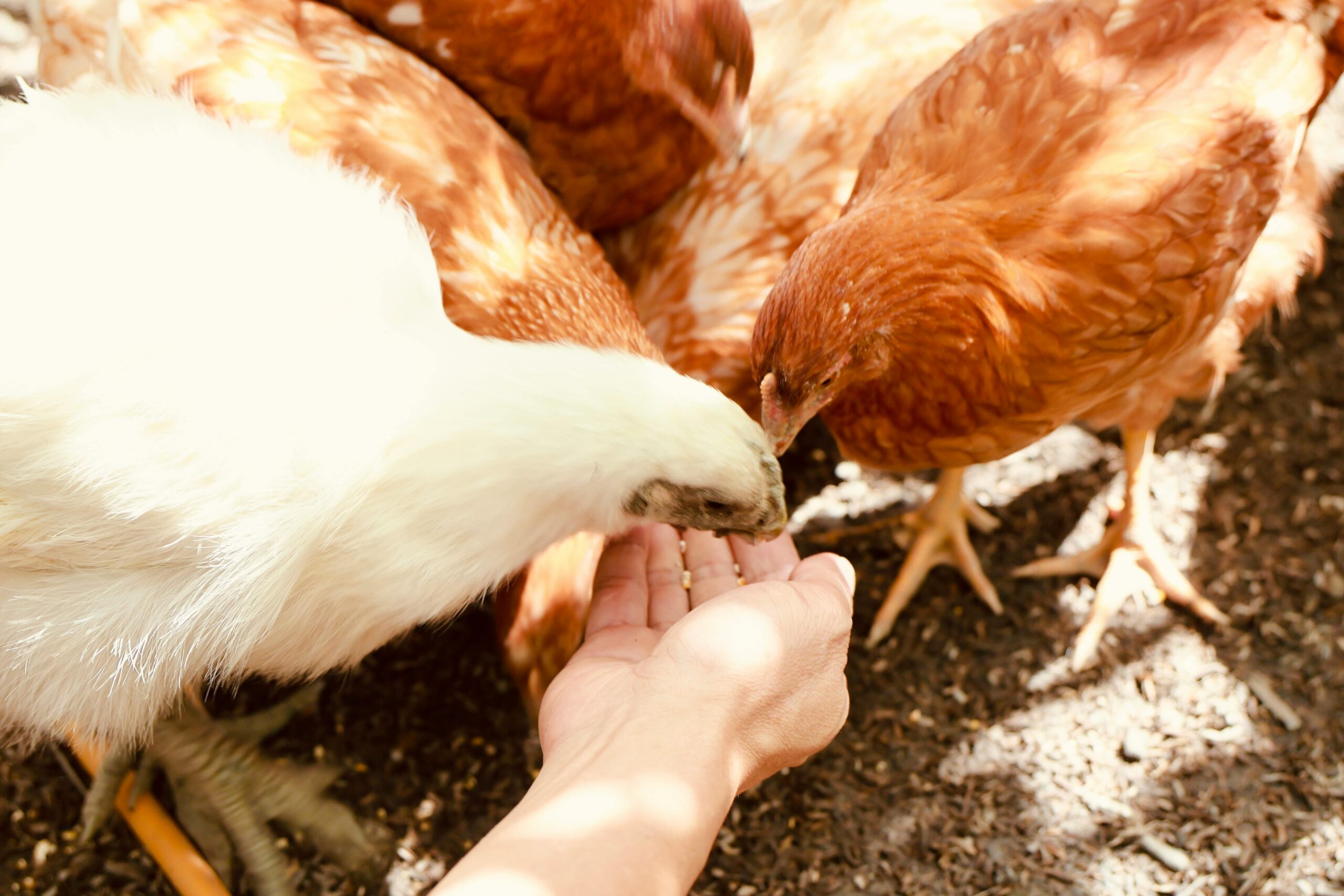
    Feeding chicken by hand.
    Feeding chicken on a farm.

    1. Raise Your Feeders To Chest Level

    Raise the feeders to the chest level of your chickens. When feeders are placed too low, chickens scratch and fluff the feed onto the ground. That feed is wasted. Raising the feeder stops this habit.

    2. Fill Feeders Only Halfway

    Never fill your feeders more than halfway. Too much feed in the feeder makes it easy for chickens to knock it out. Half full is enough. It limits the amount available and reduces spillage.

    3. Allow At Least 2 Hours Of Empty Feeder Per Day

    When feed is always in the feeder all day, chickens get bored with it. Once they are full, they start pecking at the feed and spitting it out on the ground. I have seen this even with local free-range chickens. Leave the feeder empty for at least 2 hours a day. This stops the ‘peck and spit’ habit and reduces wastage.

    4. Use Anti-Wastage Feeders

    Some feeders are built to stop wastage. Look for feeders with grills, anti-waste rims, or deep designs — not shallow ones. Yes, they cost a little more. But that small extra cost will save you hundreds, if not thousands, in wasted feed. Buy them. They are worth it.

    5. Give Controlled Feed Amounts

    Do not just pour feed freely. Give it in controlled amounts. Here is a simple plan that works well for layers: Give 40% of the total daily feed in the morning and 60% in the evening. Once the morning feed is finished, the chickens wait for the evening feed. No extra feed sitting around to waste.

    6. Use Good Quality Feed

    Feed quality is not just about nutrients or price. It is also about texture, form, and consistency. Chickens waste mash more than pellets. If pellets are too fine, they get wasted more than correctly sized ones. Also, if your feed has foreign material like wood chips, sticks, or grass in it, the birds will sort through it and spill most of it. Get clean, good quality feed in the right form.

    7. Have Enough Feeders In Your Chicken House

    Too few feeders cause competition. When chickens fight over feeders, feed gets knocked out and wasted. Make sure you have the right number of feeders for the size of your flock. Space them out evenly in the chicken house to avoid crowding.

    8. Use Feed Additives To Improve Palatability

    Did you know chickens have taste buds? They only have 250 to 350 compared to our 10,000, so taste matters less to them — but it still matters. Using feed additives improves the taste and smell of feed. This encourages chickens to eat more of it and waste less. Think about it: how much of your favourite food do you throw away compared to a meal you do not enjoy?

    9. Store Your Feed Well

    Poorly stored feed gets wasted before it even reaches the feeder. Pests, rodents, and birds can eat it or contaminate it. Contaminated feed is unpalatable to chickens — they simply will not eat it. Always store feed in a cool, dry place. Keep it sealed and protected from pests.

    10. Use Automated Feeders Of You Can

    Automated feeders control feeding times and amounts. This gives you control over when and how much your chickens eat. It also covers Tip 5 automatically. It does not have to be an expensive system. Remember DR. STARR? The first R stands for Resourcefulness. Find a way.

    11. Maintain And Replace Worn-Out Feeders

    A leaking feeder will waste feed even if you follow all 10 tips above perfectly. Check your feeders regularly. Maintain them well so they last long. Once a feeder is worn out and leaking, replace it.


    These are the 11 tips to reducing chicken feed wastage on your poultry farm. Like I said, feed is the monster every poultry farmer is afraid of.

    That is why I take great pleasure in showing you ways to cut your feed costs and get that money back into your pocket — not to the feed companies.

    Let me know in the comments which method you are using on your farm and how it is working. Or share any tip you have heard that works.

    Before you leave — if you are still struggling with brooding and losing chicks in the first month, get the Brooding Guide I prepared for you.
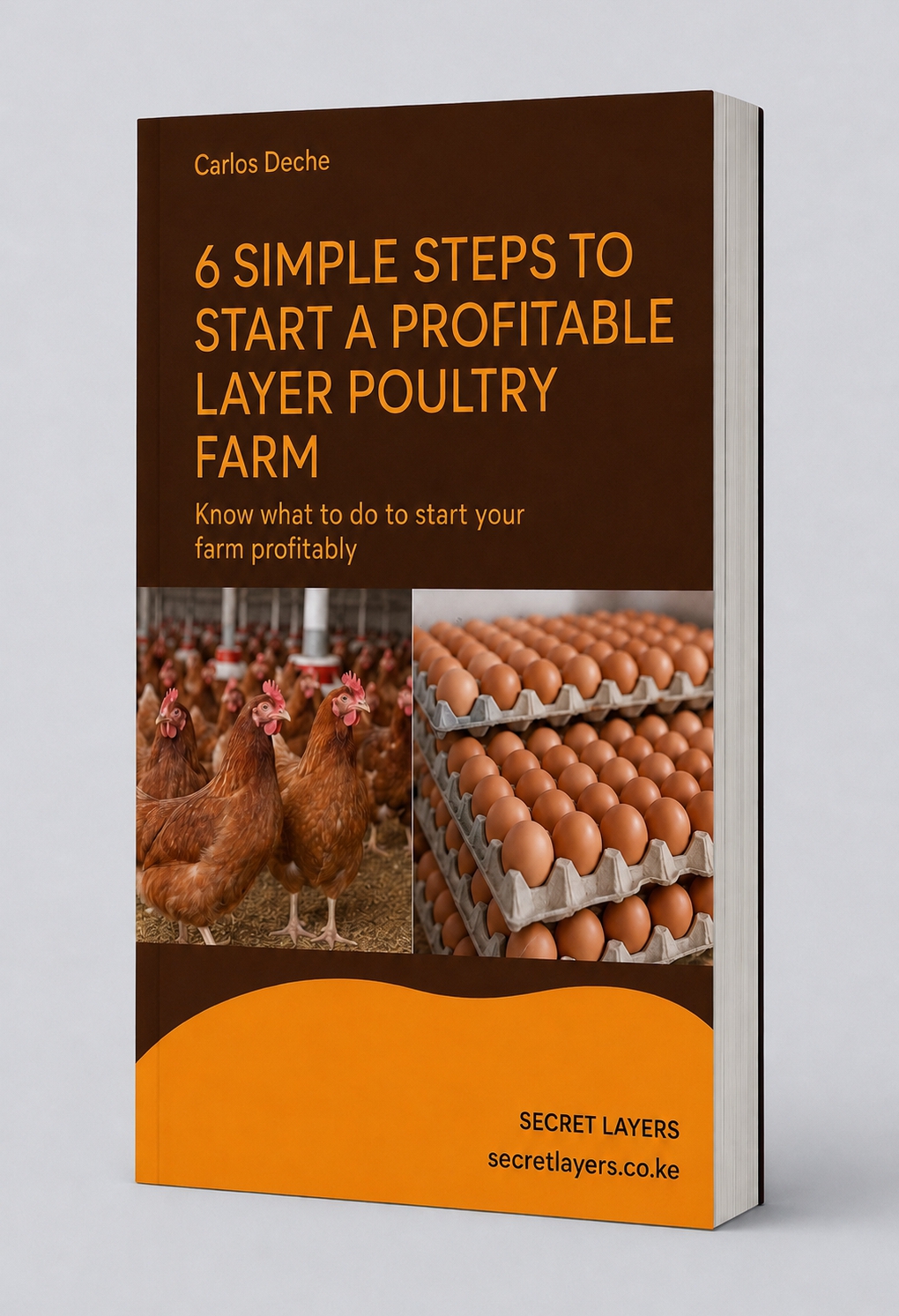
    Free beginners guide to starting a profitable layer poultry farm. Step by Step guide.
    Name
    Limited access. Join other serious farmers who have taken the guide and get support.

    See you next Friday!

  • 7 Proven Ways To Protect Your Farm And Save Millions(#7 Is Pure Gold)

    For what worth is your farm if you can’t protect it?

    Why would you go through the struggle of building a farm yet provide no protection to your asset?

    It’s like working hard to become a billionaire and never protecting your wealth, only for it to be stolen by thieves, greedy lawyers, and divorced wives.

    Farm security is one of the less talked about aspects of running a farm. Maybe because it doesn’t directly translate to money in the owner’s pocket. Let me change that today.

    The first rule of creating wealth is to never lose money. And the second? Refer to rule number one.

    Even Warren Buffett himself — the greatest investor to ever live (2026) — says that as an investor, you first have to control your downside before maximizing your upside.

    Imagine if a burglary happens on your farm and everything gets stolen or destroyed. What will you have lost? Not just the animals and property on the farm, but also future income.

    It might be hard to see, but doing just small things to make sure your farm is safe can translate to saving you millions in prevented thefts.

    Now, your farm needs protection against 2 things. One is animals. The second is people. And under people, we have thieves and employees.

    Of the three, employees are the most common, the most expensive, and cause the most damage — but sadly, they are the ones farmers consider least. Most people only think of wild animals and night thieves. The worst thieves on a farm are the ones who steal during the day: your employees.

    In this post, I’m going to give you the 7 ways in which you can ensure tight security on your farm.

    You are working too hard for somebody to just steal your wealth.

    1. Fence Your Farm And Put A Gate

    The first thing is to have a physical barrier around your farm. This will help reduce trespassing, and having one entry point which is gated will allow you to control who comes in and gets out.

    It works for people and animals as well — both wild and domestic.

    The fence should offer real protection. Not some random poles or something somebody can jump over easily. Also make sure you maintain it. Thieves only need a small break to get in.

    2. Security Guard And Employees

    As part of your farm team, a security guard should be one of your employees.

    This is not a must, especially if your farm is small. But if you have a big farm that requires surveillance, then a well-paid security guard will do the job.

    Just make sure he is a trusted person, because security guards are usually the master planners of farm heists.

    Now, I have talked a lot of bad about employees — but that is not how they always are. Not all of them. Most employees are loyal, faithful, and good business partners.

    Train them, respect them, empower them, pay them well, and they will be your security without you paying for it directly or any extra.

    Great employees are the best thing a farm owner can have. Work with them.

    On the other hand, if you get a stealing worker, they will kill your farm. Do you know the saying: hire slow, fire fast? This is where you fire fast. In fact, immediately.

    3. Security Animals

    Farm security is mostly about protection against animals. But some animals can protect against other animals.

    What better way to catch a thief than to use a thief? Same case here — use an animal to catch an animal.

    The beauty of animals is that they also protect against people. These include:

    Cats – which protect against rodents and snakes.

    Dogs – man’s best friend – who protect against thieves. You get a pet and a protector. That’s why I like dogs.

    Any other animal – I recall sharing this on the Secret Layers Facebook page and it was hilarious.

    If you love crocodiles, use them. If you have a tiger, use it. It’s your farm and you can do whatever you want — just make sure you are licensed to keep these animals and that they don’t pose a danger to other people.

    I wonder which thief will go and steal from a farm with crocodiles or a tiger. A real thief!

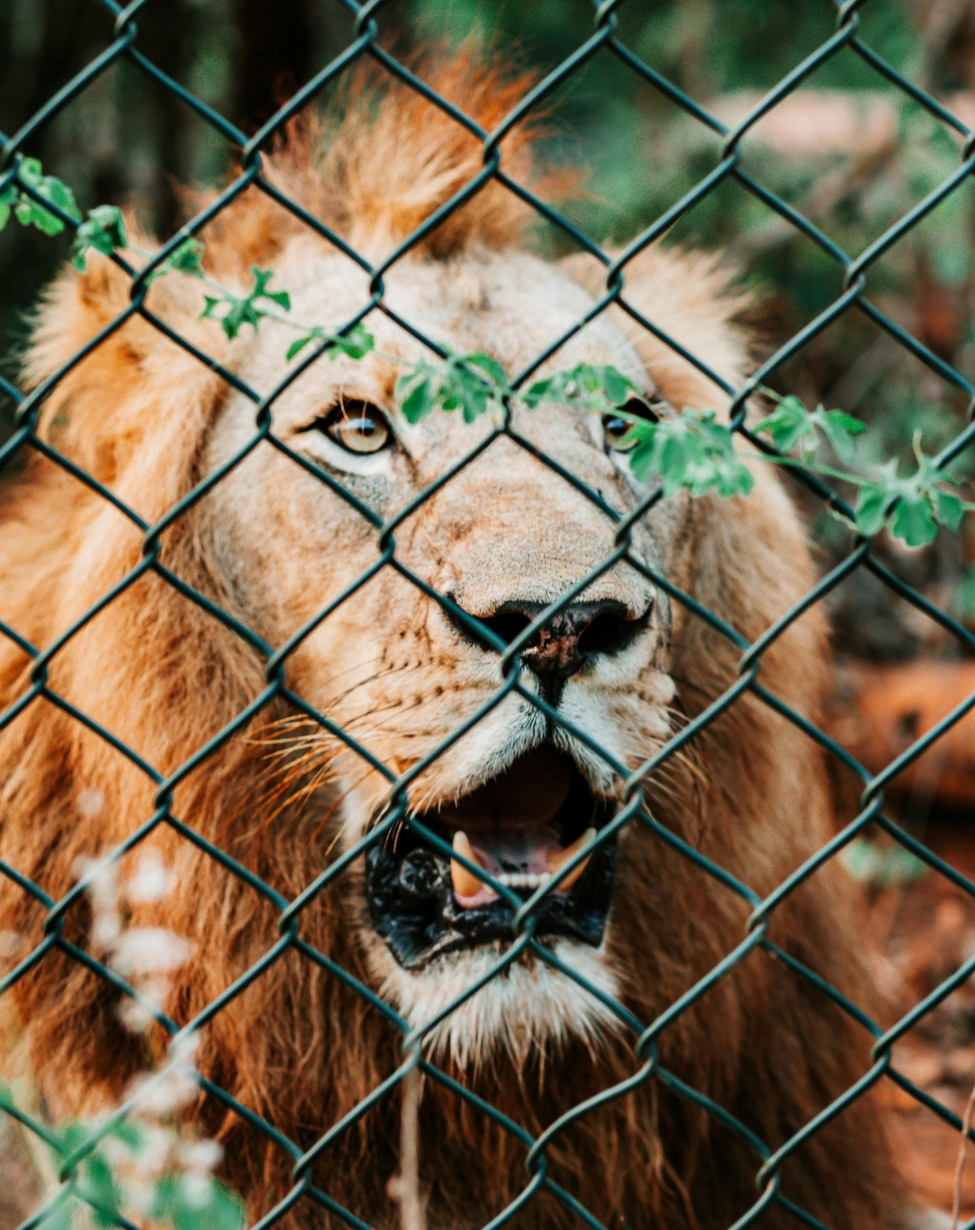
    A roaring lion in a fenced area
    Even if you have access to a lion, use it. After all, it’s your farm.
    (Make sure you comply with the relevant regulations)

    4. Install Security Lights On Your Farm

    Security lights are one cheap and efficient way to keep intruders away.

    Install them at strategic points around your farm and make sure they are bright enough to scare off thieves.

    They also give you peace of mind knowing that your farm is well lit and safe.

    5. Use Surveillance Cameras

    If you have a small farm with the chicken house or cow shed close to your house, you probably don’t need cameras all over.

    But if you have even a single employee, I strongly suggest getting at least one surveillance camera placed strategically in your chicken house and in your feed store.

    These are the two most common places where employees can access and steal from the farm. Monitor these at your own frequency, but make sure your employees know they are being watched.

    Also understand that with time, they will learn how to avoid the cameras and devise tactics to not get caught.

    Stay on the lookout.

    6. Maintain A Good Relationship With Your Neighbours

    Start and maintain a good relationship with your neighbours.

    This is one of the most valuable forms of farm security you can have.

    Talk to them, engage with them, and they will automatically provide you with free security for years and years.

    They will warn you of any danger and be there to help when things go wrong.

    Neighbours are particularly useful when it comes to employee theft, because neighbours are often the customers of stolen farm products. But that’s only if you treat them well.

    Otherwise, they help milk your farm dry through the cheap products they get from your disloyal employees.

    7. Personal Competence

    I put this last, but it is the most important.

    The best and most reliable farm security is you. Yes, you.

    Know what is going on on your farm — everything. Know the standard operating procedures. Know how to raise whatever it is you are farming. Know the prices of inputs and outputs on your farm. After all, it is your business.

    When you know all this, nobody will dare steal from you. And if they do, you will know immediately.

    That makes it easy to catch the thief, fire them, and hire another person. The rest will have a story to tell about how you have zero tolerance for theft.


    These are the 7 ways you can protect your farm from leeches who want to reap where they did not sow.

    If there is one thing I would put more emphasis on, it is Point 7 — your personal competence.

    With that, no manager, no accountant, no worker will ever be able to steal from you and get away with it.


    If you are reading this and you haven’t started your farm yet, check out this Free Layer Poultry Farming Guide I prepared to help you start and run a layer poultry farm profitably. Avoid the trial and error and get a clear plan to follow.

    Free beginners guide to starting a profitable layer poultry farm. Step by Step guide.
    Name
    Limited access. Join other serious farmers who have taken the guide and get support.

    See you next Friday!

  • The True Cost Of Starting A Layer Poultry Farm (2025)

    You’ve decided it’s layers you want to keep on your farm, and you’re asking yourself: how much will it cost to start?
    Or maybe you haven’t decided yet. Check the reason why I chose layers here — it will help you decide👇🏿

    6 Reasons Why I Chose Broilers And Why You Should Too

    You want to know how much you’ll need to start your farm.
    You want to plan, budget, or save for it.
    And you don’t want to be caught off guard by unforeseen costs or run out of money halfway through your project.

    You’re also tired of seeing so many different startup costs on the internet.
    Well, this is the realest startup cost estimate you’ll ever see.
    This guide is for you.


    Before We Start – 3 Things To Keep In Mind

    1. No figure you see on the internet is exactly what you’ll need.
    Don’t be happy if you find it’s little, and don’t be sad if it seems too much.


    2. There are many assumptions to be made and considered.


    3. It all depends on what you want and how you want it.

    When you’re calculating the cost of starting a layer poultry farm, always remember these points. Every farm is unique.


    Key Assumptions Used In This Guide

    ✅I used a standard price of Ksh. 4,000 for a 50 kg bag of feeds (starter, grower, and layers mash).
    Feed prices vary by type and location in Kenya.

    ✅A price of Ksh. 150 per layer chick has been used (2025 prices).

    ✅Under feeds, you’ll need to prepare for starter, grower, and one month of layer mash in your startup costs.
    That covers about six months before you sell your first egg.

    ✅No construction cost is included in these startup costs.
    This is because building materials and labor prices vary widely from place to place.

    ✅Labour costs are also excluded since they differ depending on whether you hire help or work on your own.
    Remember, even if you do all the work yourself, don’t forget to pay yourself a salary.

    I calculated the startup costs for 50 birds based on poll results from the Secret Layers ;

    Facebook and X pages.

    Detailed Breakdown Of Startup Costs For 50 Layers


    1. Chicks

    60 × Ksh. 150 = Ksh. 9,000
    I used 60 chicks to cover possible mortality — some chicks will die.

    Tip: Don’t forget transport costs from the distributor or hatchery to your farm. Many farmers do.
    I’ve included that under miscellaneous below.


    2. Equipment

    Estimated at Ksh. 10,000.
    I used the equipment list from this 28 equipments post and realistic prices for what’s really needed when starting small.


    3. Feed Costs


    When planning the budget for layer farming, feed is your biggest expense.
    Below is the estimate based on average poultry feed prices in Kenya in 2025.

    Starter Mash

    2.5 kg per bird in the first 8 weeks

    50 birds × 2.5 kg = 125 kg

    Since one 50 kg bag costs Ksh. 4,000:
    125 kg × 4,000 ÷ 50 = Ksh. 10,000


    Grower Mash

    9 kg per bird for 11 weeks

    50 birds × 9 kg = 450 kg

    450 kg × 4,000 ÷ 50 = Ksh. 36,000


    Layer Mash

    3 kg per bird for 1 month before you start selling eggs

    50 birds × 3 kg = 150 kg

    150 kg × 4,000 ÷ 50 = Ksh. 12,000


    Total feed cost:
    10,000 + 36,000 + 12,000 = Ksh. 58,000


    4. Medicines, Vaccines, and Supplements

    Estimated at Ksh. 6,000 from start to selling of the batch.


    5. Miscellaneous

    Estimated at Ksh. 8,700 (about 15% of feed costs)
    This covers day-to-day expenses, transport, and unexpected costs.
    Always include a buffer in your layer chicken startup costs.


    Total Startup Cost

    9,000 + 10,000 + 58,000 + 6,000 + 8,700 = Ksh. 91,000

    This is the estimated cost of starting a layer poultry farm with 50 birds in Kenya in 2025.

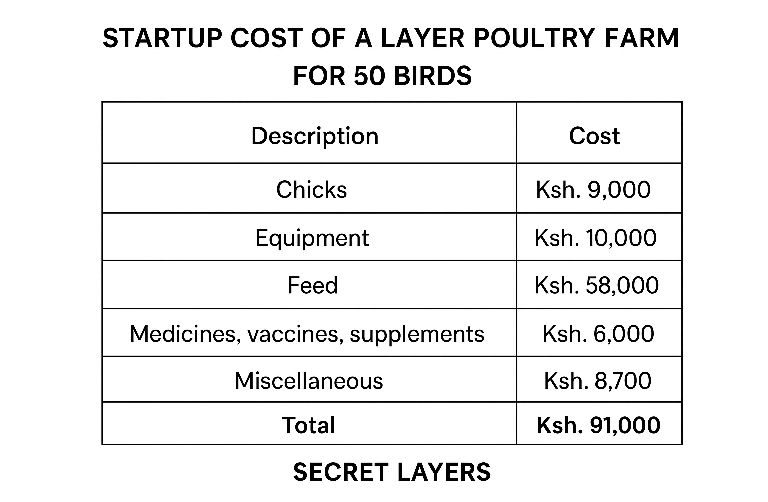
    How much does it cost to start a layer poultry farm? This table answers that for 50 birds
    The true startup cost of starting a 50 bird layer poultry farm in Kenya.

    Remember

    ✅ Construction costs (including cages or litter) are not included.


    ✅ I used 60 chicks to cover mortality.


    ✅ Transport costs are added under miscellaneous — most farmers forget this.


    ✅ Feed amounts include spillage and spoilage, which many startup guides ignore.


    ✅ Feed prices are standardized at Ksh. 4,000 per 50 kg bag, an average figure for 2025.


    ✅ A miscellaneous cost (15%) has been added for safety — almost everyone forgets this part.

    Practical Tips To Lower Your Startup Costs

    ✅ Buy feeds in bulk (especially starter and grower mash).


    ✅ Improvise equipment instead of buying everything new.


    ✅ For housing, repurpose an existing structure or use cheap local materials.


    ✅ Negotiate prices and avoid building a fancy chicken house just for show.

    Keeping your setup simple will significantly lower the cost of starting your farm.


    This guide has given you a realistic picture of the cost of starting a layer poultry farm in Kenya.
    With around Ksh. 91,000, you can start small with 50 layers, cover all basic costs, and begin your poultry business confidently.

    Would you start with 50 birds or more?

    Share your thoughts in the comments or tell me how you’re planning your layer poultry farming journey.

    Get this Free Layer Poultry Guide and get our regular Layer Chicken Digest Tips straight to your email.

    Free beginners guide to starting a profitable layer poultry farm. Step by step guide.
    Name
    Limited access. Join other serious farmers who have taken the guide and get support.

    See you next Friday!

    carlosdeche4040@gmail.com

    secretlayerske@gmail.com

  • The Funeral (Part One)

    January 7th, 2025 – Tuesday

    Schools had opened for the new year. The laughter, the shouting, the morning rush — all gone. Now, the neighborhood was dead quiet, like the calm after a storm.

    “You know, Niss,” her friend said, breaking the silence. “That thing we talked about — keeping layers. We should do it. It’s a good idea.”

    “Yeah, absolutely,” Niss replied. “I’ve been preparing. Reading, researching… there’s a ton of information in blogs, articles, even YouTube videos. It looks promising. I think I’m ready to start.”

    “Really? Well, good for you.” Her friend smiled. “How many are you planning to start with?”

    “I don’t know. I don’t mind starting with a hundred birds. It depends on how much money I can get.”

    “A hundred?” Her friend’s eyebrows shot up. Niss suddenly wondered what she’d said wrong.

    “How much profit will you even get from that? So small.”

    “Here’s my plan,” her friend whispered, leaning forward like she was about to share a secret. “I’m planning to start big — massive profits, you know? I want not less than a thousand birds. I heard an expert say anything less than that is pointless.”

    She paused, frowning. “But you know my piece of land — it’s small. If I keep a thousand birds, I’ll have no room left for maize or cassava. So for now, I’m saving. I want to buy a bigger plot. I hear Be Kanze is selling part of his land. That’s what I’m aiming for. When I start, it’ll be big — and fast.”

    “What do you think?” she asked.

    “I think it’s a dead plan,” Niss said flatly. “Let’s start with what we can for now.”

    “Not true. Just wait and see,” her friend replied, folding her arms.

    After a few more rounds of back-and-forth, Niss finally walked back home, unsure if she’d made her point — or lost it.

    The Funeral

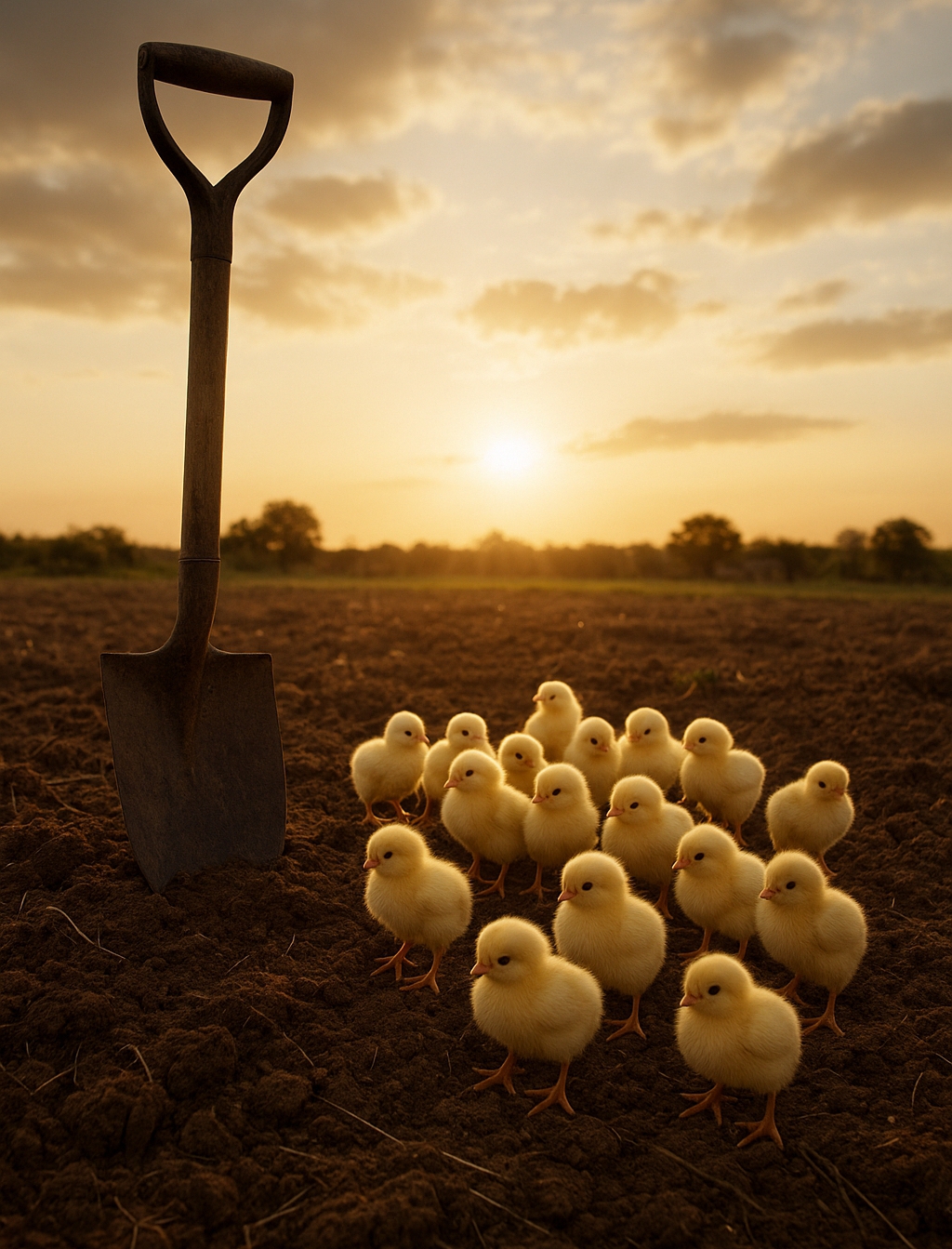
    Yellow day old layer chicks.Definitely still in brooding out on the farm with a spade - a commonly used farm tool/equipment
    It’s heartbreaking seeing your chicks die. Whether on day one of arrival or any other time. It’s so tough.


    April 28th, 2025 – Monday


    “Hey, what’s that?” a voice called out behind her.

    Niss turned. It was her friend.

    “I’m burying two of my chicks. They died overnight,” Niss said quietly.

    “Chicks? Dead? What chicks?” her friend asked, puzzled.

    “Layer chicks — the ones we talked about. I bought a hundred and fifty. Now they’re a hundred and forty. Ten have died so far. I spoke to the vet, and he said a few deaths are normal. But it shouldn’t be too many.”

    “See? I told you. If you’d waited, this wouldn’t be happening. Plus, if you had a thousand birds and lost a hundred, you’d still have nine hundred left. That’s still good money,” her friend said, voice laced with concern.

    “Where are you with your plan?” Niss asked.

    “Oh, I’ve got the land now,” her friend said proudly. “So I’m saving for the next step — the structure, the chicks, equipment, and feeds. I heard prices have gone up again. Once I’ve saved enough, I’ll hire a contractor and buy my chicks.” She smiled, confident.

    “That’s good,” Niss said slowly, “but I think you’re wasting time.”

    “No, I’m not. Just wait and see.”

    Niss sighed and turned away. Maybe she should wait.

    For now.

    But she knew that this was the day she had buried her inexperience in brooding. The day of the funeral..

    (Part 2 drops next week Friday)

    Register below to get this Free Layer Poultry Beginners Guide and Regular Layer Chicken digest tips straight to your email.

    Free beginners guide to starting a profitable layer poultry farm. Step by step guide.
    Name
    Limited access. Join other serious farmers who have taken the guide and get support.

    carlosdeche4040@gmail.com

    secretlayerske@gmail.com