Tag: How to start poultry farming

  • FOMO Farming – Why Most Farms Fail Before They Start

    Most farms do not start because a farmer saw a problem in the market. They start because a farmer saw his neighbour with a farm.

    That is FOMO — Fear Of Missing Out.

    And it is quietly killing farms before they even have a chance.

    The Story Of John And James

    John and James were neighbours. Good neighbours. They did not talk every day, but they had never fought about anything either.

    One Monday morning, John came home from work and noticed something strange. A group of contractors were busy in James’ backyard, building something big.

    He wanted to ask James about it. But they had not spoken in over a week. It felt too intrusive to just walk over and ask.

    So John waited.

    Two weeks later, the structure was complete. It was a chicken house.

    “Interesting”, John thought. “Let me see if he will make any money from this.”

    James Starts To Grow

    James brought in his first batch of chicks. Within three months, he was supplying chicken meat to the local market.

    One afternoon, James knocked on John’s door and asked if he needed chicken meat. Out of friendship — and because he genuinely needed them — John said yes. He became one of James’s regular customers.

    Weeks passed. James kept stocking new batches. His customer base grew steadily. People in the neighbourhood started calling him ‘The chicken guy’.

    John watched all of this quietly. Inside, he felt uneasy.

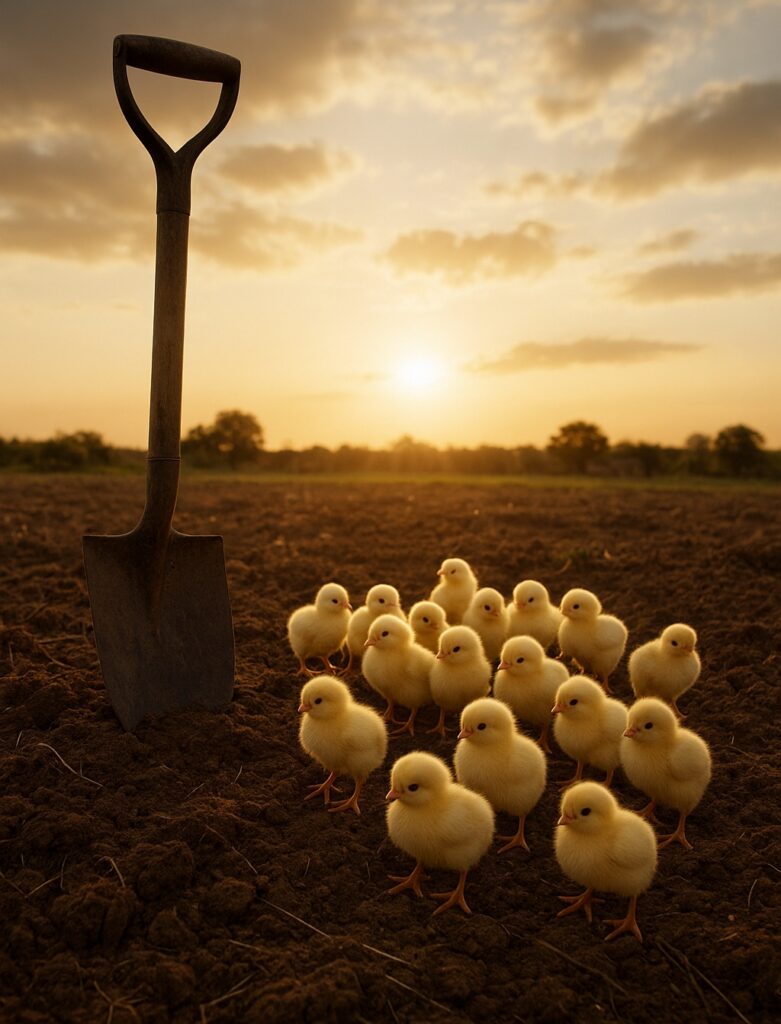
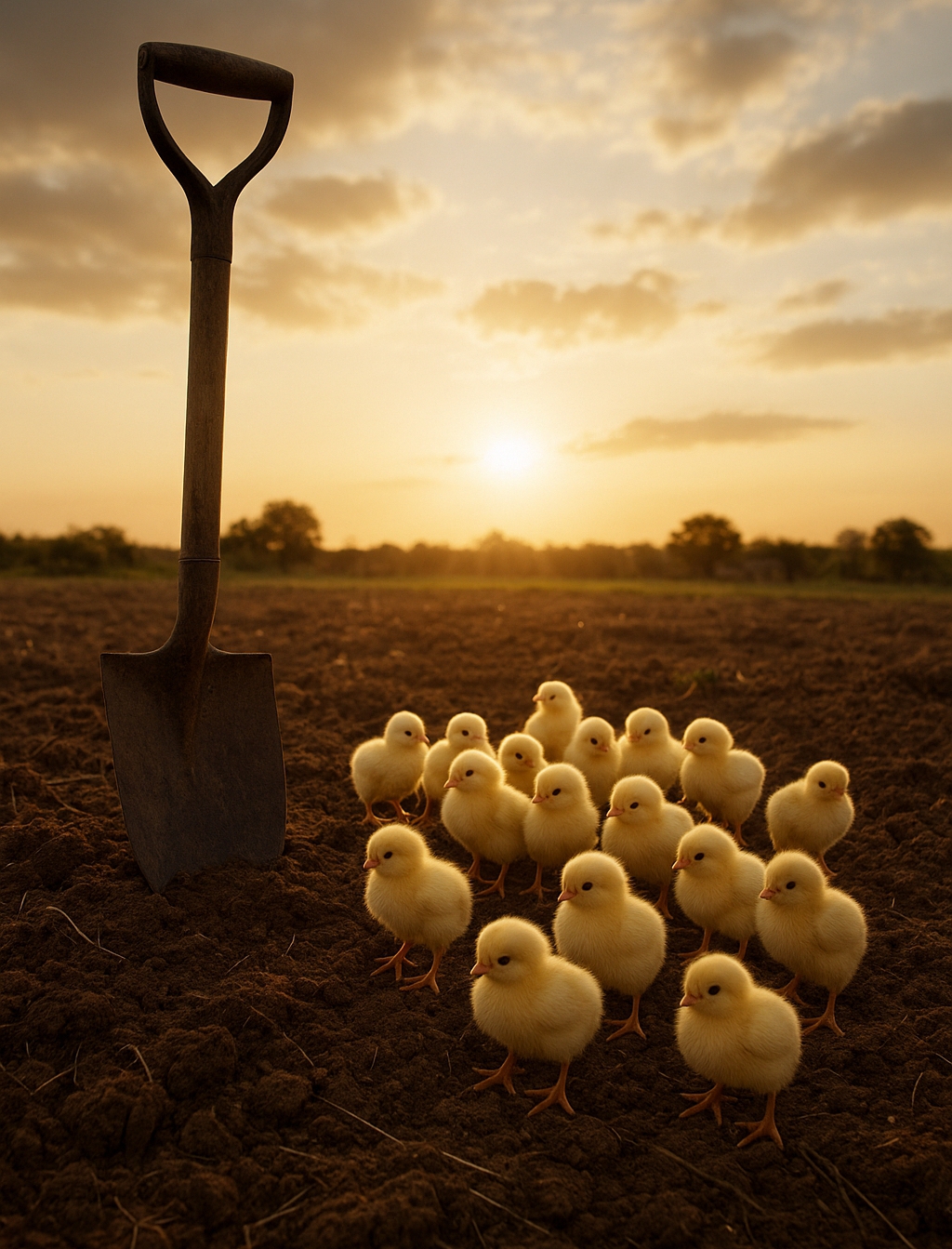
    Yellow day old layer chicks.Definitely still in brooding out on the farm with a spade - a commonly used farm tool/equipment

    The Decision That Changed Everything

    John talked to his wife about it. They both agreed — James must be making serious money. Why else would people keep coming back? Why else would he keep expanding?

    So they made a decision.

    Husband and wife visited the hatchery in the nearby town. They ordered chicks and started building their own chicken house. They did not ask James for advice. That would have felt like trespassing on his business territory.

    Three months later, their first batch matured. They started selling meat, just like James.

    It was hard at first. But slowly, people started buying from them too. Some of James’s loyal customers even switched over. Business felt good.

    When The Numbers Tell The Truth

    At the end of the batch cycle, John and his wife sat down to count their money.

    Something was off.

    They called John’s sister, who worked as an accountant, to help them go through the numbers. She looked at the records carefully and then looked up at them.

    “You have been making losses,” she said. “Your expenses are 15% higher than your revenues. Every month, you are losing money.”

    John was heartbroken.

    But then he asked the question he should have asked from the very beginning.

    What about James? Is poultry farming profitable for him too?

    The Truth About James

    John finally walked over to James’s house and asked him directly. “How is the business really doing? Is poultry farming profitable on your end?”

    James told him the truth.

    The business was not profitable. James had one large hotel outside town that bought most of his eggs and meat in bulk. Whatever was left, he sold to neighbours and the village market. Even with all that, he was only breaking even.

    He could not shut the farm down either. He had taken out a loan to start it. Every month, he farmed just to repay that loan.

    It was a cycle. A vicious one. Farm. Break even. Repay loan. Repeat.

    Not all that glitters is gold.

    Why FOMO Farming Almost Always Fails

    What you just read is not a unique story. It happens every single day across farms big and small.

    People start farming not because they identified a market gap, did a feasibility study, or had a clear business plan. They start farming because someone they know appears to be making money.

    A neighbour. A friend. A random farmer on social media posting about profits every week.

    These people sell a dream. And the dream looks real because you can see the chicken house, the chicks, the customers coming and going. What you cannot see is the loan, the losses, the breaking even, the quiet stress behind the scenes.

    Studies show that up to 70% of agricultural businesses fail in their first three years. Many of those failures trace back to one simple problem — the farmer started for the wrong reason.

    FOMO is a wrong reason.

    What FOMO Does To Your Thinking

    When you see someone else farming and apparently making money, your brain starts running a story.

    He must be making so much money.

    His life must be so much easier now.

    If I start now, I will make that money too.

    If I wait, I will miss this opportunity.

    That last thought is the dangerous one. You feel like the window is closing. Like you have to act right now or you will lose out forever.

    But that is rarely true.

    A farming opportunity that is real today will still be real in six months — after you have done proper research.

    After you have spoken to actual farmers who show you real numbers.

    After you have asked the hard question: Is poultry farming profitable in my specific market, at my specific scale, with my specific resources?

    The Right Way To Start A Farm

    Before you place a single chick order, here are some recommendations you should do.


    1. Talk to a real farmer — and ask for the numbers.
    Not the polished version. The real numbers. Revenue, expenses, loan repayments, labour costs, losses from sick birds, market price fluctuations.

    If a farmer is not willing to show you that, their “success” story is not useful to you.


    2. Study your local market first.

    Who will buy your eggs or meat?

    How many other farmers are already supplying that same market?

    Is the market growing or shrinking?

    Can it absorb one more supplier without everyone’s prices dropping?


    3. Run a simple feasibility test.
    Before spending a single shilling on construction, write down your projected costs and your realistic revenue. Not best-case revenue — realistic revenue.

    If the numbers do not work on paper, they will not work in real life.


    4. Start small and learn.
    A 50-bird first batch teaches you more than any YouTube video. Starting small keeps your losses manageable while you figure out the market, the feeding, the disease management, and the sales cycle.


    5. Have a clear customer before you start.
    James had one hotel that bought in bulk. That one customer kept him alive — even if just barely.

    Before you build a chicken house, find one person or business willing to commit to buying from you consistently.

    There Is Always Another Bus Coming

    There is a famous saying in investing: ‘There is always another bus coming’.

    It means this — missing one opportunity does not mean you have missed everything. Another one is always on its way. The farmer who waits, researches, and starts with a clear plan will almost always outlast the farmer who jumped in because of FOMO.

    So resist the urge. Control the impulse. Do not start a farm just because your neighbour has one and appears to be winning.

    Ask the harder question first: Is poultry farming profitable for me, in my situation, right now?

    If the honest answer is yes — go for it with everything you have.

    If the answer is unclear — do more research before you spend a single coin.

    The Bottom Line


    John lost money. James was trapped in a loan cycle. Neither of them started with a real plan.

    Both of them started because of how things looked from the outside.

    Farming is a real business. It rewards preparation, market knowledge, and patience. It punishes impulse, emotion, and FOMO.

    Before you order those chicks, before you break ground on that chicken house — make sure you are starting for the right reasons.

    Your farm deserves better than FOMO.


    Thinking about starting a layer poultry farm?

    Download my Free Guide and make sure you start your farm the right way.

    Free beginners guide to starting a profitable layer poultry farm. Step by Step guide.
    Name
    Limited access. Join other serious farmers who have taken the guide and get support.


    See you next Friday!

  • 6 Tips For Feeding Your Chicken And Maximize Your Farm Profits (Layers)

    Many poultry farms are dying because of feed.
    Not disease. Not poor management. Feed.


    And here is the part that will shock you even more — many farms are never even started because of feed.

    The fear of high, unpredictable feed prices scares aspiring farmers away before they buy their first chick.


    Feed accounts for 60 to 70% of total expenses on a poultry farm. It is the single largest cost you will carry. So the fact that it is the number one farm killer? That makes sense.


    This is why layer chicken feeding deserves your full attention. If you buy day-old chicks, you will be feeding those birds for almost two years. Every mistake at the feeder costs you money.


    Here are six feed management tips to protect your farm, your birds, and your profits.

    1. Feeding Time and Frequency

    Feed your hens twice a day. Once in the morning. Once in the evening.


    This works for two reasons.

    First, it fits a working farmer’s schedule. You are home in the morning and home in the evening. No complicated mid-day trips to the farm.


    Second, it reduces boredom. Full crops mean calmer birds. Calmer birds means less cannibalism and fewer injuries.


    One more thing— allow the feeders to go completely empty for about two hours each day.

    The best time is midday, during the hottest part of the day. This reduces heat stress, cuts feed wastage, and pushes your birds to eat more during cooler hours when they are comfortable and active.

    2. Feed Quantity

    Give your birds the right amount of feed for their age. Use the feeding schedule from your feed manufacturer or hatchery. Do not guess.


    Do not underfeed trying to cut costs. Underfeeding leads to lower egg production, smaller eggs, and generally sick birds. You will lose more money than you save.

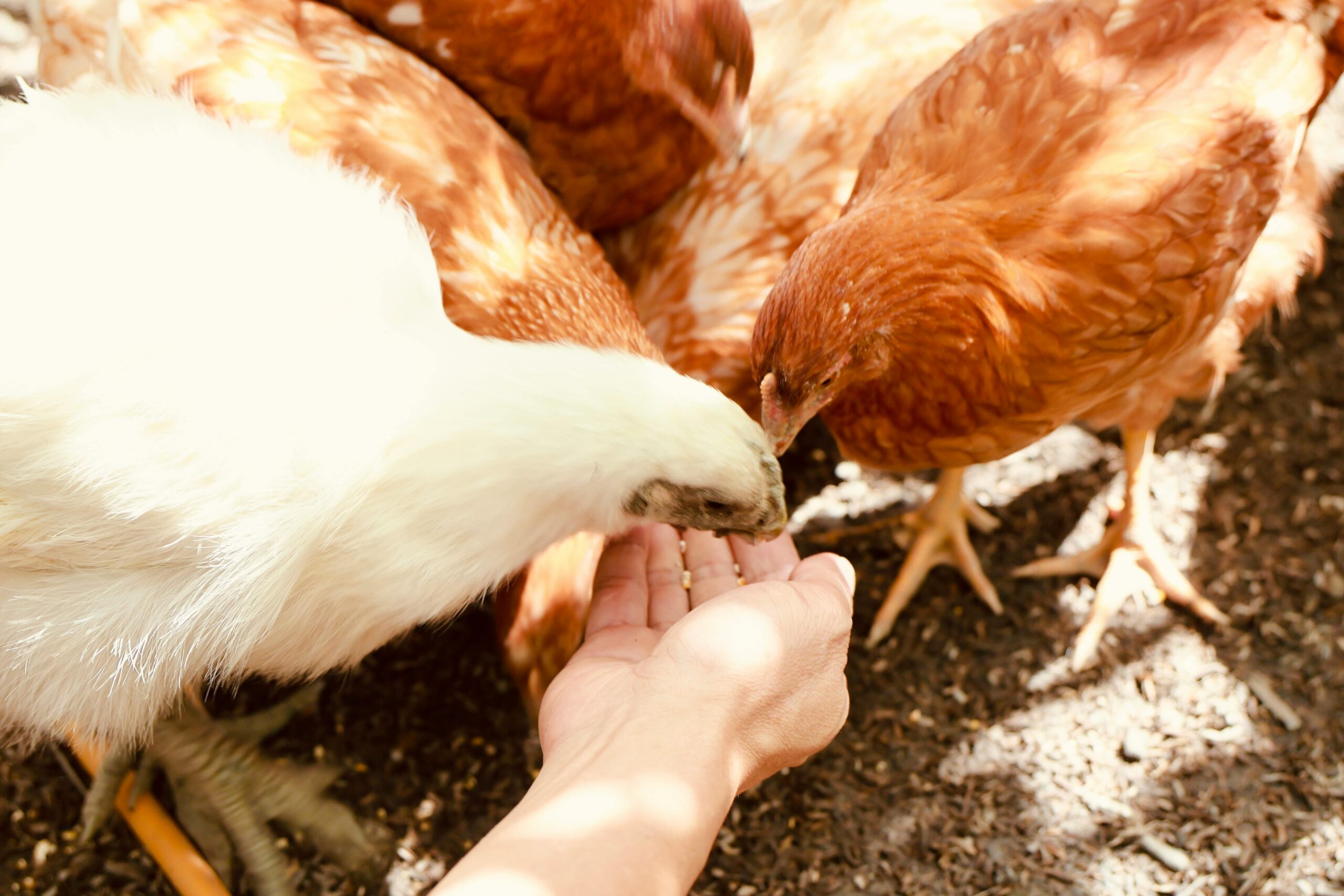
    Feeding chicken by hand.
    Feeding chicken on a farm.


    Do not overfeed either. Obese layers produce fewer eggs. That is not a theory. That is biology.


    Here is a tip most farmers do not know: give 40% of the day’s feed in the morning and 60% in the evening.

    Why? Because calcium from feed is absorbed at night, when the hen is forming the eggshell.

    More feed in the evening means more calcium available when the bird needs it most. Better calcium absorption means stronger shells and better quality eggs.

    3. Feed Quality

    Cheap feed is expensive. Read that again.


    Poor quality feed means poor egg production. Often below break-even.

    Yet very expensive feed can also kill your profits from the other side.

    The goal with layer chicken feeding is to find the sweet spot — good production rate, fair price, healthy profit margin.


    Try different feeds when you are starting out. Record the production results for each one. Then make your own decision based on data, not a salesperson’s pitch.


    Feed companies are in business to make money. Sometimes that is at your expense.

    Choose feeds that work for your farm, not feeds with the most attractive packaging or loudest brand ambassador.

    4. Supplements

    Your layers need more than feed alone.


    Calcium tops the list, especially during the laying phase. Without enough calcium, shell quality drops and birds can develop bone problems.


    Add zinc, vitamins, and amino acids too. These support immunity, bone strength, and consistent egg production.

    If your current feed does not include them, supplement separately.


    Do not skip this step. Supplements are cheap compared to the cost of poor production or sick birds.

    5. Water

    You are right — water is not food.


    That is exactly why it is on this list.
    Water is the most important input on your layer farm. More important than feed.

    Here is proof: if you run out of feed for a day, you can open the coop and let the birds free range. Problem delayed.
    Run out of water? There is no workaround. They will die.


    Ensure your chickens have clean, fresh water available at all times. There is a rule that experienced farmers live by: if you can not drink it, do not give it to your birds.


    Replace water in drinkers daily. Do not let it sit. Still water grows bacteria. Bacteria causes disease. Disease destroys your flock.


    Clean water is the simplest thing you can do for your birds. No excuses.

    6. Feeder And Drinker Management

    Imagine I invited you for dinner. Your favorite meal, perfectly cooked. But I served it on a dirty, crusted plate.
    Would you eat it?


    Your layers will. They have no choice. But dirty feeders and drinkers are dangerous. Mold and harmful bacteria accumulate fast. Once your birds ingest them, disease follows.


    Clean your feeders and drinkers thoroughly once a week.

    Use clean water, soap, and disinfectant.

    Let them air-dry completely before use.

    And if a feeder is visibly dirty before the week is up, clean it. Common sense overrules the calendar.

    A few more tips for drinkers and feeders setup:

    Fill feeders only halfway. Birds that eat from overfilled feeders spill feed. That spilled feed is wasted money. Half-full feeders ration the portion and reduce waste.


    Raise feeders to neck level. Adjust as the birds grow. This reduces spillage and keeps litter out of the feed.


    Space feeders evenly. No bird should walk too far to reach food or water. Poor spacing triggers competition, stress, and energy loss — energy that should be going into egg production.


    Use enough feeders and drinkers. Not too few to cause crowding. Not too many to make cleaning a burden.


    Remember: biosecurity is your first vaccination. Clean equipment is part of biosecurity.

    ….


    Layer chicken feeding is not complicated. But it demands consistency, observation, and discipline.


    Get the timing right. Get the quantity right. Get the quality right. Keep the water clean. Keep the equipment clean. Add the supplements your birds need.


    Do those six things well and your layers will reward you with steady production, strong shells, and a profitable farm.

    If you’re struggling with brooding your day old chicks,

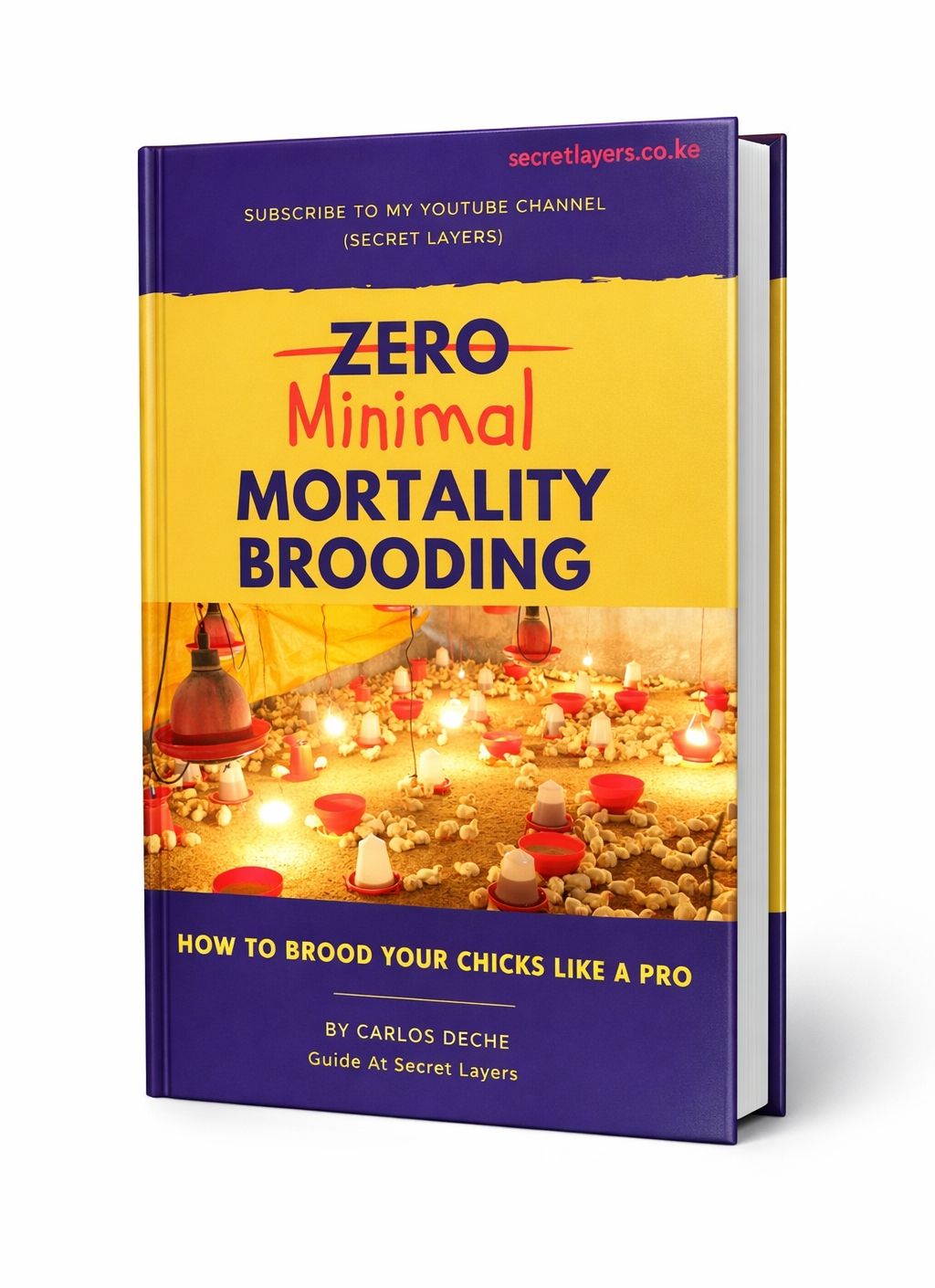
    I put together a Free Brooding Guide covering how to prepare for chick arrival, how to receive day-old chicks, and the 8 brooding principles every farmer needs to know.

    Grab your Free copy here👇🏿

    Free Brooding Guide For Poultry Farmers. Zero (Minimal) Mortality Brooding. How To Brood Your Chicks Like A Pro. By Carlos Deche Guide At Secret Layers
    Name
    Limited access. Join other serious farmers who have taken the guide and get support.


    See you next Friday!

  • The Story Of Buddha And The Second Arrow


    Once, Buddha was trying to teach his students a lesson.

    So, he sat them under a tree and asked them a question.

    “If I shoot you with an arrow, would it hurt?”

    “Yes,” the students said in unison.


    Then, he asked another question.


    “If I shoot you again with a second arrow at the same spot, would it hurt?”

    This time, the students looked shocked.

    “Of course it would,” they replied.

    A Buddha holding an arrow about to shoot. Buddha means enlightened one and this is used in a Secret Layers story to educate farmers.


    At this point, Buddha cleared his throat and continued.


    “In life, we are usually hit with two arrows.”


    First, there is the arrow of life.
    This includes suffering, loss, disease, and disappointment.
    All these things are painful.
    However, most of them are not under our control.


    Then comes the second arrow.
    This is how we respond to the first one
    .
    For example, it is the self-criticism, the overthinking, and the doubt.

    In addition, it is the constant questioning and denial.

    As a result, this second arrow becomes even more painful.

    But here is the most important part.
    The second arrow is totally under your control.


    Therefore, how you react to problems determines your level of suffering.
    As it is often said, pain is inevitable, but suffering is optional.

    Now, What Does This Have To Do With Farming?

    I believe you cannot become a successful farmer before you master yourself.

    You see, life as a farmer will hit you from all sides.

    Anything that can go wrong on your farm will go wrong.

    At the same time, life will also keep happening.

    You will get sick.
    Your family and friends will get sick.
    You might lose your job.
    You will even get into disagreements.


    So, what really matters is not whether these things happen.

    Instead, it is how you respond to them.
    Spending all your time focusing on problems will not help you.


    However, acknowledging what happened and focusing on solutions will.


    That is what separates you from other farmers.


    In fact, as Alex Hormozi and Leila Hormozi often say:
    “F**k your mood. Follow the plan.”

    That is the mindset you need to have.


    By the way, if you have been struggling with early chick deaths within the first one month, I created something for you.

    Get this Free Brooding Guide, and I will also send you a bonus Layer Poultry Farming Guide.

    Free Brooding Guide For Poultry Farmers. Zero (Minimal) Mortality Brooding. How To Brood Your Chicks Like A Pro. By Carlos Deche Guide At Secret Layers
    Name
    Limited access. Join other serious farmers who have taken the guide and get support.


    See you on Friday!


    carlosdeche4040@gmail.com
    secretlayerske@gmail.com

  • Ask A Broiler Farmer, Then Ask A Layer Farmer

    Some lessons hit you in ways you never forget—this one came from chickens.


    When I was growing up, I spent a lot of time around poultry farms. One morning, my dad decided to take us to see how different types of chicken farms operate.

    We arrived at the broiler farm just as the sun was rising. The air was thick with the smell of feed and the soft hum of ventilation fans. Workers moved quickly, carrying the chickens from their pens toward the processing area. The birds scattered and squawked, jostling against one another. You could almost feel their fear—they knew what was coming. My dad led us aside before we saw anything more, but the lesson was already clear: these birds were being raised for a single, final payoff. Everything on the farm was geared toward one moment—the sale.


    A few days later, my dad took us to a layer farm. The difference hit me immediately. The hens moved calmly, pecking at the feed, scratching the ground, and laying eggs day after day. The barn was quieter, the atmosphere almost peaceful. The farmer collected the eggs as they came, creating a steady, predictable flow of income. Unlike the broiler farm, success here didn’t depend on selling the birds—it depended on the output they produced consistently.

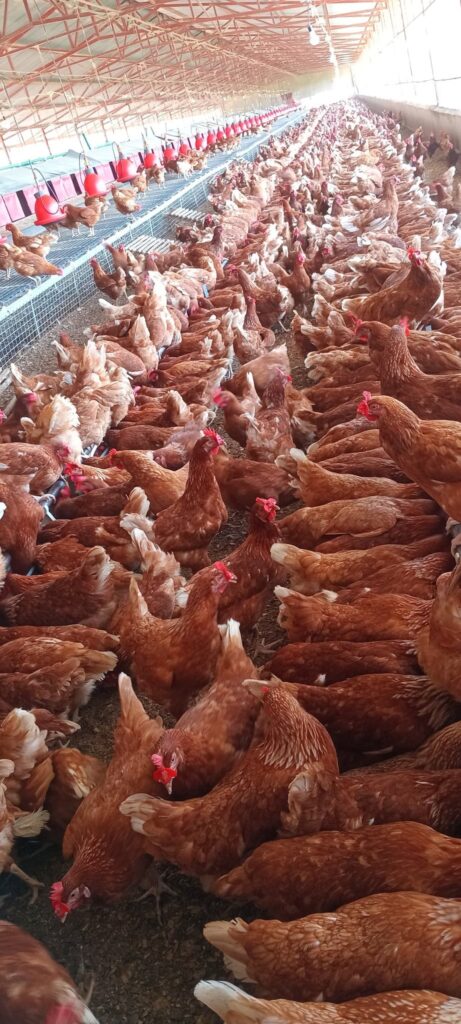
    Many layer chicken kept for eggs in a big poultry house.
    Layer Chicken in a poultry house.


    My dad stopped and looked at me. “See the difference?” he asked. Both farms own valuable assets—the chickens—but they treat them in completely different ways.

    The broiler farmer is like an investor chasing capital gains: the money comes only at the end, when the asset is sold.

    The layer farmer is like an investor chasing cash flow: the asset produces money day after day, steadily and reliably.

    Most people invest like broiler farmers—they wait for a single big payout and call it risky. The wiser approach is to think like the layer farmer and be the layer farmer: focus on cash flow, let your assets work for you every day, and build wealth steadily.

    The secret isn’t in waiting for the sale—it’s in learning to milk what you already have.

    This is a fictional story inspired by the story of the cattle rancher and dairy farmer in Robert Kiyosaki’s book : Who Took My Money? Why Slow Investors Lose And Fast Money Wins.

    See you next Friday!

    carlosdeche4040@gmail.com

    secretlayerske@gmail.com

  • Everything You Need To Know About Layer Poultry Farming

    Ludwig Wittgenstein
    ‎“The limits of my language mean the limits of my world.”


    ‎You can’t operate expertly in a field if you don’t understand the words that define it.
    ‎
    ‎This is everything you should know about layer chicken, layer poultry farming and the business of layers.
    ‎
    ‎The list will be updated every week with new information.
    ‎
    ‎Please learn.
    ‎
    ‎
    ‎Layers – Adult hens raised primarily for egg production. In layer poultry farming, layers are the backbone of your egg business, providing consistent daily eggs once they reach maturity.


    ‎
    ‎Pullets – Young female chickens, usually under 20 weeks old, that have not yet started laying eggs. Pullets are the future layers of your flock.


    ‎
    ‎Day-Old Chicks (DOCs) – Newly hatched chicks, only a day old. Farmers buy day-old chicks to rear them into pullets or point-of-lay birds for egg production.


    ‎
    ‎Point of Lay (POL) – Birds that are about 16–20 weeks old and ready to start laying eggs. Point-of-lay hens are ideal for farmers who want to begin egg production quickly.


    ‎
    ‎Feeder – A container or tray used to provide feed to your birds. Using the right feeder in layer poultry farming ensures minimal feed wastage and healthy growth.


    ‎
    ‎Drinker – Equipment that supplies clean water to chickens. Proper drinkers are crucial for layers’ health and optimal egg production.
    ‎


    ‎Brooding – The process of keeping chicks warm, usually with a heat source, during their first few weeks. Brooding is critical to prevent chick mortality.


    ‎
    ‎Incubator – A machine used to hatch eggs artificially by maintaining the right temperature and humidity. Incubators allow farmers to hatch chicks without using a broody hen.


    ‎
    ‎Mortality – The number of birds that die within a flock over a given period. Low mortality rates indicate good management in layer poultry farming.


    ‎
    ‎Layer Mash – A balanced feed specially formulated for laying hens to maximize egg production and quality. Layer mash provides the nutrients needed for strong shells and healthy layers.


    ‎
    ‎Bird – A general term for chickens, hens, or roosters in your flock. In layer poultry farming, the term usually refers to your egg-laying hens.


    ‎
    ‎Feed to Egg Conversion Ratio (FCR) – A measure of how efficiently a layer converts feed into eggs. Lower FCR means better efficiency and higher profitability.


    ‎
    ‎Ex-Layers / Spent Layers – Hens that have completed their peak laying period and are no longer productive. Farmers often sell them for meat or dispose of them responsibly.


    ‎
    ‎Debeaking – A management practice where part of a chicken’s beak is trimmed to prevent feather pecking or cannibalism. Debeaking helps protect your flock in crowded layer farms.


    ‎
    ‎Culling – The process of removing weak, sick, or unproductive birds from the flock. Culling ensures only healthy layers remain for maximum egg production.


    ‎
    ‎Litter – Bedding material, like wood shavings or straw, used on the poultry house floor. Proper litter management keeps your birds healthy and reduces disease risk.


    ‎
    ‎Cages – Enclosures used to house layers, especially in commercial layer poultry farming. Cage systems help manage feed, water, and egg collection efficiently.
    ‎


    ‎Newcastle Disease – A highly contagious viral disease that affects chickens, causing respiratory issues and high mortality. Vaccination is critical to protect your flock.
    ‎


    ‎Infectious Bronchitis (IB) – A viral disease in poultry that affects the respiratory system and egg production. Proper biosecurity and vaccination reduce the risk.


    ‎
    ‎Marek’s Disease – A viral disease in chickens that causes tumors and paralysis. Vaccinating day-old chicks helps prevent Marek’s in your flock.
    ‎


    ‎Deworming – The process of giving chickens medication to remove internal parasites. Regular deworming keeps your layers healthy and improves feed-to-egg efficiency.
    ‎


    ‎Gumboro (Infectious Bursal Disease– A viral disease affecting young chickens, weakening their immune system. Vaccination protects your flock and supports healthy layer development.
    ‎


    ‎Starter Mash – A high-protein feed for day-old chicks to ensure healthy growth in the first few weeks. Starter mash is the foundation for strong pullets.
    ‎


    ‎Grower Mash – Feed given to pullets after the starter stage but before they begin laying eggs. Grower mash ensures proper growth and readiness for point-of-lay.
    ‎


    ‎Free Range – A system where chickens can roam outdoors for part of the day. Free-range layers often produce healthier eggs and can command a premium price.
    ‎


    ‎Pasture Raised – Chickens raised primarily outdoors on pasture with access to insects and grasses. Pasture-raised layers provide high-quality, nutrient-rich eggs and enjoy better welfare.

    See you next Friday!

    carlosdeche4040@gmail com

    secretlayerske@gmail.com

  • The 8 Brooding Principles Every Poultry Farmer Must Know

    Brooding chicks is the make-or-break stage for any poultry farmer. Get it wrong, and you could lose over 80% of your flock — that’s future profit gone. Get it right, and mortality drops to below 5%, which is the accepted standard in poultry farming.

    If you’ve ever struggled with brooding or just want to perfect your skills, this guide is for you. You’ll learn the 8 essential brooding principles that ensure healthy chicks and minimal losses — from temperature control to security.

    I’ve referenced layers in this post because that’s all Secret Layers is about. But, whether you’re into layer poultry farming or broilers, these principles apply to all. Only slight timing and quantity adjustments differ. Let’s dive in. đŸ„


    1. Temperature Regulation

    Temperature control is the heart of brooding chicks. It ensures your birds stay comfortable, active, and healthy.

    Start your brooding temperature at 28–30°C on day one, then reduce by about 2°C every week. However, always follow your hatchery’s specific temperature guidelines — some breeds may vary.

    Monitor temperature daily using a thermometer. But also read your chicks’ behavior:

    Crowded near heat source: Too cold — increase heat.

    Far from heat source: Too hot — reduce heat.

    Evenly spread: Perfect temperature
    .


    Consistent temperature management during the brooding period prevents heat or cold stress and sets the foundation for strong growth.

    Day old chicks starting their brooding phase.They have everything they need - light,heat for temperature,feed and water.
    Master your brooding. Master your your profits. See the various aspects of brooding present in this setup.

    2. Lighting

    Light is more than visibility; it affects chick behavior and growth. During the first week, provide 24 hours of light to help chicks find feed and water easily. This continuous light encourages constant feeding, which supports rapid growth.

    As they grow, gradually reduce light to about 18 hours a day by the end of the brooding period. However, avoid bright or harsh lighting — it may trigger feather pecking or cannibalism.

    Proper lighting promotes calm, active feeding behavior and balanced growth — vital for your chicks.

    3. Feed And Water

    In chicken farming, feed and water are everything. Healthy chicks depend on consistent access to clean water and quality feed.

    Keep feeders and drinkers filled and refreshed regularly. Chicks need feed available at all times, especially during the first few weeks. As they grow, increase the feed amount gradually to match their size and appetite using supplier standards.

    Use starter mash from trusted suppliers and avoid cheap, low-quality feeds that may harm your birds’ long-term production. Feed too little and they’ll starve or weaken; feed too much and you’ll waste money or cause obesity.

    For water, remember: if you can’t drink it, don’t give it to your chicks. Provide clean, fresh water at all times to prevent disease.

    4. Disease Management

    Diseases are the most unpredictable threat in poultry farming. They strike without warning and can wipe out an entire flock in one day. To protect your chicks, you must combine vaccination and biosecurity.

    Vaccination

    Follow a proper vaccination schedule from your hatchery or local vet. Vaccines are for prevention, not cure. Therefore, vaccinate even when your chicks appear healthy.

    Biosecurity

    Prevent disease entry and spread by enforcing strict hygiene:

    ✅Disinfect before entering the brooder.

    ✅Limit access to authorized personnel only.

    ✅Clean feeders and drinkers daily.

    ✅Control pests like rats and mites.

    ✅Isolate and treat sick birds immediately.


    Following these steps reduces disease risks and keeps your flock safe and productive.

    I’ll publish a post on all the biosecurity measures to enforce on your farm soon.

    5. Litter Management

    Litter provides warmth and comfort — but if poorly managed, it can kill your chicks. Keep it dry and fluffy, removing wet or caked areas regularly. Wet litter breeds germs and raises ammonia levels, which can harm chicks’ respiratory systems.

    The brooding period for layers lasts about six to eight weeks, so complete litter changes may not always be necessary. However, if it becomes too wet or muddy, change it immediately. Regularly turning the litter keeps it dry and healthy.

    Proper litter management means cleaner air, fewer diseases, and happier chicks.


    6. Spacing

    Did you like high school? Remember how good it felt when you finally left? Your chicks feel the same when given enough space.

    Cramped brooders cause stress, slow growth, and higher mortality. Ensure adequate space per chick, depending on your heat source and brooder design. As your chicks grow, expand the brooder to maintain comfort.

    Overcrowding increases competition for feed and water, while too much space wastes litter and heat. The goal is balance — efficient use of space that keeps chicks active and comfortable.

    7. Ventilation

    Brooders hold many chicks, producing heat, carbon dioxide, and ammonia. Poor ventilation traps these gases and endangers your flock.

    Ensure your brooder is well-aerated to allow fresh air in and remove stale air. During hot days, open windows for natural airflow. However, cover them at night or when it’s cold to prevent chills.

    If you can smell ammonia or feel stuffiness, ventilation is poor. Good air circulation keeps chicks healthy and reduces respiratory stress.

    8. Security

    Finally, protect your chicks. Not from disease — but from predators and theft. Rats, snakes, cats, dogs, and even people can destroy your hard work overnight.

    Secure your chicken house with strong materials, close holes, and maintain clean surroundings. Use dogs for protection, cats for rodent control, and, if possible, simple CCTVs or motion lights for extra security.

    Without proper security, all your other efforts in brooding chicks can go to waste.


    The 8 Brooding Principles Recap

    1ïžâƒŁ Temperature Regulation – Maintain proper warmth and observe chick behavior.

    2ïžâƒŁ Lighting – Adjust light hours for feeding and calm growth.

    3ïžâƒŁ Feed & Water – Always provide clean water and quality feed.

    4ïžâƒŁ Disease Management – Combine vaccination and biosecurity.

    5ïžâƒŁ Litter Management – Keep litter dry, clean, and well-turned.

    6ïžâƒŁ Spacing – Expand brooder area as chicks grow.

    7ïžâƒŁ Ventilation – Ensure fresh air and control ammonia buildup.

    8ïžâƒŁ Security – Protect chicks from predators and theft.


    And that’s it — your 8 brooding principles for raising strong, healthy chicks. Follow them and you’ll never fear the brooding period again.

    No more risky business of buying point-of-lay hens just because brooding feels hard. You’ll raise your own chicks, grow them into profitable layers, and keep every bit of the profit yourself.

    Then you can even sell quality Point of Lay birds of you want to😅

    Keep learning, keep improving, and always innovate — that’s how you grow in layer poultry farming.

    > Remember ;
    Master your brooding. Master your profits.


    Get my Free Layer Poultry Farming Guide and receive regular Layer Chicken Digest tips straight to your inbox.

    Free beginners guide to starting a profitable layer poultry farm. Step by step guide.
    Name
    Limited access. Join other serious farmers who have taken the guide and get support.

    See you next Friday!

    carlosdeche4040@gmail.com

    secretlayerske@gmail.com

  • NYOTA Fund : How I’d Use It To Build A Profitable Business

    If someone gave you Ksh.50,000 today, what would you do with it?

    This is how I would turn Ksh.50,000 (approximately $385) into a thriving business through the NYOTA Program Kenya.

    The government of Kenya, through the NYOTA Program, is offering grants and training to empower Kenyan youth. It’s an amazing opportunity for those who qualify. Unfortunately, I don’t meet the criteria for application, but if I did, here’s exactly how I would use the funds to build a sustainable business.

    Not something lifeless or short-term, but a venture with a real vision of growth.

    It’s sad that many businesses started through such government programs die off within a year. Evidence from the earlier Youth Enterprise Development Fund (YEDF) shows that only a small percentage survive past five years.

    That’s why I decided to share how I would personally use the NYOTA grant and the strategies I would apply to make the business last. I hope you’ll find value in it and maybe borrow a few ideas for your own plan.

    By the way, congratulations if you received the grant!

    Step 1 : Decide And Commit To One Business

    The first thing I would do is make a clear decision and commit to one business. I would choose layer poultry farming — and I have good reasons for it which you can check here👇🏿

    6 Reasons Why I Chose Layers Over Broilers

    It’s something I’ve been studying and researching for a long time, and that focus gives me an edge.

    There are many profitable opportunities out there. However, without clarity, it’s easy to end up confused and scattered.

    So I would decide, commit, and lock in.
    No broilers. No goats. No hotel. No forex.

    Layer poultry farming only.

    Step 2 : Learn

    Before starting, I would spend one to two weeks learning everything about layer poultry farming. That means not just how to raise the birds, but also how to run the business side of things.

    I’d study topics such as:

    ✅Brooding

    ✅Feeding

    ✅Disease management

    ✅Marketing and sales

    ✅Branding and negotiation


    In addition, I would visit established layer farmers and learn directly from their experiences. I’d talk to egg traders — both wholesalers and retailers — to understand the egg business better.

    I’d also reach out to poultry experts for practical advice.

    Meanwhile, I would get a reliable internet connection for a week and binge-watch YouTube videos about layer poultry farming in Kenya. I’d read blogs, success stories, and mistake lists.

    Of course, I would also check X, Facebook, and TikTok pages of farmers to see what works for them.

    Secret Layers is already a good place to start for this kind of information — both technical poultry farming and business.

    To help with this learning phase, I have a Free Layer Poultry Farming Guide you can get here 👇🏿

    Free Layer Poultry Farming Guide

    Another skill I would add is content creation. There are countless free online resources on how to make engaging and educational farming content.

    After one or two weeks, I wouldn’t be an expert yet, but I’d know enough to start my layer farm confidently.

    Step 3 : Start The Farm

    Many layer chicken kept for eggs in a big poultry house.
    Layer Chicken in a poultry house. While Ksh.50k won’t get you this at first, with a long term business strategy you can get here.

    Next, I would begin the actual farm setup. My plan would be to start with 50 layer chickens. That’s enough to make sense as a business but still manageable for a beginner.

    However, there’s one issue. Starting a 50-bird layer poultry farm in Kenya costs around Ksh.91,000, according to my recent research (see the cost breakdown here👇🏿

    The True Cost Of Starting A Layer Poultry Farm


    Yet, the NYOTA Program grant is only Ksh.50,000.

    So how would I bridge that gap?

    I have a plan — and I’ll share how to make it work. Just trust me and follow the logic to the end.

    I would follow the exact process outlined in my Free guide to set up the farm and get my chicks started.

    At this point, the farm would be running.

    Now, layer chickens take about four and a half months before they begin laying eggs. That means no cash flow for about five months.

    So what next?

    Step 4 : Create Content Around My Farming Journey

    During this waiting period, I would focus on creating content. I’d document my entire journey from day one — every success, failure, and lesson learned.

    Don’t frown yet. Maybe if I say “teach people what I’m learning,” it will sound better. But yes, I’d share my journey publicly.

    This would include content across YouTube, TikTok, Facebook, X, and Pinterest. However, I’d focus mainly on the three I use most — Facebook, X, and YouTube.

    This approach is exactly how Secret Layers started — by teaching and documenting.

    For instance you can watch the YouTube video of this blog post here👇🏿

    https://youtu.be/0B_B0QsqW50?si=7NCNMw7cNJ7jBiQc

    Setting up social media accounts is free. The only small cost would be basic content tools like a ring light, tripod stand, and microphone — not more than Ksh.3,000 ($23).

    There are two main reasons for creating content:

    1. To build a brand around my farm.
    The content would serve as my marketing and branding engine.


    2. To create a potential income stream.
    In time, monetizing these platforms could bring in more money to grow the farm further.


    At that point, I’d have two things running – a real farm and a growing online brand.

    That’s the foundation of a long-term business.

    Now The Secret To Make My Whole Plan To Work

    Step 5 : Partner With Another Beneficiary

    Now, remember that the cost of starting the 50-bird farm is Ksh.91,000, but the grant is only Ksh.50,000.

    Here’s the secret to make it work.

    I would partner with another NYOTA Program beneficiary. Together, we would combine our grants for a total of Ksh.100,000.

    The NYOTA Program includes a training period before the funding phase. I’d use that time to identify a serious, like-minded partner — preferably someone from my area, maybe a friend, or someone who shares my farming vision.

    Finding the right partner isn’t always easy, but it’s the smartest way to make this plan possible. And I would treat it like my life depended on it.


    That’s my blueprint for how I would use the NYOTA Program grant to build a sustainable and profitable business.

    You don’t need millions to start. With focus, learning, and creativity, you can turn Ksh.50,000 into something that grows year after year.

    If you’ve received the NYOTA grant, congratulations again. Use it wisely, and build something that will last beyond five years.


    💡 If you want to start your own layer poultry business..


    Get my Free Guide: 6 Steps to Start a Profitable Layers Poultry Farm here👇🏿

    Free beginners guide to starting a profitable layer poultry farm. Step by step guide.
    Name
    Limited access. Join other serious farmers who have taken the guide and get support.


    And I’d love to hear your thoughts — what would you do with your Ksh.50,000 NYOTA grant?

    Let me know in the comments.

    See you next Friday!

    carlosdeche4040@gmail.com

    secretlayerske@gmail.com

  • The Funeral (Part Two)

    If you missed part one read it here before you proceed👇🏿

    The Funeral (Part One)

    August 4th, 2025 — Monday

    “Bye. Have a good day,” Niss said to the pickup driver.

    She wiped her forehead. That was too much work for one day. All she wanted now was rest.

    Just as she reached for her door, she heard a voice behind her.

    “Enye.”

    Enye is a Mijikenda word that means The Owners. It’s used as you would say, Hello. Anyone home?

    Niss sighed. Who is this now? I just need a break.

    “Enye,” she answered back, walking toward the gate.

    It was her friend.

    After ten long minutes of African-style greetings and laughter, her friend finally asked,
    “I saw a pickup. What was it here for?”

    What? Niss wondered. You came all the way here just to ask that?

    Anyway.

    “Those were feeds,” Niss said. “I bought feeds for my birds. They were just delivering them. How are you doing with yours?”


    “Oh, me
” Her friend paused and smiled.

    “You see, I realized that feeds are the most expensive cost on a layer farm.”

    “Yes, that’s true,” Niss said confidently. “I spend crazy amounts of money on feed.”

    “And I figured out the best way to cut that cost,” her friend went on, “is to make your own feed.”

    She sounded proud.
    “So now I’m talking to some farmers and companies — maize, soybeans, sunflower — trying to make deals so I can get the raw materials. That way, I’ll make my own feed. If I cut that cost, I’ll get more profit. These feed companies are exploiting us. I won’t be one of their victims.”

    Niss nodded politely.

    “Anyway, have a good day,” her friend said, turning toward home.

    Niss just stood there. Her mind echoed one word: Why. Why. Why.

    The Funeral (2)

    October 15th, 2025 – Wednesday

    Niss’s phone rang.
    It was her friend again.

    She picked it up half-heartedly.

    “Guess what, Niss! I’ve gotten the contract!”

    “What contract?” Niss asked, confused.

    “For Ngerenya Secondary School! I talked to the principal. I told him I’m starting a one-thousand-bird layer farm and that I’d like to supply them eggs every week. And he said yes! I’m so happy.”

    She went on, voice bubbling with excitement.
    “Now I just need two more schools, and all my eggs will have a market once I start producing. I won’t even struggle.”

    Niss felt heat rising in her chest. Her hands trembled.
    Anger boiled inside her — not hate, but the kind that burns when someone just doesn’t get it.

    She took a deep breath and said it.

    “Friend.
    Number one — the principal lied to you.
    Number two — and most important — start your damn farm.

    Which eggs will you sell?
    Who will you be making the feeds for?
    Which chickens did you buy the land for?

    START your farm.”


    Then she hung up.

    Yellow day old layer chicks.Definitely still in brooding out on the farm with a spade - a commonly used farm tool/equipment
    It’s heartbreaking seeing your chicks.Whether on day one of arrival or any other time.

    Was that the death of a dream?

    Was it the end?

    Was that the end of their friendship?
    Niss didn’t know.
    But at least she knew she’d told her friend the truth.


    Are you like Niss’s friend?

    You keep planning.
    You keep talking.
    You keep making deals.

    But you never start.

    If that’s you — start now.

    Register below to get this Free Layer Poultry Guide and Regular Layer Chicken digest tips straight to your email.

    Free beginners guide to starting a profitable layer poultry farm. Step by step guide.


    Name
    Limited access. Join other serious farmers who have taken the guide and get support.

    carlosdeche4040@gmail.com

    secretlayerske@gmail.com

  • The Rosemary-Fed Chicken

    Out Of The Cell

    Niss walked out of the police station feeling angry, guilty, and embarrassed.

    Grrrr. Her stomach rumbled. Hunger joined the list of things gnawing at her.

    The Cafe That Took Everything

    It was a long way home, so she slipped into a small café and ordered quickly. It had been ages since she last ate in a restaurant, and the thought itself felt strange. After what seemed like hours to the waiter, she finally settled on ugali skuma. The plate hit her table in five minutes, and by the seventh it was gone.

    She stared at the empty plate, stunned. That small food for seventy shillings? Rage burned hotter. This president will kill us all.

    Fumbling through her leso for coins, she came up empty. That’s when a man who had been watching her closely stood, paid her bill without a word, and left her more embarrassed than grateful.

    The Stranger With Promises

    She walked home, bracing herself for her children. She hadn’t seen them since yesterday, when she had left with her colleagues to riot against the merchants.

    But the riot hadn’t started there.

    It had started a few weeks back, in her own compound. She was seated with her kids one evening when a young man appeared. He looked sharp—probably a gym type, shoulders squared, the kind who seemed to know exactly what he was doing in life. Definitely not like my husband when he was young, she thought.

    He introduced himself as part of an NGO empowering women. His words dripped with promise. Twenty minutes later, he walked away with a KSh 20,000 commitment from her, paid in three installments. In her hands he left a bundle of seedlings. Rosemary.

    A Marvelous Scam

    Plant them, he said. In a month, they’d mature. His NGO would come for them and pay KSh 60,000. A three-times return. Marvelous, wasn’t it?

    True enough, the rosemary grew and matured right on time. But on the promised harvest day, no one came. One week passed. Two. Three. Nothing.

    The man had vanished. The NGO had never existed. And her money—gone.

    Chicken Don’t Wait

    That was the money Niss had set aside for her first batch of layers. Her chicks were now four weeks old. In another four, they would need growers mash. She thought she could “invest” the feed money, flip it fast, and come out with plenty. But the plan crumbled.

    Desperation turned to fury. She joined neighbors—victims of the same scam—and they stormed the streets, shouting, demanding answers. That night, they slept in a police cell.

    The Lesson In The Dark

    Sitting on the cold floor, Niss finally admitted the truth: it was her fault.

    She had ignored the one principle she’d read before: Go deep first, then go wide. The Secret Layers guide had always said it. Focus on one venture. Master it before chasing others. But she wanted shortcuts. Easy money. And now her birds were hungry.

    Rosemary Fed Chicken

    That afternoon, walking back toward her house, the lesson burned in her mind.

    Well, she thought, glancing at the stack of rosemary in the corner of her yard, at least I still have this. Is it edible? Maybe. But what if—

    Her lips curled into a sly smile.

    Rosemary-fed chickens. Eggs with a twist. Maybe people will pay for that. Maybe this is how I begin again.

    Register for our regular Layer Chicken Digest Tips below.

    Name
    Limited access. Join other serious farmers who have taken the guide and get support.

    See you on the blog!

    secretlayerske@gmail.com

    carlosdeche4040@gmail.com

  • Battery Cage Vs Deep Litter : 7 Differences

    Battery cage vs deep litter system is one of the first choices every poultry farmer has to make.

    Many new farmers think they must buy cages to succeed. But the truth is simple: cages don’t lay eggs, birds do!

    So stop postponing your dream farm based on lies. In this post, I’ll show you 7 clear differences between battery cages and the deep litter system. With this, you’ll make the right choice for your farm.

    One of the many decisions a beginner layer farmer has to make.Read to know what to consider when deciding.

    1. SetUp Costs

    Battery cages are more expensive to buy and set up compared to deep litter.

    Why? Cages are made from galvanized metal. Deep litter, on the other hand, can use cheap by-products like coffee husks, rice husks, or wood shavings. While prices differ from place to place, cages will always cost more.

    If you’re short on cash, deep litter is a practical way to start. You can upgrade to cages later. Don’t buy cages just to look fancy and then end up starving your birds.

    2. Ongoing Costs

    The deep litter system has more ongoing costs than battery cages. Buying cages is a one-off cost for a batch of birds. You don’t keep buying them again. However, litter needs frequent replacement to prevent diseases.

    This means the deep litter system can feel more expensive in the long run. On the other hand, the initial investment for cages is heavier, which many farmers struggle with.

    3. Disease Management

    Disease spreads faster in deep litter than in battery cages.

    Since cage birds are separated, one sick hen is less likely to infect the rest. In addition, it’s easier to see and isolate sick birds in cages. In deep litter, birds mix freely, so transmission is quick and hard to control. Therefore, a disease outbreak in deep litter can cause higher losses. However, with proper vaccination, cleaning, and management, both systems can still keep birds healthy.

    4. Ease of Management

    It is generally easier to manage birds in cages than in the deep litter system.

    For example, farmers can vaccinate, count birds, collect eggs, and remove manure more quickly in cages. This reduces labor needs. If you hire workers, you may need fewer staff with cages, which saves money.

    On the other hand, deep litter gives birds more freedom, so management takes more time and effort.

    5. Space Required

    Cages make better use of limited space. Birds need less space per hen because cages are stacked vertically. This allows farmers to keep more layers in the same house. Therefore, if you have little land, cages might be your best solution. However, if you already have plenty of space, the deep litter system can still work well.

    6. Bird Happiness

    Happy birds produce better. Many farmers believe that birds in deep litter are happier because the system is closer to their natural environment. Although cages are more controlled, they limit bird movement. Think of it like life in high school—tight and controlled. Deep litter gives more freedom. However, happy birds do not always mean higher profits, so a farmer must balance welfare with production goals.

    7. Automation

    Automation should be the goal of every farmer who wants to grow big. It separates a business owner from someone who is self-employed. In this area, battery cages win. Because cages create a controlled environment, it is easier to automate egg collection, feeding, and cleaning. Deep litter is harder to automate since birds move freely, and conditions are less uniform.


    There you go! You now know the 7 main differences between battery cage vs deep litter system.

    Remember, there is no good or bad system. The right choice depends on your budget, space, goals, and beliefs. A farmer with limited cash may start with deep litter and upgrade later. Another farmer with limited land may go straight into cages.

    💬Let me know in the comments what you’re planning to use for your farm.

    Now that you’ve made your decision on the system, the next question is: what breed of layers will you keep? Check the top 3 layer breeds and learn the factors to consider when choosing a layer breed

    See you next Friday!

    carlosdeche4040@gmail.com

    secretlayerske@gmail.com