Tag: How to reduce feed costs

  • 4 Cheap Poultry Feed Options That Will Save You Money

    Feeds will kill your poultry business!

    But cheap poultry feed alternatives could save it.

    This is one of the first lessons farmers learn when they research the poultry business.

    Unfortunately, many beginners never research first. As a result, they pay dearly for that ignorance later.


    The reason is simple. On most poultry farms, feed alone takes 60–70% of the total production cost.
    Even worse, that cost can rise to 80% if feeding is poorly managed.

    Meanwhile, the commercial poultry feed business is a powerful industry on its own. In many cases, it is more profitable than poultry farming itself.


    For example, in 2026 De Heus Nutrition, one of the largest animal nutrition companies in the world, opened a new feed plant in Kenya.

    Interestingly, this happened despite the hundreds of animal feed companies already operating in the country.

    So why would such a big company still invest here?

    Clearly, the answer is simple. Feed demand is enormous.

    And because poultry feed is expensive, farmers have always looked for ways to lower this major cost.

    Therefore, many have experimented with cheap poultry feed alternatives.
    These options help farmers reduce reliance on commercial feeds.

    After all, commercial feeds are often expensive and sometimes unsustainable for small farmers.

    Personally, I have seen some farmers succeed with these alternatives. However, I do not have exact figures showing how much their feed costs dropped or how much their profits increased.

    Nevertheless, this post will introduce several cheap poultry feed alternatives used by farmers.

    Black soldier fly larvae vs azolla
    Before we start, which one would you use between these two?
    Let me know in the comments.

    First, let me make something clear.

    From what I have seen, these options work mostly for small poultry farms.

    Large commercial layer farms rarely depend on them.
    Therefore, if you run a small-scale poultry farm, this information will help you.

    1. Azolla

    Among all cheap poultry feed alternatives, Azolla has gained massive attention worldwide.
    In fact, many farmers see it as a small miracle plant.

    Scientifically, Azolla is a small aquatic fern. It grows quickly and can double its size every 72 hours.

    Because of this rapid growth, farmers can produce large amounts with very little space.
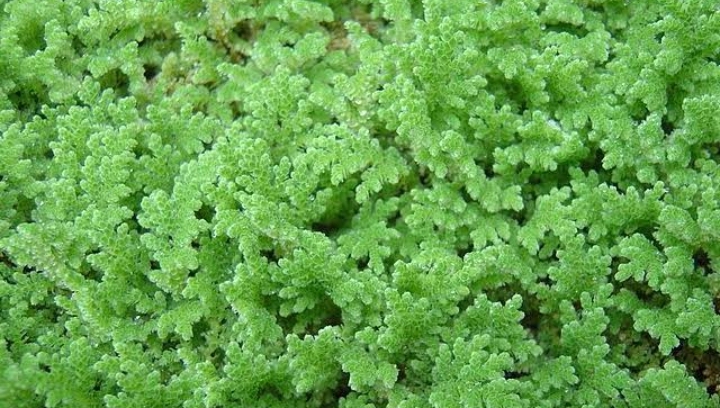
    Azolla.A cheap alternative feeds for poultry and livestock farmers.

    Additionally, Azolla contains high levels of protein and other nutrients useful for chickens.

    Another advantage is its simplicity. Farmers can learn how to grow Azolla in just a few hours.

    After harvesting, it can be fed fresh from the pond. Alternatively, farmers can dry it before feeding.

    However, there is one important warning.
    Azolla should only be used as a supplement, not a complete feed.

    Never feed chickens only Azolla.

    2. Black Soldier Fly Larvae
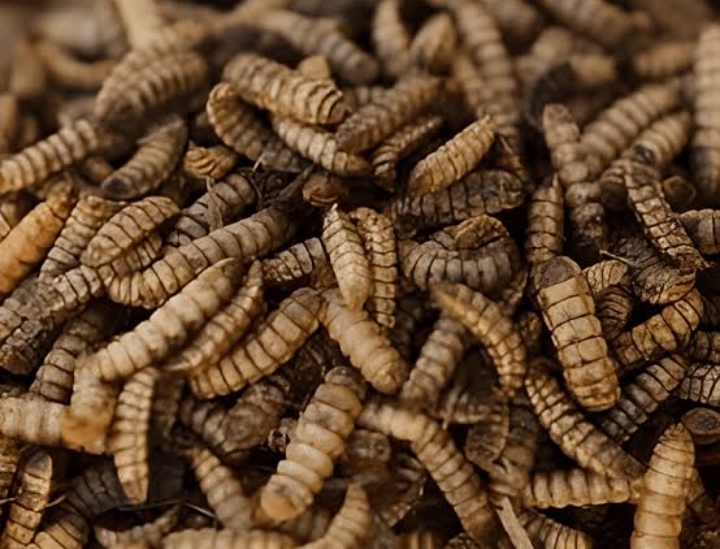
    Black soldier fly larvae

    If Azolla is Breaking Bad, then Black Soldier Fly Larvae are Better Call Saul.
    Although not as popular as Azolla, this option is also powerful.

    Black Soldier Fly larvae come from the black soldier fly insect. Farmers raise these flies using organic waste.

    During feeding, the flies lay eggs. Soon after, the eggs hatch into larvae.

    This process usually takes 10–15 days.

    These larvae contain extremely high protein levels. In fact, they contain more protein than Azolla.

    Because of this, many farmers use them to replace part of the commercial feed protein.


    Moreover, the system is simple. It is also fast and relatively cheap.

    As a result, many farmers consider this one of the best cheap poultry feed alternatives available.

    3. Hydroponic Fodder

    Another interesting option is hydroponic fodder.

    Many people believe hydroponics is part of the future of agriculture.

    Unlike traditional farming, hydroponics grows crops without soil.
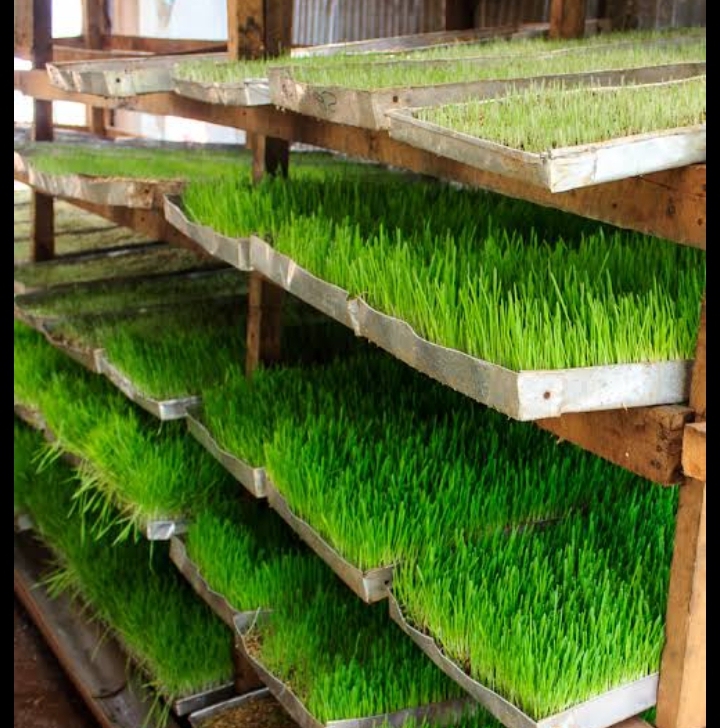
    Hydroponic fodder


    In this system, barley seeds are placed in trays and watered regularly.
    Within a few days, the seeds sprout into soft green fodder.

    At that stage, the young plants are fed directly to chickens.

    Unlike Azolla and larvae, hydroponic fodder mainly provides energy.

    Because of this, it can replace part of the energy portion of poultry feed.

    Furthermore, it grows quickly and requires very little land.

    Farmers also need no special degree or training to start.
    With small effort, this method can help reduce feed expenses by big margins.

    Before You See The Last Option,

    Get a Free copy of my Ebook on starting and running a profitable layer poultry farm👇🏿
    Free beginners guide to starting a profitable layer poultry farm. Step by Step guide.
    Name
    Limited access. Join other serious farmers who have taken the guide and get support.

    4. Garden Or Kitchen Food

    At home, I often struggle with free-range chickens during planting season.🥲

    They wait for maize to sprout. Then suddenly, they eat all the young leaves.

    Soon after, the plants grow again.

    Unfortunately, the chickens return and eat them again.

    Clearly, chickens love green plants.

    Because of this, some farmers use greens as another feed source.
    They usually do this in two ways.

    Planting Greens For Chicken
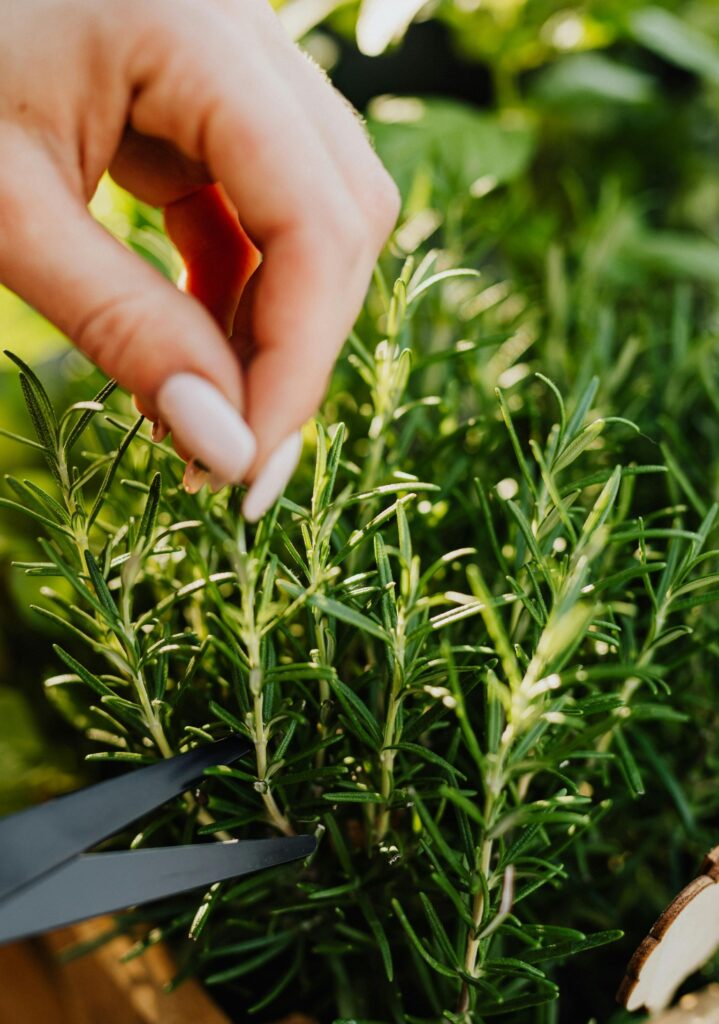
    Green plants are loved by chicken and can be used to lower feed costs.

    First, farmers can plant crops specifically for poultry.

    Common choices include maize, spinach, kales, and different grasses.

    Later, farmers either harvest the leaves or allow chickens to forage directly.

    However, layer chickens are usually kept indoors.Therefore, the farmer simply cuts the greens and carries them to the poultry house.

    Using Kitchen Food Remains

    Using Kitchen Food Remains
    Second, farmers can feed chickens vegetable leftovers from the kitchen.

    After all, most homes produce some food waste every day.

    Instead of throwing it away, farmers can give it to their chickens.


    However, this method has one weakness.

    Kitchen waste is not always reliable.

    For example, what happens when you eat out?

    What happens when you cook less food?

    Because of this, kitchen waste works best as an occasional supplement.

    Finally..

    These are the four main cheap poultry feed alternatives used by many farmers.

    Remember, listing them does not mean every farmer should use them.

    Each option has its own limitations.

    Therefore, you must evaluate what works best for your farm.
    Large layer farms usually prefer commercial feeds or professionally formulated feeds.

    Meanwhile, if you’re a small-scale farmer you can experiment carefully with these alternatives.

    If you want to see my personal recommendations for reducing feed costs, Read Here


    Finally, watch out for my next post.
    In that article, I will explain why I personally will not use any of these alternative feeds.


    See you next Friday!

    secretlayerske@gmail.com

    carlosdeche4040@gmail.com

  • 5 Powerful Solutions To High Animal Feed Costs In Kenya

    How do you reduce feed costs on your farm?

    It’s the million dollar question every poultry and livestock farmer in Kenya is asking right now.

    Finding solutions to high animal feed costs in Kenya is urgent for every poultry and livestock farmer.

    Feed prices often take up to 70% of production costs, leaving farmers struggling to stay profitable. The 2024 Competition Authority of Kenya (CAK) report shows maize, soybean, and sunflower products have risen by over 30% in just two years.

    Last week, I shared the 7 main reasons why animal feed costs are high in Kenya.

    If you missed it, you can read that article here and also check out the official CAK report.

    Today, I’ll share my 5 practical and industry-level recommendations for solving this problem for good. These are not the usual “grow your own azolla” or “use black soldier fly” tips. They are strategies that, if implemented, can make farming more profitable — especially for layers farmers, which is what Secret Layers specializes in.

    The first three ideas focus on reducing feed costs directly. The last two focus on increasing the price you can charge for your eggs, so even if feed prices stay high, you remain profitable.

    1. GO BIG

    Big(200m long 2 floor chicken house)
    Going big gives you an edge in sourcing and formulating feeds.

    Scaling up is one of the fastest ways to cut feed costs. Larger farms can negotiate better prices with suppliers because they buy in bulk.

    Hypothetical example:
    Imagine you have 5,000 layers. Instead of buying feed in 50 kg bags, you order a full truckload. Your supplier might offer you a 5–10% discount for the bigger order. That’s money saved before the feed even reaches your store.

    Farmer action: If expanding your flock is not realistic, join or form a cooperative. When multiple farmers buy together, they gain the same bulk-buying power as a large farm.

    Stakeholder action: Support cooperative models by offering bulk storage facilities, transport discounts, or collective purchasing agreements.

    2. FORMULATE YOUR OWN FEEDS

    Making your own feeds can lower your expenses because you are sourcing raw materials directly and avoiding retail markups. This is one of the most effective poultry feed cost solutions available to Kenyan farmers.

    What to consider before starting:

    Can you source maize, sunflower cake, or soybean meal at good prices?

    Do you understand feed formulation for layers so you meet nutritional needs?

    Hypothetical example:
    Let’s say you have 1,500 layers. You decide to mix your own layers mash using maize bran, sunflower cake, and premixes bought directly from a miller. This could cut your feed costs by around 15–20% compared to agrovet prices.

    Farmer action: Learn feed formulation from extension officers or trusted training providers. If the investment in mixers is too high, share equipment with other farmers.

    Stakeholder action: Offer accessible training and affordable leasing of feed-mixing equipment to farmer groups.

    3. PRODUCE OUR OWN FEED INPUTS

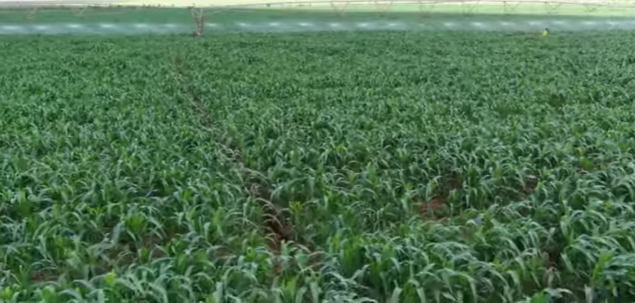
    We can reduce feeds prices by producing our own farm inputs.Like such maize production at Galana-Kulalu.
    Massive maize production at Galana-Kulalu in Kenya.We can do the same for sunflower, soya beans and have our own feeds inputs.

    Kenya imports a lot of maize, sunflower, and soybeans for feed manufacturing. While countries like Uganda or Zambia may have larger production areas, we can still increase our own supply.

    By producing these crops locally and processing them into sunflower cake or soybean meal, we reduce dependence on imports and stabilize prices.

    Hypothetical example:
    A group of 10 poultry farmers could partner with crop farmers to grow sunflower on 50 acres. The harvest could then be processed locally, giving them cheaper sunflower cake than the market price.

    Farmer action: Secure long-term contracts with maize, sunflower, or soybean growers in your region to guarantee feed input supply.

    Stakeholder action: Create incentives for local feed input production including subsidies, irrigation programs and assured market purchases.

    4. VALUE ADDITION

    We don’t have to keep selling eggs for less than Ksh 500 per tray. Through value addition, you can sell your eggs at much higher prices. Processing eggs into liquid, powdered, or specialty products for bakeries, pharmaceutical companies, and retailers allows you to charge more.

    Hypothetical example:
    If you partner with other farmers to invest in a small pasteurization unit, you could supply bakeries with liquid eggs at prices that translate to more than Ksh.1500 per tray in value.

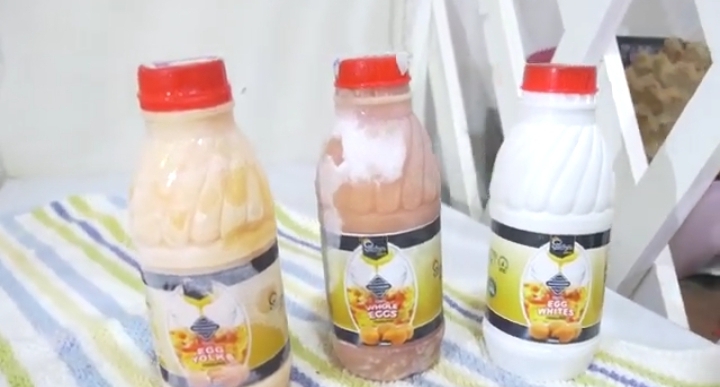
    Here’s Fridah Kaaria who processes liquid eggs in Central Kenya.

    Value addition of eggs - Pasteurized liquid eggs processed by Fridah Kaaria an entrepreneur in Kenya
    Pasteurized eggs processed by Fridah Kaaria an entrepreneur in Kenya.One 250ml bottle goes for Ksh.350(2021)


    Farmer action: Form groups to share the cost of processing equipment or supply your eggs to existing processors.

    Stakeholder action: Provide technical training for value-added egg production and help farmers access certified processing facilities.

    5. EXPORT OUR EGG PRODUCTS

    If Kenya can export coffee, tea, and miraa, we can also export eggs and processed egg products. Powdered and liquid eggs have long shelf lives and can be shipped regionally and internationally.

    Hypothetical example:
    A farmer cooperative could package powdered eggs and target markets in Rwanda, South Sudan, or even the Middle East. The cooperative could fetch premium prices if it meets export quality standards.

    Farmer action: Focus on producing clean, high-quality eggs and join export-ready farmer groups.

    Stakeholder action: Streamline export regulations for egg products and secure trade agreements with target countries.

    REALITY CHECK : THE ROAD AHEAD

    None of these solutions will happen instantly. Bulk buying requires capital. Feed formulation needs training. Exporting calls for regulatory support. But they are all achievable if farmers and stakeholders take coordinated steps. Even small actions today can lead to big changes in the industry.

    WHAT CAN YOU DO TODAY?

    Choose one or two strategies you can start working on now. Maybe that’s joining a buying cooperative, planting your own maize for feed, or exploring value addition opportunities.

    The goal is not just to make more money, but to build a stronger, more resilient poultry industry in Kenya.

    By applying these solutions to high animal feed costs in Kenya, we can create lasting change for farmers across the country.

    WAIT!

    Enter your details to grab a copy of my free guide and regular Layer Chicken Digest tips via email:

    “6 SIMPLE STEPS TO START A PROFITABLE LAYER POULTRY FARM”

    Free beginners guide to starting a profitable layer poultry farm. Step by step guide.
    Name
    Limited access. Join other serious farmers who have taken the guide and get support.

    See you next Friday!

    Carlos Deche

    secretlayerske@gmail.com

    carlosdeche4040@gmail.com