For what worth is your farm if you can’t protect it?
Why would you go through the struggle of building a farm yet provide no protection to your asset?
It’s like working hard to become a billionaire and never protecting your wealth, only for it to be stolen by thieves, greedy lawyers, and divorced wives.
Farm security is one of the less talked about aspects of running a farm. Maybe because it doesn’t directly translate to money in the owner’s pocket. Let me change that today.
The first rule of creating wealth is to never lose money. And the second? Refer to rule number one.
Even Warren Buffett himself — the greatest investor to ever live (2026) — says that as an investor, you first have to control your downside before maximizing your upside.
Imagine if a burglary happens on your farm and everything gets stolen or destroyed. What will you have lost? Not just the animals and property on the farm, but also future income.
It might be hard to see, but doing just small things to make sure your farm is safe can translate to saving you millions in prevented thefts.
Now, your farm needs protection against 2 things. One is animals. The second is people. And under people, we have thieves and employees.
Of the three, employees are the most common, the most expensive, and cause the most damage — but sadly, they are the ones farmers consider least. Most people only think of wild animals and night thieves. The worst thieves on a farm are the ones who steal during the day: your employees.
In this post, I’m going to give you the 7 ways in which you can ensure tight security on your farm.
You are working too hard for somebody to just steal your wealth.
1. Fence Your Farm And Put A Gate
The first thing is to have a physical barrier around your farm. This will help reduce trespassing, and having one entry point which is gated will allow you to control who comes in and gets out.
It works for people and animals as well — both wild and domestic.
The fence should offer real protection. Not some random poles or something somebody can jump over easily. Also make sure you maintain it. Thieves only need a small break to get in.
2. Security Guard And Employees
As part of your farm team, a security guard should be one of your employees.
This is not a must, especially if your farm is small. But if you have a big farm that requires surveillance, then a well-paid security guard will do the job.
Just make sure he is a trusted person, because security guards are usually the master planners of farm heists.
Now, I have talked a lot of bad about employees — but that is not how they always are. Not all of them. Most employees are loyal, faithful, and good business partners.
Train them, respect them, empower them, pay them well, and they will be your security without you paying for it directly or any extra.
Great employees are the best thing a farm owner can have. Work with them.
On the other hand, if you get a stealing worker, they will kill your farm. Do you know the saying: hire slow, fire fast? This is where you fire fast. In fact, immediately.
3. Security Animals
Farm security is mostly about protection against animals. But some animals can protect against other animals.
What better way to catch a thief than to use a thief? Same case here — use an animal to catch an animal.
The beauty of animals is that they also protect against people. These include:
Cats – which protect against rodents and snakes.
Dogs – man’s best friend – who protect against thieves. You get a pet and a protector. That’s why I like dogs.
Any other animal – I recall sharing this on the Secret Layers Facebook page and it was hilarious.
If you love crocodiles, use them. If you have a tiger, use it. It’s your farm and you can do whatever you want — just make sure you are licensed to keep these animals and that they don’t pose a danger to other people.
I wonder which thief will go and steal from a farm with crocodiles or a tiger. A real thief!
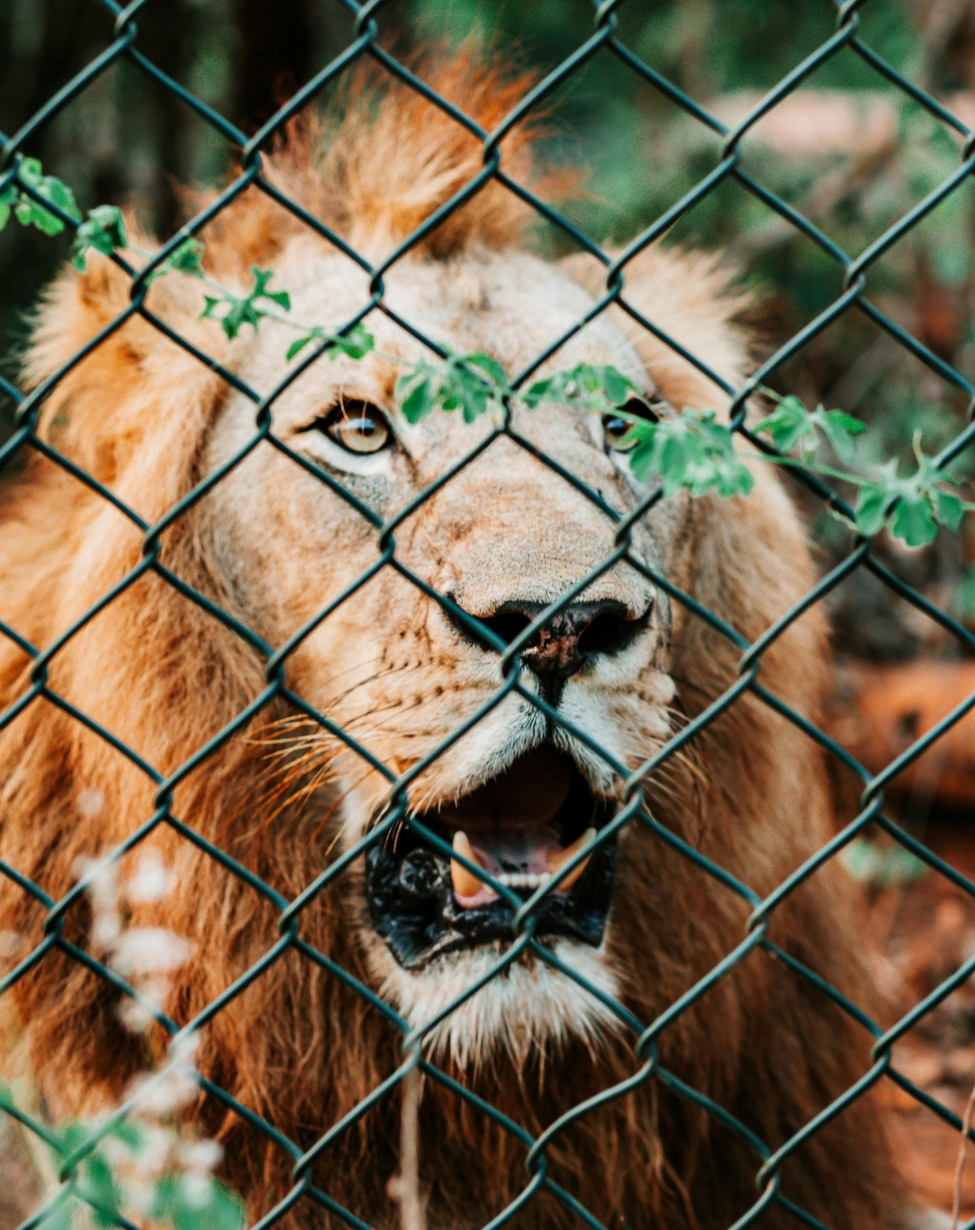
(Make sure you comply with the relevant regulations)
4. Install Security Lights On Your Farm
Security lights are one cheap and efficient way to keep intruders away.
Install them at strategic points around your farm and make sure they are bright enough to scare off thieves.
They also give you peace of mind knowing that your farm is well lit and safe.
5. Use Surveillance Cameras
If you have a small farm with the chicken house or cow shed close to your house, you probably don’t need cameras all over.
But if you have even a single employee, I strongly suggest getting at least one surveillance camera placed strategically in your chicken house and in your feed store.
These are the two most common places where employees can access and steal from the farm. Monitor these at your own frequency, but make sure your employees know they are being watched.
Also understand that with time, they will learn how to avoid the cameras and devise tactics to not get caught.
Stay on the lookout.
6. Maintain A Good Relationship With Your Neighbours
Start and maintain a good relationship with your neighbours.
This is one of the most valuable forms of farm security you can have.
Talk to them, engage with them, and they will automatically provide you with free security for years and years.
They will warn you of any danger and be there to help when things go wrong.
Neighbours are particularly useful when it comes to employee theft, because neighbours are often the customers of stolen farm products. But that’s only if you treat them well.
Otherwise, they help milk your farm dry through the cheap products they get from your disloyal employees.
7. Personal Competence
I put this last, but it is the most important.
The best and most reliable farm security is you. Yes, you.
Know what is going on on your farm — everything. Know the standard operating procedures. Know how to raise whatever it is you are farming. Know the prices of inputs and outputs on your farm. After all, it is your business.
When you know all this, nobody will dare steal from you. And if they do, you will know immediately.
That makes it easy to catch the thief, fire them, and hire another person. The rest will have a story to tell about how you have zero tolerance for theft.
These are the 7 ways you can protect your farm from leeches who want to reap where they did not sow.
If there is one thing I would put more emphasis on, it is Point 7 — your personal competence.
With that, no manager, no accountant, no worker will ever be able to steal from you and get away with it.
If you are reading this and you haven’t started your farm yet, check out this Free Layer Poultry Farming Guide I prepared to help you start and run a layer poultry farm profitably. Avoid the trial and error and get a clear plan to follow.
See you next Friday!