Most farms do not start because a farmer saw a problem in the market. They start because a farmer saw his neighbour with a farm.
That is FOMO — Fear Of Missing Out.
And it is quietly killing farms before they even have a chance.
The Story Of John And James
John and James were neighbours. Good neighbours. They did not talk every day, but they had never fought about anything either.
One Monday morning, John came home from work and noticed something strange. A group of contractors were busy in James’ backyard, building something big.
He wanted to ask James about it. But they had not spoken in over a week. It felt too intrusive to just walk over and ask.
So John waited.
Two weeks later, the structure was complete. It was a chicken house.
“Interesting”, John thought. “Let me see if he will make any money from this.”
James Starts To Grow
James brought in his first batch of chicks. Within three months, he was supplying chicken meat to the local market.
One afternoon, James knocked on John’s door and asked if he needed chicken meat. Out of friendship — and because he genuinely needed them — John said yes. He became one of James’s regular customers.
Weeks passed. James kept stocking new batches. His customer base grew steadily. People in the neighbourhood started calling him ‘The chicken guy’.
John watched all of this quietly. Inside, he felt uneasy.
The Decision That Changed Everything
John talked to his wife about it. They both agreed — James must be making serious money. Why else would people keep coming back? Why else would he keep expanding?
So they made a decision.
Husband and wife visited the hatchery in the nearby town. They ordered chicks and started building their own chicken house. They did not ask James for advice. That would have felt like trespassing on his business territory.
Three months later, their first batch matured. They started selling meat, just like James.
It was hard at first. But slowly, people started buying from them too. Some of James’s loyal customers even switched over. Business felt good.
When The Numbers Tell The Truth
At the end of the batch cycle, John and his wife sat down to count their money.
Something was off.
They called John’s sister, who worked as an accountant, to help them go through the numbers. She looked at the records carefully and then looked up at them.
“You have been making losses,” she said. “Your expenses are 15% higher than your revenues. Every month, you are losing money.”
John was heartbroken.
But then he asked the question he should have asked from the very beginning.
What about James? Is poultry farming profitable for him too?
The Truth About James
John finally walked over to James’s house and asked him directly. “How is the business really doing? Is poultry farming profitable on your end?”
James told him the truth.
The business was not profitable. James had one large hotel outside town that bought most of his eggs and meat in bulk. Whatever was left, he sold to neighbours and the village market. Even with all that, he was only breaking even.
He could not shut the farm down either. He had taken out a loan to start it. Every month, he farmed just to repay that loan.
It was a cycle. A vicious one. Farm. Break even. Repay loan. Repeat.
Not all that glitters is gold.
Why FOMO Farming Almost Always Fails
What you just read is not a unique story. It happens every single day across farms big and small.
People start farming not because they identified a market gap, did a feasibility study, or had a clear business plan. They start farming because someone they know appears to be making money.
A neighbour. A friend. A random farmer on social media posting about profits every week.
These people sell a dream. And the dream looks real because you can see the chicken house, the chicks, the customers coming and going. What you cannot see is the loan, the losses, the breaking even, the quiet stress behind the scenes.
Studies show that up to 70% of agricultural businesses fail in their first three years. Many of those failures trace back to one simple problem — the farmer started for the wrong reason.
FOMO is a wrong reason.
What FOMO Does To Your Thinking
When you see someone else farming and apparently making money, your brain starts running a story.
He must be making so much money.
His life must be so much easier now.
If I start now, I will make that money too.
If I wait, I will miss this opportunity.
That last thought is the dangerous one. You feel like the window is closing. Like you have to act right now or you will lose out forever.
But that is rarely true.
A farming opportunity that is real today will still be real in six months — after you have done proper research.
After you have spoken to actual farmers who show you real numbers.
After you have asked the hard question: Is poultry farming profitable in my specific market, at my specific scale, with my specific resources?
The Right Way To Start A Farm
Before you place a single chick order, here are some recommendations you should do.
1. Talk to a real farmer — and ask for the numbers.
Not the polished version. The real numbers. Revenue, expenses, loan repayments, labour costs, losses from sick birds, market price fluctuations.
If a farmer is not willing to show you that, their “success” story is not useful to you.
2. Study your local market first.
Who will buy your eggs or meat?
How many other farmers are already supplying that same market?
Is the market growing or shrinking?
Can it absorb one more supplier without everyone’s prices dropping?
3. Run a simple feasibility test.
Before spending a single shilling on construction, write down your projected costs and your realistic revenue. Not best-case revenue — realistic revenue.
If the numbers do not work on paper, they will not work in real life.
4. Start small and learn.
A 50-bird first batch teaches you more than any YouTube video. Starting small keeps your losses manageable while you figure out the market, the feeding, the disease management, and the sales cycle.
5. Have a clear customer before you start.
James had one hotel that bought in bulk. That one customer kept him alive — even if just barely.
Before you build a chicken house, find one person or business willing to commit to buying from you consistently.
There Is Always Another Bus Coming
There is a famous saying in investing: ‘There is always another bus coming’.
It means this — missing one opportunity does not mean you have missed everything. Another one is always on its way. The farmer who waits, researches, and starts with a clear plan will almost always outlast the farmer who jumped in because of FOMO.
So resist the urge. Control the impulse. Do not start a farm just because your neighbour has one and appears to be winning.
Ask the harder question first: Is poultry farming profitable for me, in my situation, right now?
If the honest answer is yes — go for it with everything you have.
If the answer is unclear — do more research before you spend a single coin.
The Bottom Line
John lost money. James was trapped in a loan cycle. Neither of them started with a real plan.
Both of them started because of how things looked from the outside.
Farming is a real business. It rewards preparation, market knowledge, and patience. It punishes impulse, emotion, and FOMO.
Before you order those chicks, before you break ground on that chicken house — make sure you are starting for the right reasons.
Your farm deserves better than FOMO.
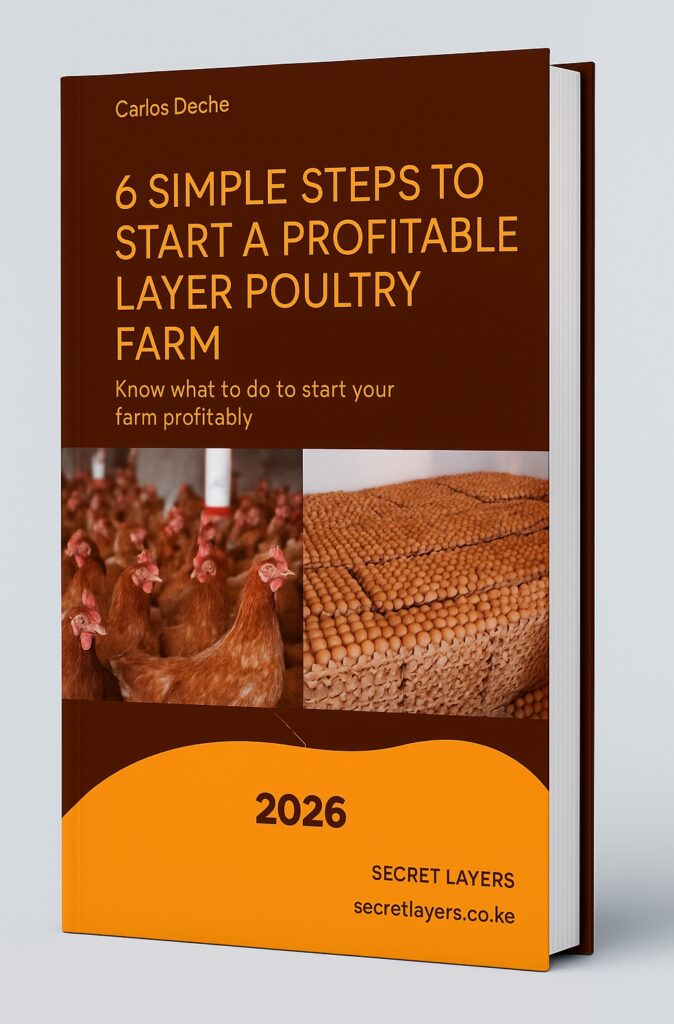
Thinking about starting a layer poultry farm?
Download my Free Guide and make sure you start your farm the right way.
See you next Friday!