Category: Feeds

  • 11 Proven Ways To Reduce Feed Wastage On Your Poultry Farm

    Feed is the monster every poultry farmer is afraid of. It is your biggest cost. And if you are wasting it, you are throwing money away every single day.

    The good news? You can stop it. These 11 simple tips will help you cut feed wastage on your farm and put that money back in your pocket β€” not in the feed company’s pocket.

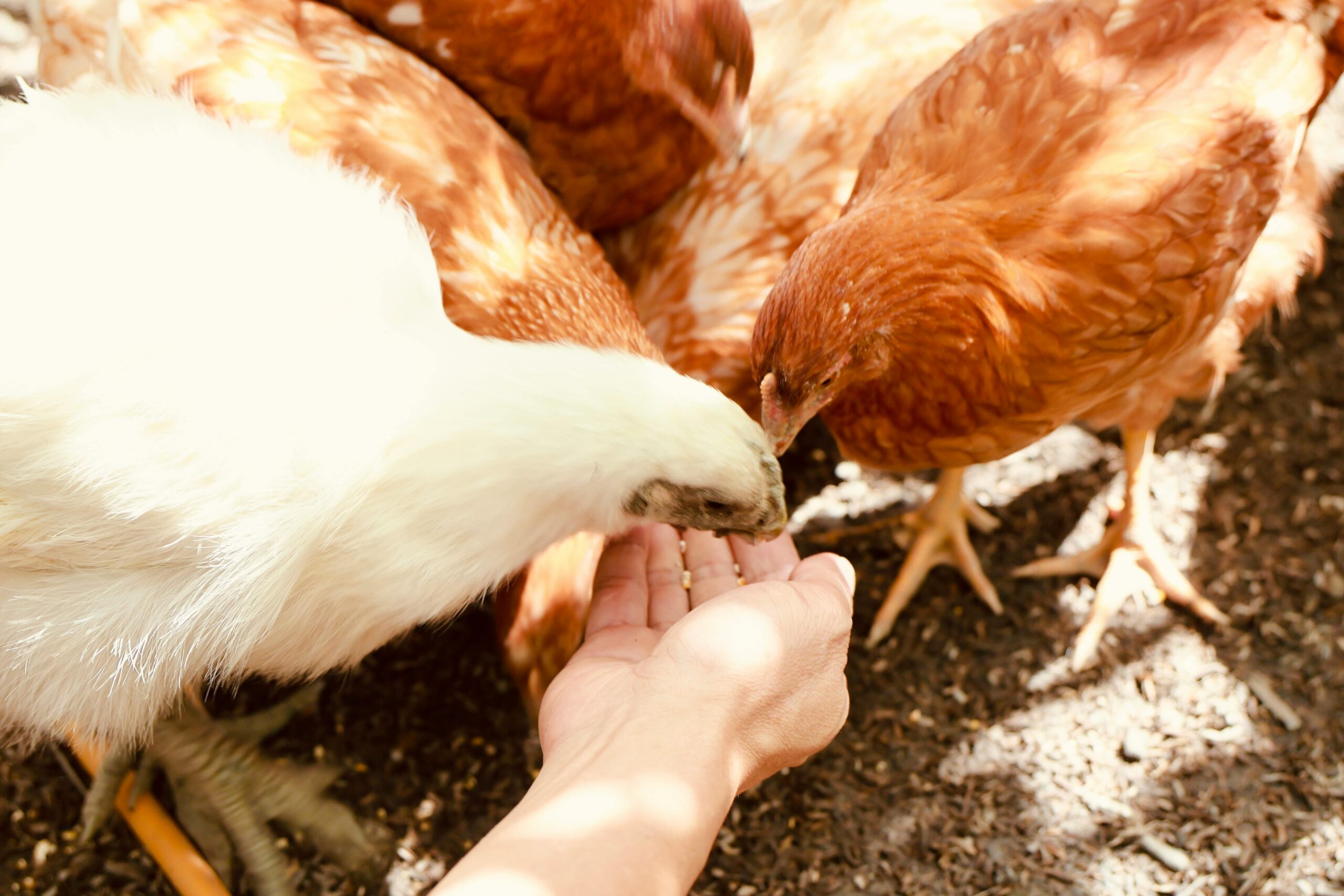
    Feeding chicken by hand.
    Feeding chicken on a farm.

    1. Raise Your Feeders To Chest Level

    Raise the feeders to the chest level of your chickens. When feeders are placed too low, chickens scratch and fluff the feed onto the ground. That feed is wasted. Raising the feeder stops this habit.

    2. Fill Feeders Only Halfway

    Never fill your feeders more than halfway. Too much feed in the feeder makes it easy for chickens to knock it out. Half full is enough. It limits the amount available and reduces spillage.

    3. Allow At Least 2 Hours Of Empty Feeder Per Day

    When feed is always in the feeder all day, chickens get bored with it. Once they are full, they start pecking at the feed and spitting it out on the ground. I have seen this even with local free-range chickens. Leave the feeder empty for at least 2 hours a day. This stops the ‘peck and spit’ habit and reduces wastage.

    4. Use Anti-Wastage Feeders

    Some feeders are built to stop wastage. Look for feeders with grills, anti-waste rims, or deep designs β€” not shallow ones. Yes, they cost a little more. But that small extra cost will save you hundreds, if not thousands, in wasted feed. Buy them. They are worth it.

    5. Give Controlled Feed Amounts

    Do not just pour feed freely. Give it in controlled amounts. Here is a simple plan that works well for layers: Give 40% of the total daily feed in the morning and 60% in the evening. Once the morning feed is finished, the chickens wait for the evening feed. No extra feed sitting around to waste.

    6. Use Good Quality Feed

    Feed quality is not just about nutrients or price. It is also about texture, form, and consistency. Chickens waste mash more than pellets. If pellets are too fine, they get wasted more than correctly sized ones. Also, if your feed has foreign material like wood chips, sticks, or grass in it, the birds will sort through it and spill most of it. Get clean, good quality feed in the right form.

    7. Have Enough Feeders In Your Chicken House

    Too few feeders cause competition. When chickens fight over feeders, feed gets knocked out and wasted. Make sure you have the right number of feeders for the size of your flock. Space them out evenly in the chicken house to avoid crowding.

    8. Use Feed Additives To Improve Palatability

    Did you know chickens have taste buds? They only have 250 to 350 compared to our 10,000, so taste matters less to them β€” but it still matters. Using feed additives improves the taste and smell of feed. This encourages chickens to eat more of it and waste less. Think about it: how much of your favourite food do you throw away compared to a meal you do not enjoy?

    9. Store Your Feed Well

    Poorly stored feed gets wasted before it even reaches the feeder. Pests, rodents, and birds can eat it or contaminate it. Contaminated feed is unpalatable to chickens β€” they simply will not eat it. Always store feed in a cool, dry place. Keep it sealed and protected from pests.

    10. Use Automated Feeders Of You Can

    Automated feeders control feeding times and amounts. This gives you control over when and how much your chickens eat. It also covers Tip 5 automatically. It does not have to be an expensive system. Remember DR. STARR? The first R stands for Resourcefulness. Find a way.

    11. Maintain And Replace Worn-Out Feeders

    A leaking feeder will waste feed even if you follow all 10 tips above perfectly. Check your feeders regularly. Maintain them well so they last long. Once a feeder is worn out and leaking, replace it.


    These are the 11 tips to reducing chicken feed wastage on your poultry farm. Like I said, feed is the monster every poultry farmer is afraid of.

    That is why I take great pleasure in showing you ways to cut your feed costs and get that money back into your pocket β€” not to the feed companies.

    Let me know in the comments which method you are using on your farm and how it is working. Or share any tip you have heard that works.

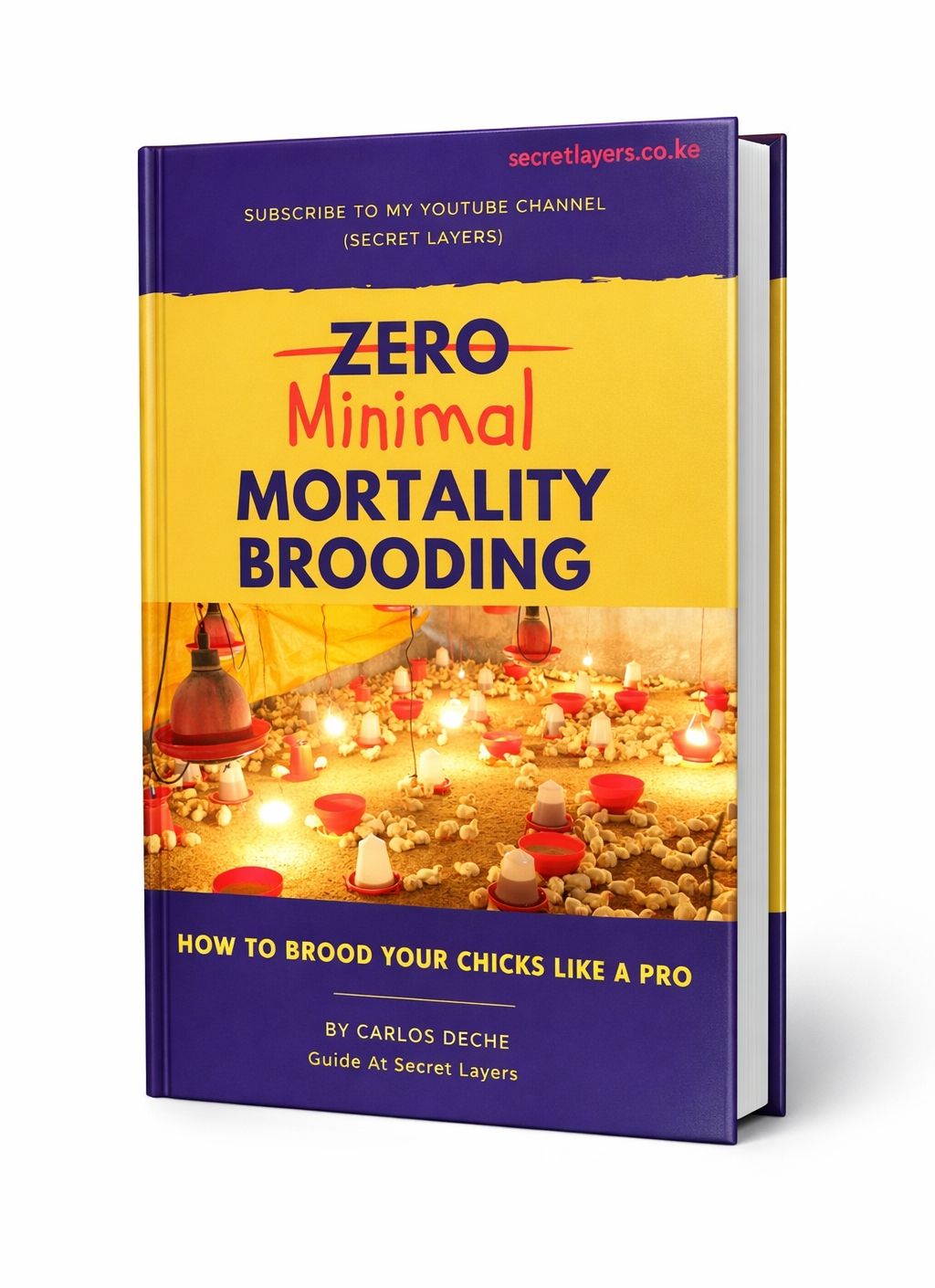
    Before you leave β€” if you are still struggling with brooding and losing chicks in the first month, get the Brooding Guide I prepared for you.
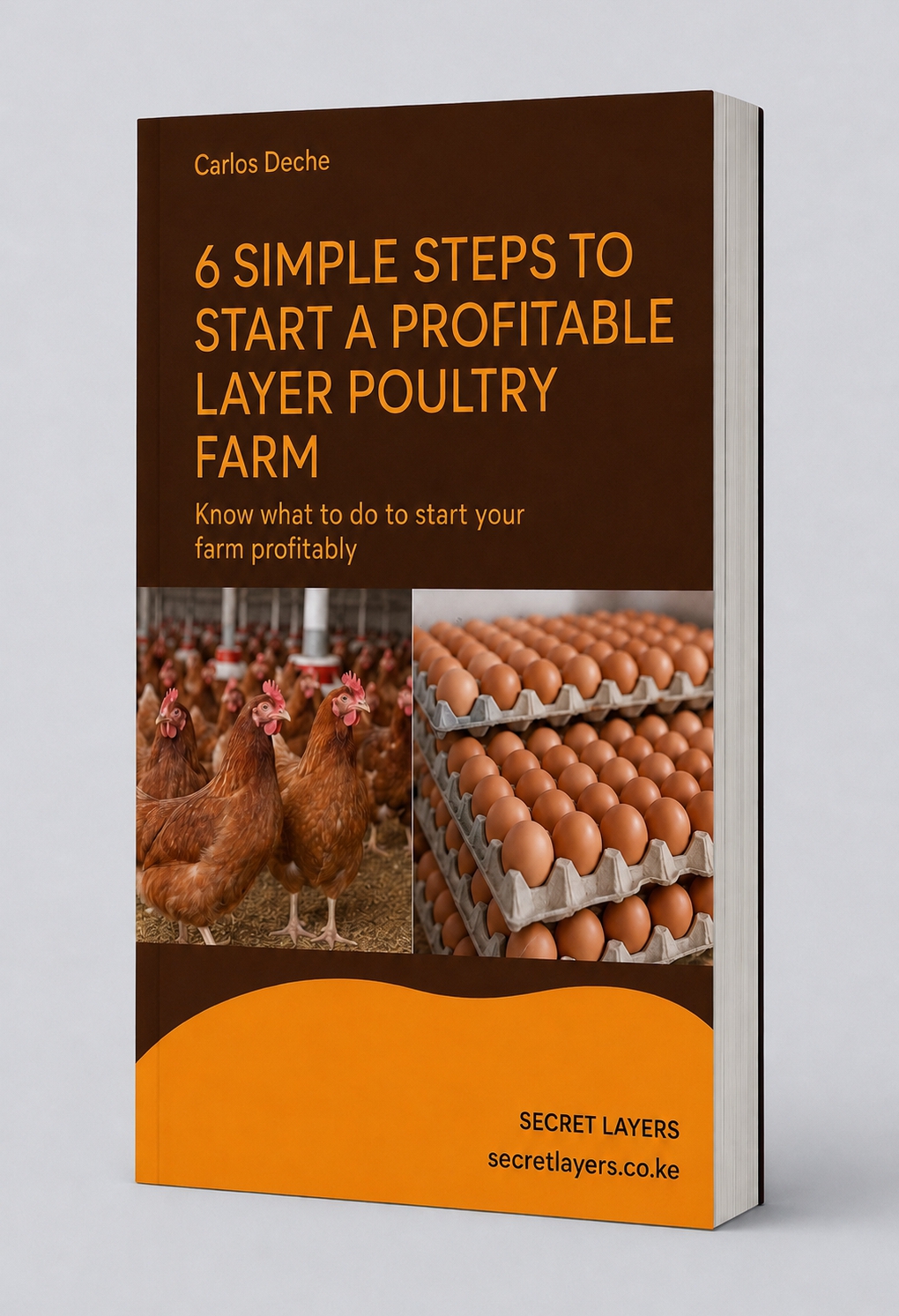
    Free beginners guide to starting a profitable layer poultry farm. Step by Step guide.
    Name
    Limited access. Join other serious farmers who have taken the guide and get support.

    See you next Friday!

  • 6 Tips For Feeding Your Chicken And Maximize Your Farm Profits (Layers)

    Many poultry farms are dying because of feed.
    Not disease. Not poor management. Feed.


    And here is the part that will shock you even more β€” many farms are never even started because of feed.

    The fear of high, unpredictable feed prices scares aspiring farmers away before they buy their first chick.


    Feed accounts for 60 to 70% of total expenses on a poultry farm. It is the single largest cost you will carry. So the fact that it is the number one farm killer? That makes sense.


    This is why layer chicken feeding deserves your full attention. If you buy day-old chicks, you will be feeding those birds for almost two years. Every mistake at the feeder costs you money.


    Here are six feed management tips to protect your farm, your birds, and your profits.

    1. Feeding Time and Frequency

    Feed your hens twice a day. Once in the morning. Once in the evening.


    This works for two reasons.

    First, it fits a working farmer’s schedule. You are home in the morning and home in the evening. No complicated mid-day trips to the farm.


    Second, it reduces boredom. Full crops mean calmer birds. Calmer birds means less cannibalism and fewer injuries.


    One more thingβ€” allow the feeders to go completely empty for about two hours each day.

    The best time is midday, during the hottest part of the day. This reduces heat stress, cuts feed wastage, and pushes your birds to eat more during cooler hours when they are comfortable and active.

    2. Feed Quantity

    Give your birds the right amount of feed for their age. Use the feeding schedule from your feed manufacturer or hatchery. Do not guess.


    Do not underfeed trying to cut costs. Underfeeding leads to lower egg production, smaller eggs, and generally sick birds. You will lose more money than you save.

    Feeding chicken by hand.
    Feeding chicken on a farm.


    Do not overfeed either. Obese layers produce fewer eggs. That is not a theory. That is biology.


    Here is a tip most farmers do not know: give 40% of the day’s feed in the morning and 60% in the evening.

    Why? Because calcium from feed is absorbed at night, when the hen is forming the eggshell.

    More feed in the evening means more calcium available when the bird needs it most. Better calcium absorption means stronger shells and better quality eggs.

    3. Feed Quality

    Cheap feed is expensive. Read that again.


    Poor quality feed means poor egg production. Often below break-even.

    Yet very expensive feed can also kill your profits from the other side.

    The goal with layer chicken feeding is to find the sweet spot β€” good production rate, fair price, healthy profit margin.


    Try different feeds when you are starting out. Record the production results for each one. Then make your own decision based on data, not a salesperson’s pitch.


    Feed companies are in business to make money. Sometimes that is at your expense.

    Choose feeds that work for your farm, not feeds with the most attractive packaging or loudest brand ambassador.

    4. Supplements

    Your layers need more than feed alone.


    Calcium tops the list, especially during the laying phase. Without enough calcium, shell quality drops and birds can develop bone problems.


    Add zinc, vitamins, and amino acids too. These support immunity, bone strength, and consistent egg production.

    If your current feed does not include them, supplement separately.


    Do not skip this step. Supplements are cheap compared to the cost of poor production or sick birds.

    5. Water

    You are right β€” water is not food.


    That is exactly why it is on this list.
    Water is the most important input on your layer farm. More important than feed.

    Here is proof: if you run out of feed for a day, you can open the coop and let the birds free range. Problem delayed.
    Run out of water? There is no workaround. They will die.


    Ensure your chickens have clean, fresh water available at all times. There is a rule that experienced farmers live by: if you can not drink it, do not give it to your birds.


    Replace water in drinkers daily. Do not let it sit. Still water grows bacteria. Bacteria causes disease. Disease destroys your flock.


    Clean water is the simplest thing you can do for your birds. No excuses.

    6. Feeder And Drinker Management

    Imagine I invited you for dinner. Your favorite meal, perfectly cooked. But I served it on a dirty, crusted plate.
    Would you eat it?


    Your layers will. They have no choice. But dirty feeders and drinkers are dangerous. Mold and harmful bacteria accumulate fast. Once your birds ingest them, disease follows.


    Clean your feeders and drinkers thoroughly once a week.

    Use clean water, soap, and disinfectant.

    Let them air-dry completely before use.

    And if a feeder is visibly dirty before the week is up, clean it. Common sense overrules the calendar.

    A few more tips for drinkers and feeders setup:

    Fill feeders only halfway. Birds that eat from overfilled feeders spill feed. That spilled feed is wasted money. Half-full feeders ration the portion and reduce waste.


    Raise feeders to neck level. Adjust as the birds grow. This reduces spillage and keeps litter out of the feed.


    Space feeders evenly. No bird should walk too far to reach food or water. Poor spacing triggers competition, stress, and energy loss β€” energy that should be going into egg production.


    Use enough feeders and drinkers. Not too few to cause crowding. Not too many to make cleaning a burden.


    Remember: biosecurity is your first vaccination. Clean equipment is part of biosecurity.

    ….


    Layer chicken feeding is not complicated. But it demands consistency, observation, and discipline.


    Get the timing right. Get the quantity right. Get the quality right. Keep the water clean. Keep the equipment clean. Add the supplements your birds need.


    Do those six things well and your layers will reward you with steady production, strong shells, and a profitable farm.

    If you’re struggling with brooding your day old chicks,

    I put together a Free Brooding Guide covering how to prepare for chick arrival, how to receive day-old chicks, and the 8 brooding principles every farmer needs to know.

    Grab your Free copy hereπŸ‘‡πŸΏ

    Free Brooding Guide For Poultry Farmers. Zero (Minimal) Mortality Brooding. How To Brood Your Chicks Like A Pro. By Carlos Deche Guide At Secret Layers
    Name
    Limited access. Join other serious farmers who have taken the guide and get support.


    See you next Friday!